
Rice · Rice · Reference page
Koshihikari
コシヒカリ · Pronunciation: /koh-shee-HEE-kah-ree/
Japan's best-known rice cultivar — a short-grain temperate japonica with low amylose, prized for its gloss, stickiness and gentle sweetness. Bred from a wartime cross, it has been the most widely planted rice in Japan since 1979.
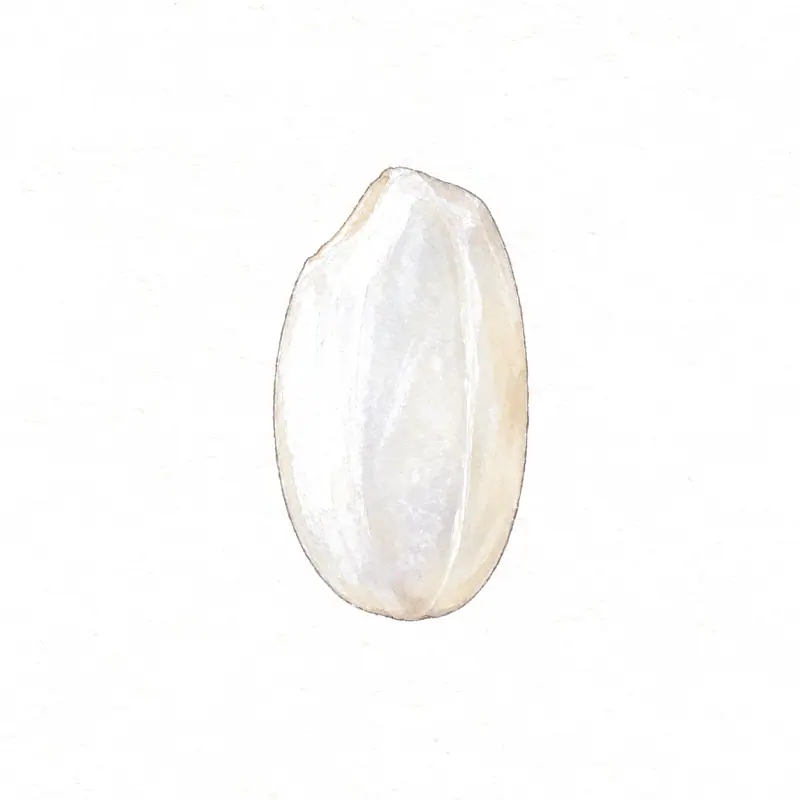
Born in wartime, named in peacetime
Koshihikari began as a cross made in 1944 at the Niigata Prefectural Agricultural Experiment Station between two older cultivars, Norin 22 (seed parent) and Norin 1. Wartime disruption interrupted the work; in 1948 twenty lines were sent to the Fukui Agricultural Experiment Station, where the line was selected and in 1953 named Etsunan 17. In 1956, when Niigata and Chiba prefectures adopted it, it was registered nationally as Norin 100 and named Koshihikari.
The name is usually explained as combining Koshi, the old name of the Hokuriku provinces along the Sea of Japan coast, with hikari, "light": roughly, "the light of Koshi". Breeders knew its faults — it grows tall, is prone to lodging (falling over before harvest) and is susceptible to rice blast — but its eating quality won over farmers and consumers. By 1979 it was the most widely planted rice cultivar in Japan, a position it has kept since (about a third of Japan's rice area in the 2010s), and it is a parent of many later Japanese cultivars, including Hitomebore, Hinohikari and Akitakomachi.
Why it is sticky — and why it is not glutinous
Rice starch is made of two molecules. Amylose is a long, mostly straight chain that lines up and re-hardens as cooked rice cools; amylopectin is heavily branched and makes cooked grains soft and sticky. Long-grain indica rices such as many basmati types tend to have intermediate-to-high amylose and cook up separate and firm. Koshihikari's amylose content is low — about 17 % (reported values range from roughly 16 to 20 %, depending on where and in which year it was grown) — so its grains are tender and cling together.
That is not the same as glutinous rice, whose starch is almost pure amylopectin. "Glutinous" refers to the glue-like texture; no rice contains gluten.
Rice with an address
Japanese consumers buy Koshihikari by place as well as by name. Rice from Uonuma, in the mountain valleys of Niigata, is sold at a premium and is regularly rated top grade (Toku-A) in the national taste ranking, and Koshihikari from other prefectures is branded by place in the same way. The parallel with wine appellations is real but partial: the cultivar is constant, while water, climate and farming practice vary.
Cooking it well
Washing milled rice before cooking is common practice across Asia. In Japan the rice is then usually cooked covered by absorption — in a rice cooker or a lidded pot, with just enough water to be taken up by the grains — rather than boiled in excess water and drained. Use the amount of water given on the pack or marked in the rice cooker.
Cooked rice should not sit for long at room temperature: spores of Bacillus cereus can survive cooking. Cool leftovers within an hour, keep them in the fridge for no more than a day, and reheat only once, until steaming hot all the way through.
How it connects
Place
- grown in Uonuma, Niigata In preparation
- origin Fukui In preparation
Rice
- similar Calrose
- related Glutinous (sticky) rice
- offspring of Hitomebore
- offspring of Hinohikari
- offspring of Akitakomachi
- similar Sasanishiki
- related Nanatsuboshi
- similar Yumepirika
- similar Tsuyahime
- offspring of Milky Queen
- related Kinuhikari
Wine region
- related Yamanashi
Recipe
Continue exploring
- CountryJapan26 entries in the atlas so far
- RecipeJapanese curry rice (Yokosuka navy curry)Yokosuka, Kanagawa, Japan
 RecipeKensan-yaki (miso-grilled rice balls)Niigata, Japan
- Wine regionYamanashiKofu, Japan
 RecipeIya sobaIya, Tokushima, Japan
 RiceAkitakomachiAkita, Japan
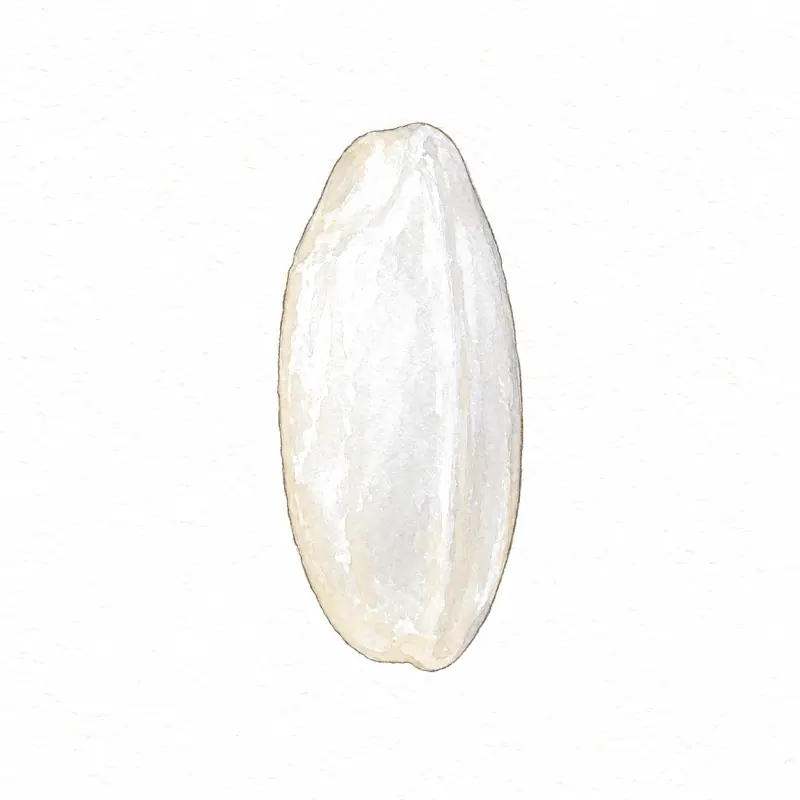 RiceCalrose
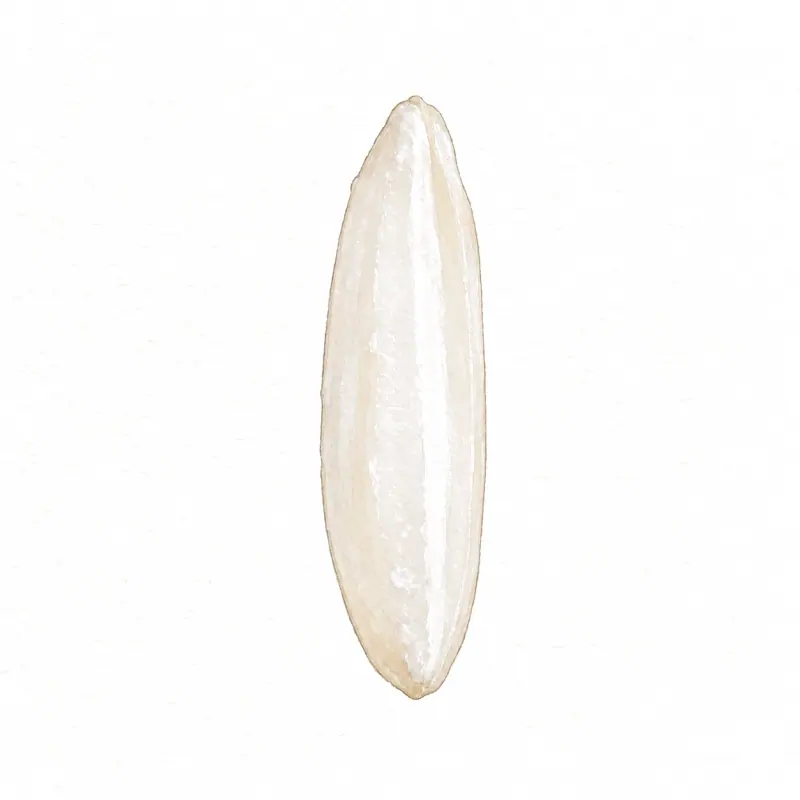 RiceGlutinous (sticky) rice
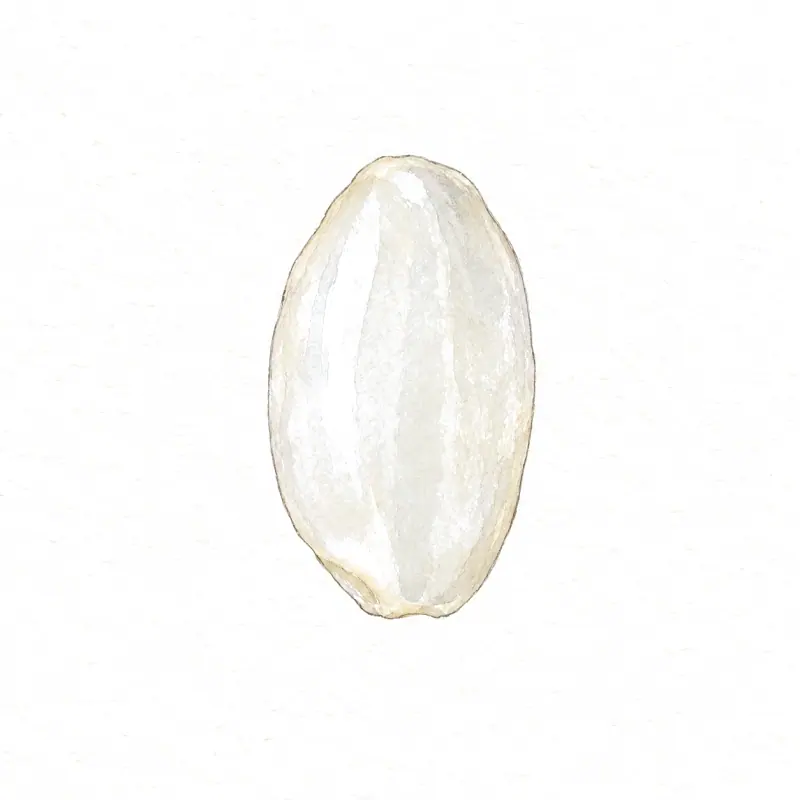 RiceHinohikariMiyazaki, Japan
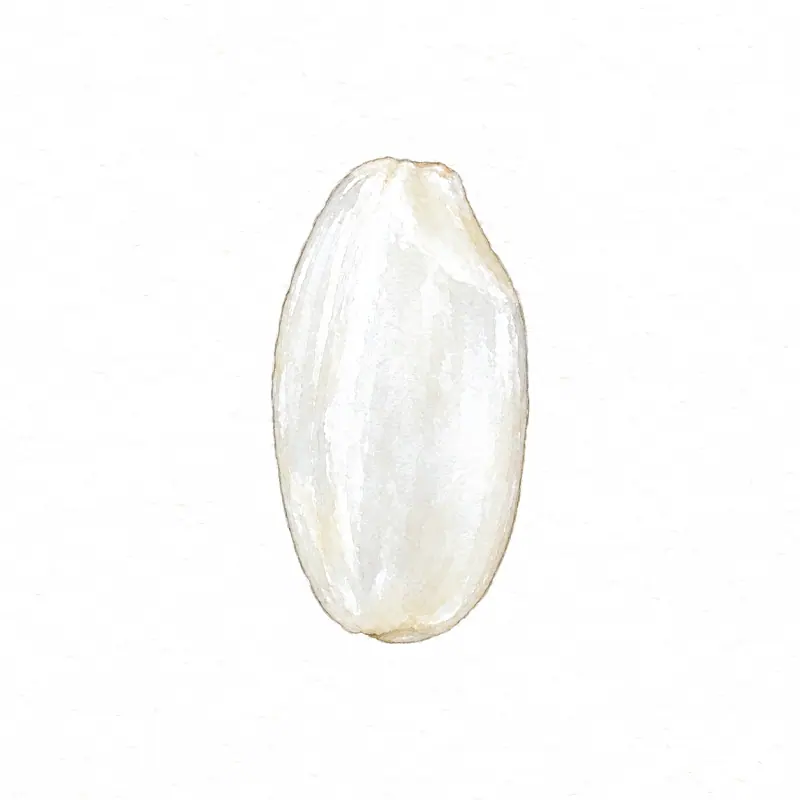 RiceHitomeboreŌsaki (Furukawa), Miyagi, Japan