
Rice · Rice · Short entry
Milky Queen
ミルキークイーン
A low-amylose mutant of Koshihikari, selected after chemical mutagenesis and registered in 1995. Its amylose (9.1–12.2 %) is about 60 % of Koshihikari's, giving a dull, milky grain and a soft, sticky cooked rice.
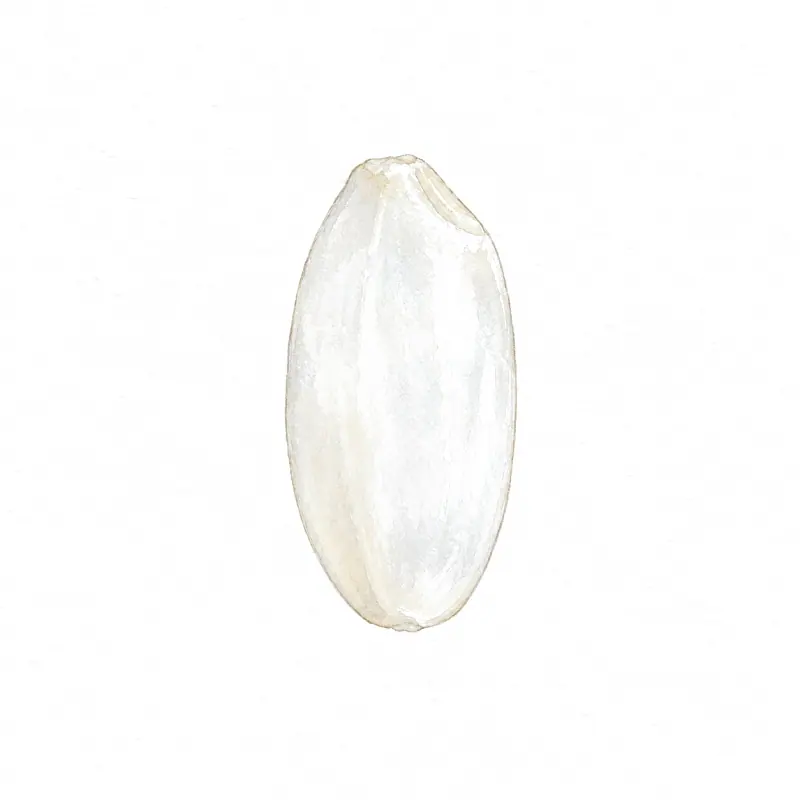
Koshihikari with less amylose
Breeders treated Koshihikari with the chemical mutagen N-methyl-N-nitrosourea and selected low-amylose plants from the progeny. A line from the seventh generation, Kanto 168, was tested with 45 prefectural stations from 1992 to 1994 and registered as Paddy Rice Norin 332, Milky Queen, in 1995.
Its amylose ranged from 9.1 to 12.2 % (mean 10.1 %), against a mean of 17.5 % for Koshihikari. The endosperm looks dull, between waxy glutinous rice and ordinary rice. In the field it behaves much like Koshihikari, including its weakness to lodging and blast; its brown-rice grains are slightly smaller (19.8 mg against 20.5 mg each).
How it connects
Rice
- offspring of Koshihikari
- related Glutinous (sticky) rice
Continue exploring
- CountryJapan26 entries in the atlas so far
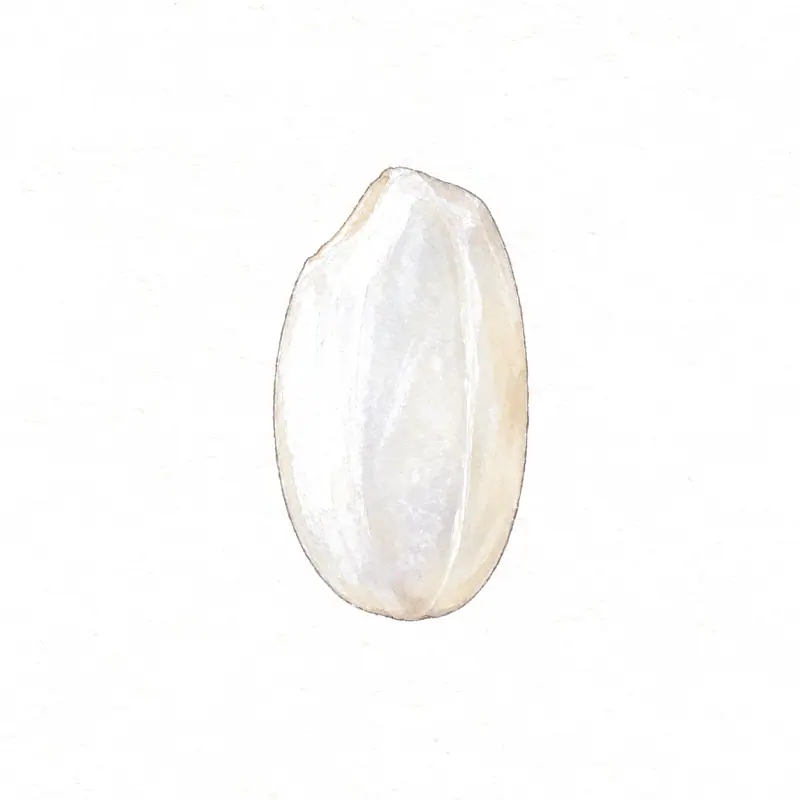 RiceKoshihikariUonuma, Niigata, Japan
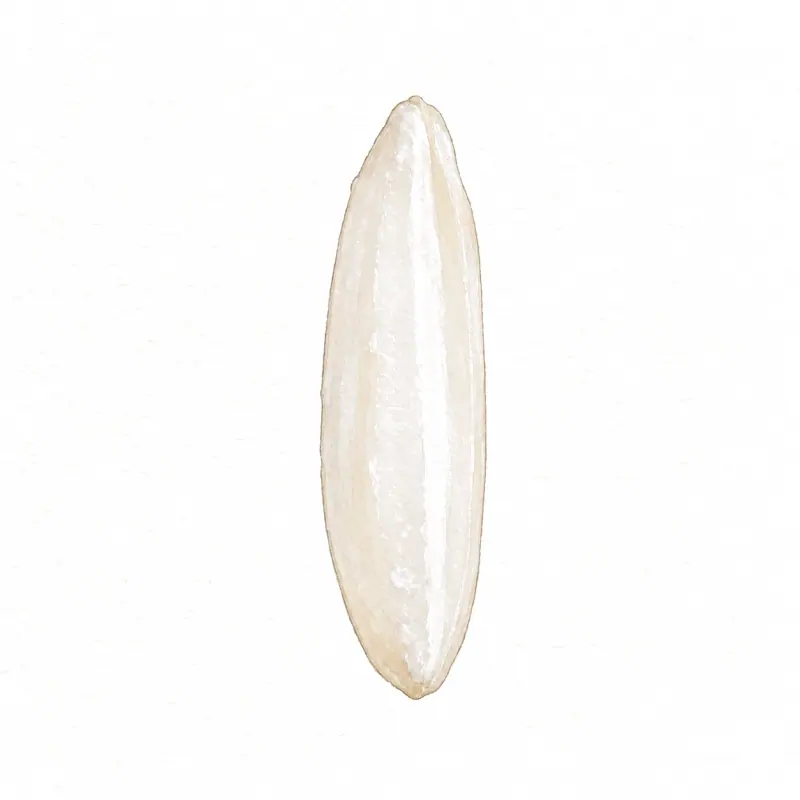 RiceGlutinous (sticky) rice
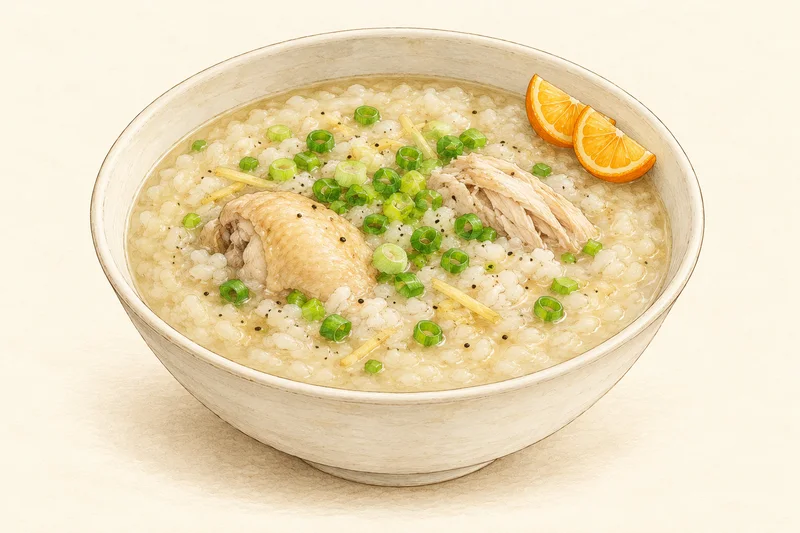 RecipeArroz caldoPhilippines
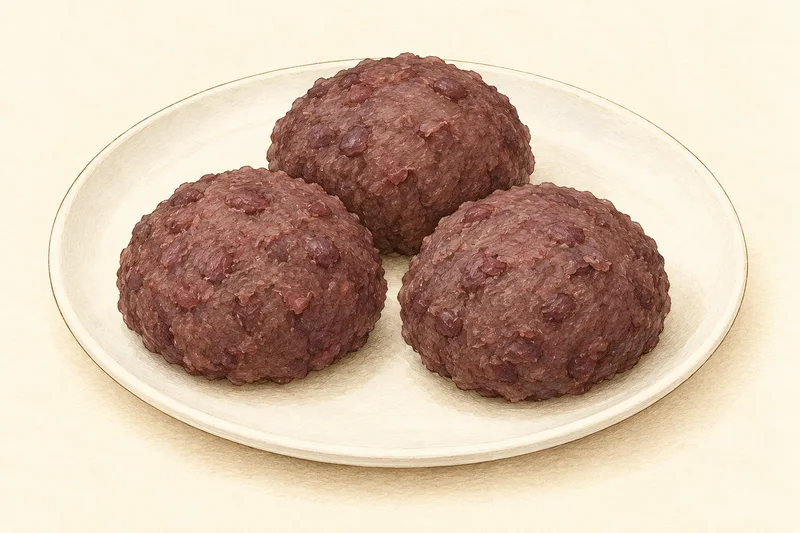 RecipeBotamochi (ohagi)Japan
- RecipeJapanese curry rice (Yokosuka navy curry)Yokosuka, Kanagawa, Japan
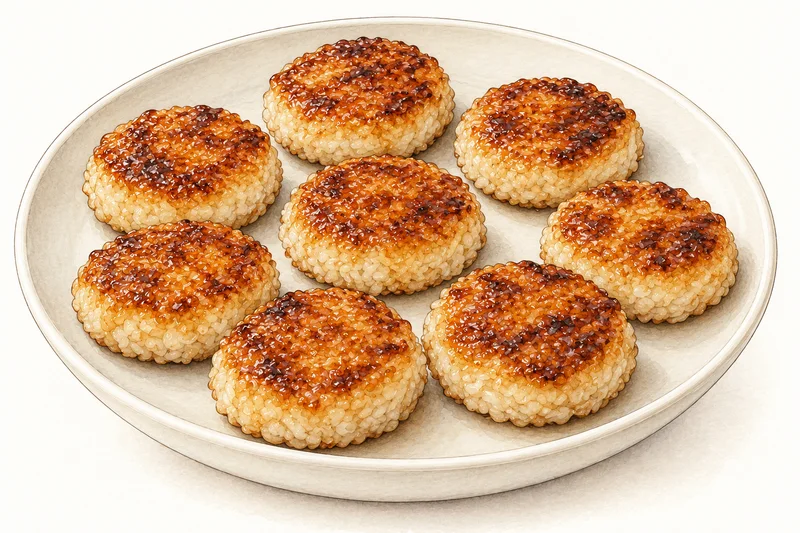 RecipeKensan-yaki (miso-grilled rice balls)Niigata, Japan
- Wine regionYamanashiKofu, Japan
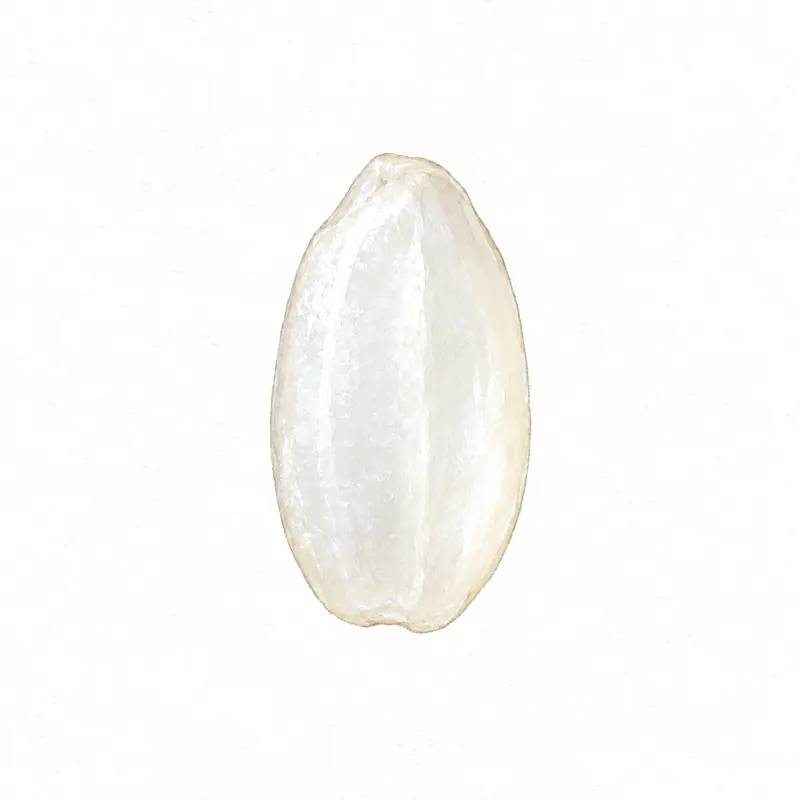 RiceAkitakomachiAkita, Japan
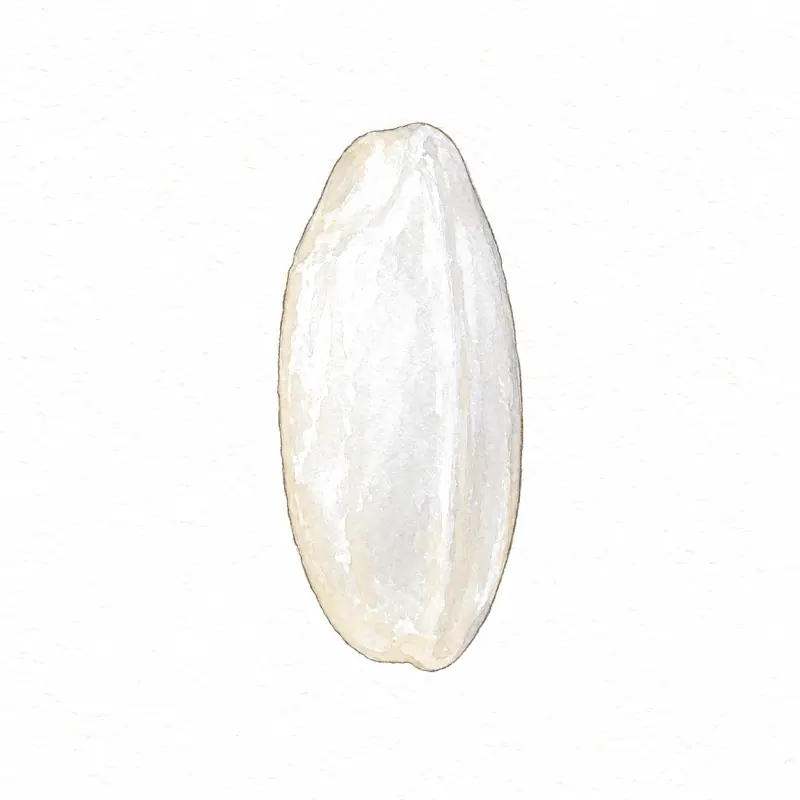 RiceCalrose