
Explore the world · Recipe · Japan · Reference page
Botamochi (ohagi)
牡丹餅(ぼたもち)・おはぎ
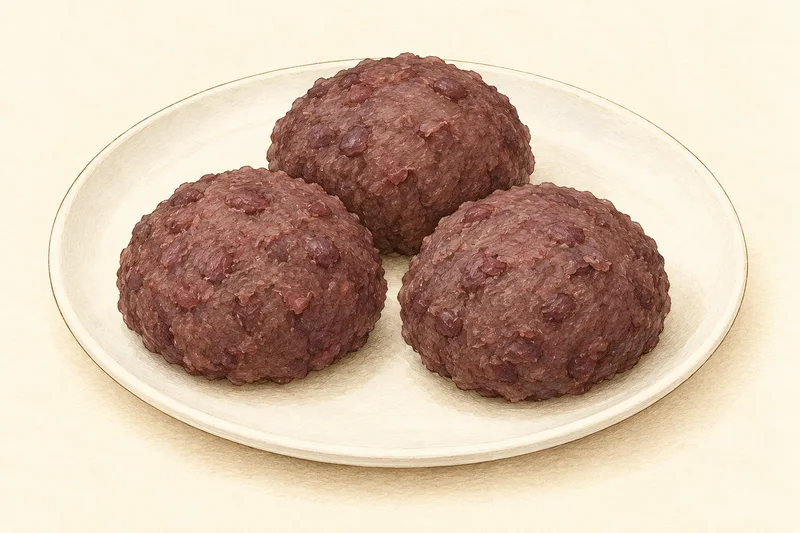
Japanese rice-cake sweets made for the spring and autumn equinox (higan): steamed glutinous rice, half-pounded so some grains stay whole, wrapped in sweet azuki bean paste. The recipe is the Tsuji Culinary Institute's, for 24.
- Servings
- 24
- Preparation
- 1 h
- Cooking
- 2 h 5
- Resting
- 2 h
- Total
- 5 h 5
- Difficulty
- Involved
Equipment
- Steamer with a mesh tray (or a cloth-lined steamer)
- Large bowl and wooden spatula; cling film
- Pot for the beans; sieve and a muslin cloth
- Tray to cool the bean paste
Ingredients
Rice
Tsubu-an (chunky bean paste)
Method
Soak the rice in water for at least 2 hours, then drain in a sieve.
Timer · 2 h120:00Steam for 50 minutes.
Timer · 50 min50:00Tip into a bowl, add the boiling water and mix quickly with a wooden spatula so it is absorbed evenly. Cover tightly with cling film and leave until the water has gone.
Why The steamed grains swell further and turn soft without being boiled to a paste.
Spread the rice evenly on the steamer tray and steam 15 minutes more. Leave to cool slightly.
Timer · 15 min15:00Lift out with the tray and work the rice until it turns a little sticky, with about half the grains still whole. With wet hands divide it into 25 g pieces.
Why Half-pounding is what separates botamochi from smooth mochi.
For the bean paste, pick over and rinse the azuki. Boil them in plenty of water over a high heat. When the beans float and the skins wrinkle, add cold water to stop the boil, then bring back to the boil; when the skins smooth out, drain and rinse.
Timer · 30 min30:00Cook the beans in fresh water until soft enough to crush easily between your fingers. Tip into a bowl of water, stir lightly, let the beans settle and pour off the water; repeat 2–3 times. Turn into a muslin and squeeze out the water.
Timer · 1 h60:00Return the beans to the pan with the sugar and a little water. Bring to the boil, stirring gently so the beans do not break, and reduce to a good firmness. Spread on a tray to cool.
Timer · 20 min20:00Weigh out 410 g of the bean paste in 30 g pieces. Flatten each, put a rice ball on it, wrap and roll. Round ones are botamochi; bale-shaped ones are ohagi.
Substitutions
- Home-made tsubu-an → Ready-made sweet azuki paste. MAFF describes botamochi wrapped in smooth koshi-an as well.
- Mochi rice alone → MAFF notes some households cook mochi rice mixed with ordinary (uruchi) rice.
Common mistakes
- Pounding the rice smooth: you get daifuku-style mochi, not botamochi.
- Dry hands when dividing: the rice sticks. Keep a bowl of water beside you.
Storage & reheating
Best the day they are made. Cover and keep at cool room temperature; in the fridge the rice hardens.
Allergens
None
Check labels: stock, bacon and sauces can contain further allergens.
Dietary
vegan · gluten-free
A sweet for the equinox
Japan's Ministry of Agriculture describes botamochi and ohagi as glutinous rice, steamed or cooked with ordinary rice, crushed until about half the grains remain, rounded and wrapped in bean paste. They are offered at higan, the week around each equinox, because the red of azuki beans was long believed to ward off misfortune and to honour the ancestors. The two names are linked to the season's flowers, the peony (botan) of spring and the bush clover (hagi) of autumn.
Usage differs. MAFF's article calls the coarse-paste version ohagi and the smooth-paste version botamochi; Tsuji's recipe uses coarse paste for both and separates them by shape, round for botamochi and bale-shaped for ohagi.
Steam, swell, half-pound
Tsuji soaks the rice for at least two hours and steams it twice, with boiling water worked in between, so the grains are soft right through before they are worked. The rice is pounded only until it starts to stick. The beans for the paste are 'shocked' with cold water during the first boil, cooked soft, washed and squeezed, then cooked down with slightly more than their weight in sugar.
How it connects
Wine region
- origin Japan
Rice
- made with Glutinous (sticky) rice
Continue exploring
- CountryJapan26 entries in the atlas so far
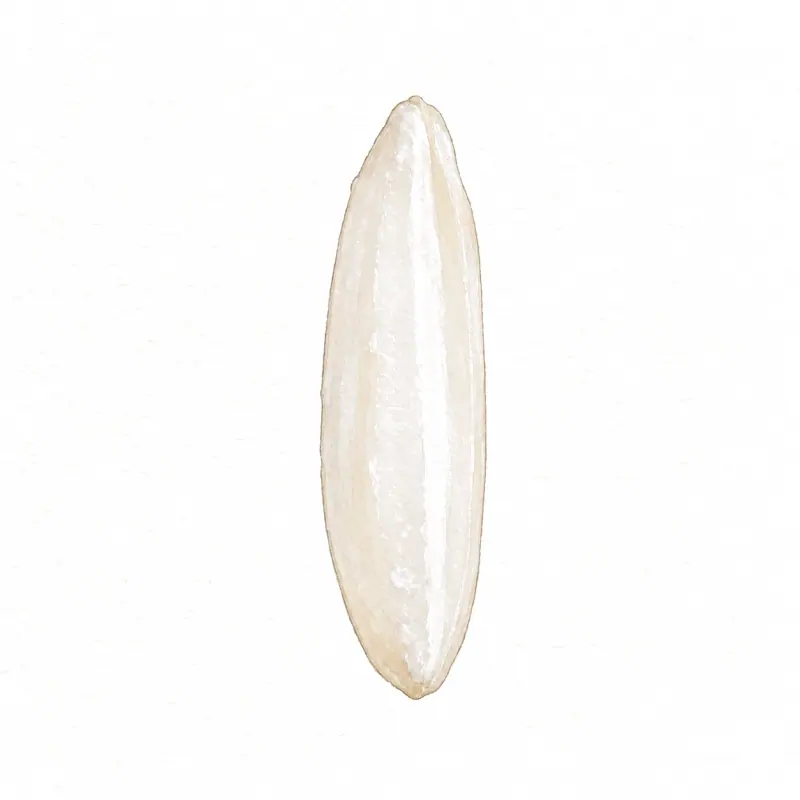 RiceGlutinous (sticky) rice
- Wine regionJapanJapan (national overview), Japan
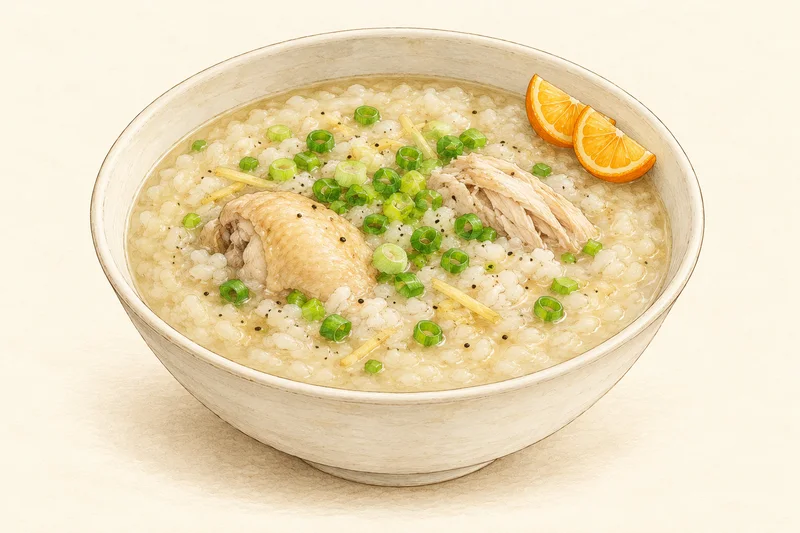 RecipeArroz caldoPhilippines
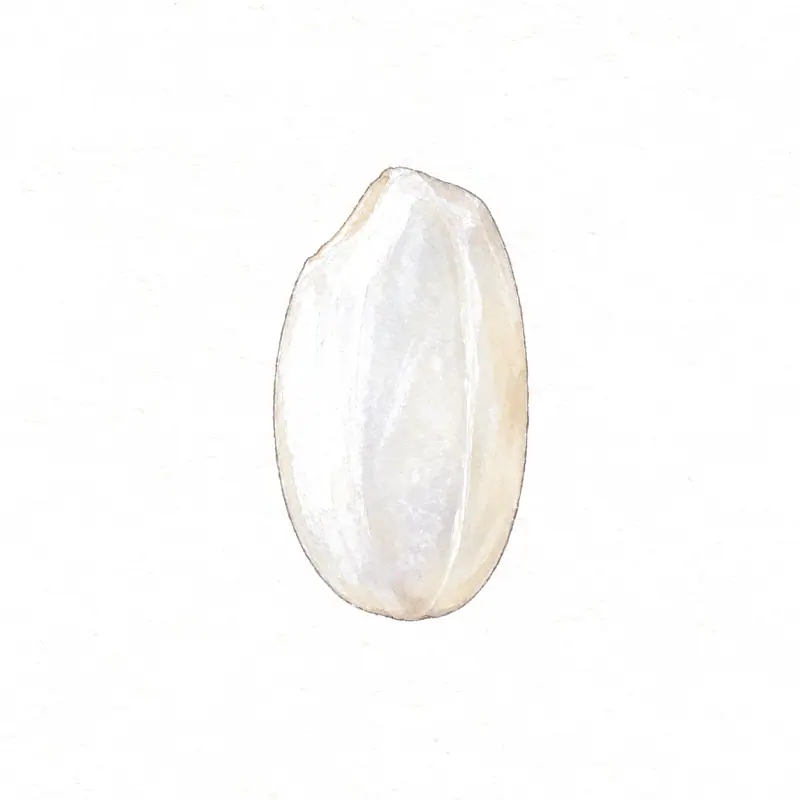 RiceKoshihikariUonuma, Niigata, Japan
 RecipeNasu dengakuJapan
 RecipeMackerel simmered in miso (saba no misoni)Japan
 RiceKhao Kai NoiXieng Khouang, Laos
 RiceMilky QueenTsukuba, Ibaraki (bred), Japan
 RiceRD6North-east Thailand (Isan), Thailand