Rice · Rice · Short entry
Yumepirika
ゆめぴりか
A low-amylose Hokkaido cultivar (16.1 %) bred at the Kamikawa Agricultural Experiment Station, completed in 2008 and launched in 2010. Its cooked rice is stickier than Koshihikari; the name draws on the Ainu word pirika, “beautiful”.
Grown to a number
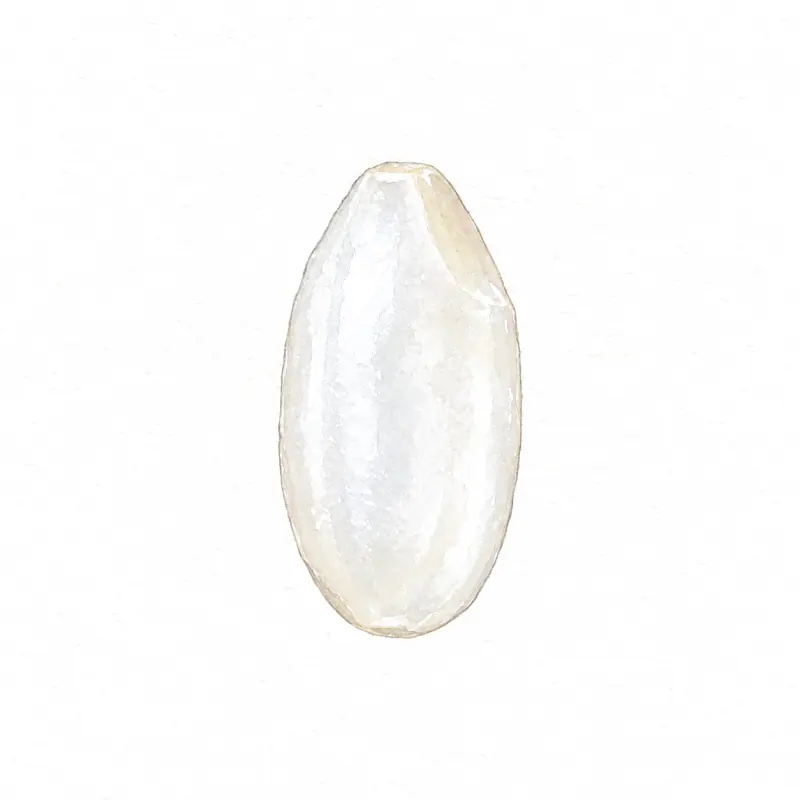
Development at the Kamikawa station began in 1997; the cultivar was completed in 2008 and went on sale in 2010. Its appeal rests on low amylose — published at 16.1 %, against about 17.5 % for Koshihikari — together with low protein.
Because amylose depends on temperatures in the weeks after heading, the Hokkaido Research Organization set brand targets for growers: amylose below 19 % and protein below 7.5 %, with a latest transplanting date for each district so that the crop ripens warm enough to meet them. Yumepirika earned the Toku-A taste rating from the 2011 crop onward.
How it connects
Rice
- similar Koshihikari
Continue exploring
- CountryJapan26 entries in the atlas so far
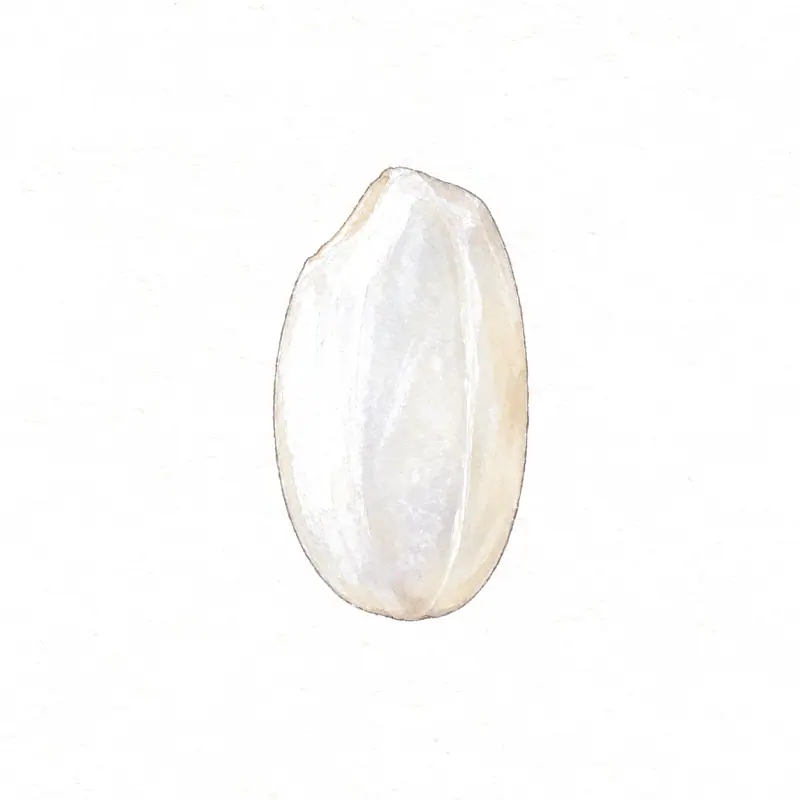 RiceKoshihikariUonuma, Niigata, Japan
- RecipeJapanese curry rice (Yokosuka navy curry)Yokosuka, Kanagawa, Japan
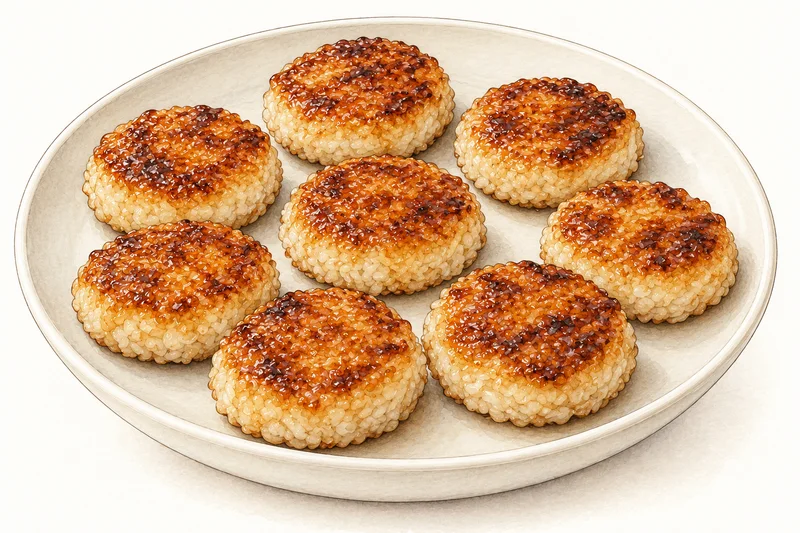 RecipeKensan-yaki (miso-grilled rice balls)Niigata, Japan
- Wine regionYamanashiKofu, Japan
 RiceAkitakomachiAkita, Japan
 RiceCalrose
 RiceGlutinous (sticky) rice
 RiceHinohikariMiyazaki, Japan
 RiceHitomeboreŌsaki (Furukawa), Miyagi, Japan