Rice · Rice · Short entry
Tinawon
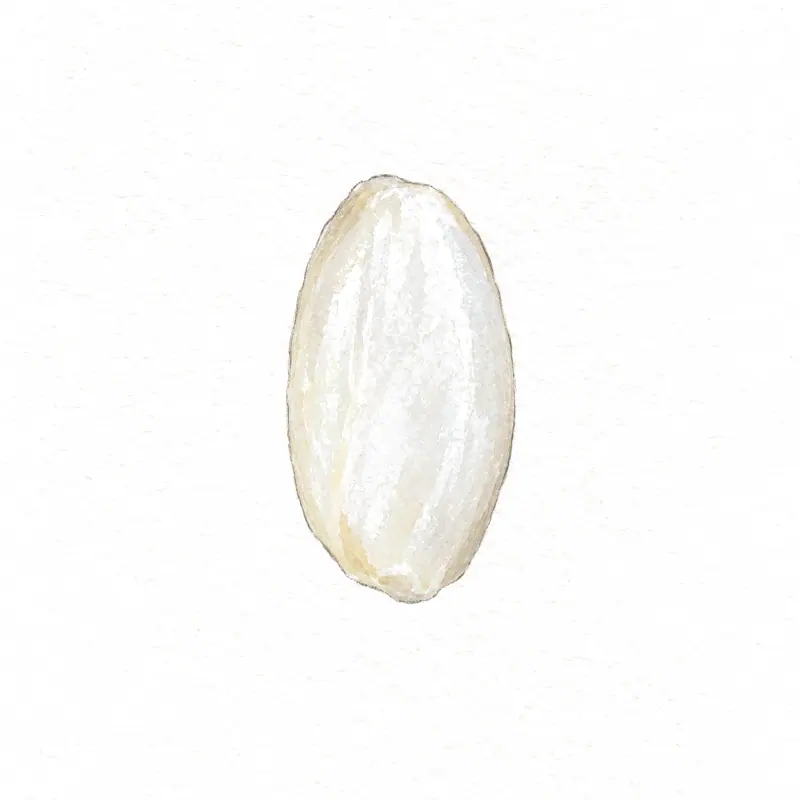
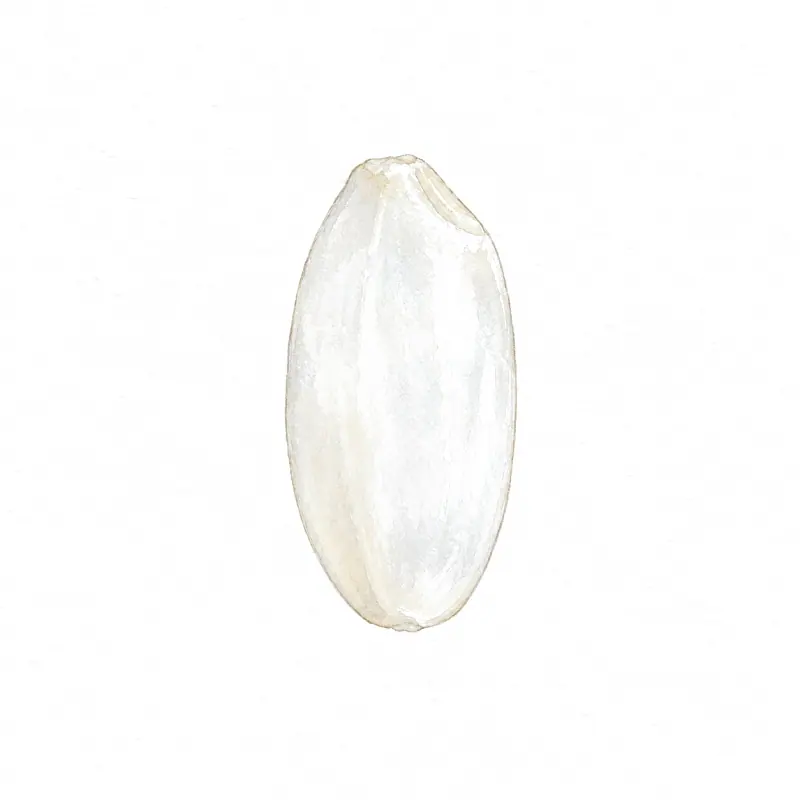
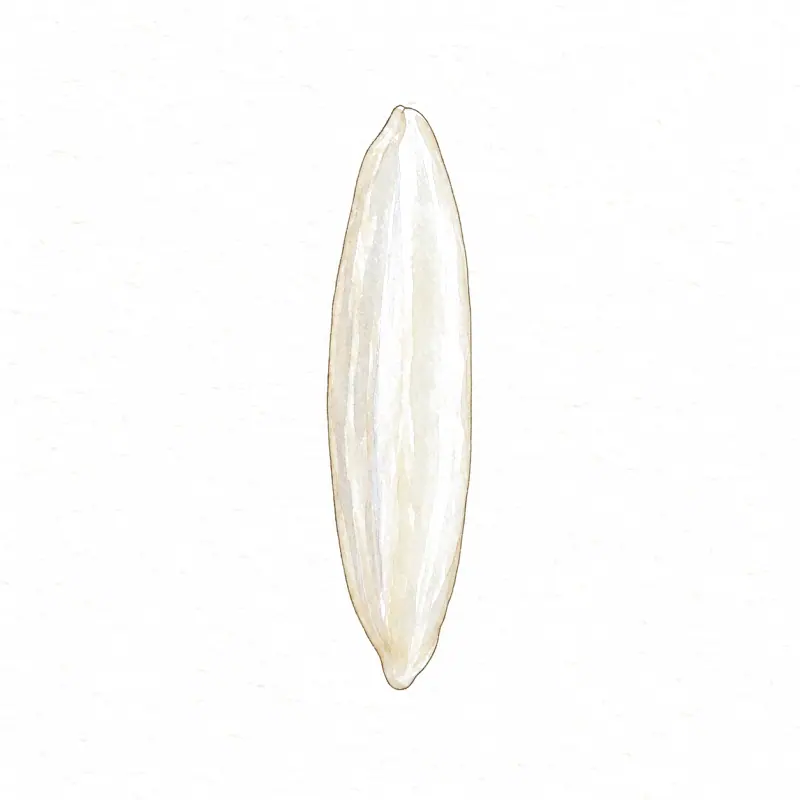
The traditional long-season rices of the Ifugao terraces in the Philippine Cordillera. The Ifugao word means planted or harvested once a year. Tinawon covers several local landraces rather than one variety; some are glutinous. They are marketed as heirloom rice with support from the Heirloom Rice Project of PhilRice, the Department of Agriculture and IRRI.
Once a year on the terraces
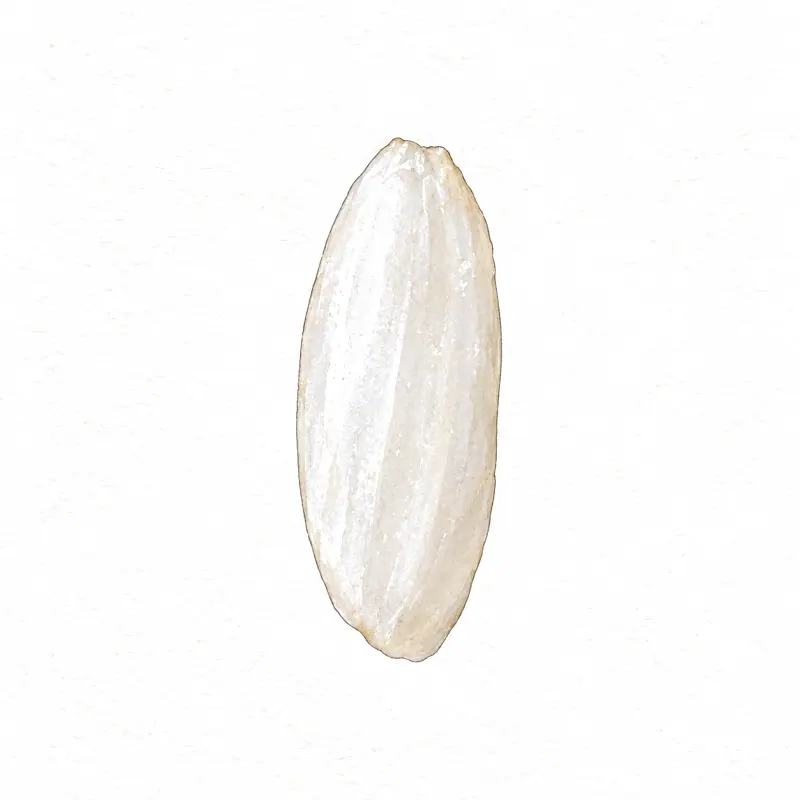
Tinawon rices take six to seven months to mature and are grown once a year. After the harvest the terraces lie fallow or carry beans, taro and other crops that restore the soil. Modern short-season varieties allow two crops, and because Tinawon gives only one, many farmers have turned to cash crops and some terraces have been abandoned.
The rice cycle is bound up with Ifugao ritual: offerings are made at every stage, from sowing seed chosen by elderly women to harvest. An Ifugao tale tells that the god Liddum gave the brothers Wigan and Kabigat the rice of the Skyworld in exchange for fire. A 2023 Department of Agriculture study counted 146 surviving and 50 extinct rice landraces in Ifugao.
Heirloom rice
The Heirloom Rice Project, run by PhilRice, the Department of Agriculture in the Cordillera, state universities and IRRI, works with growers such as the Rice Terraces Farmers Cooperative to raise yields and sell the rice at a premium. Glover and Stone describe "heirloom rice" as a boundary concept that lets social entrepreneurs market traditional landraces that were not grown for sale.
How it connects
Rice
- related Glutinous (sticky) rice