
Potatoes · Recipe · Dauphiné · Reference page
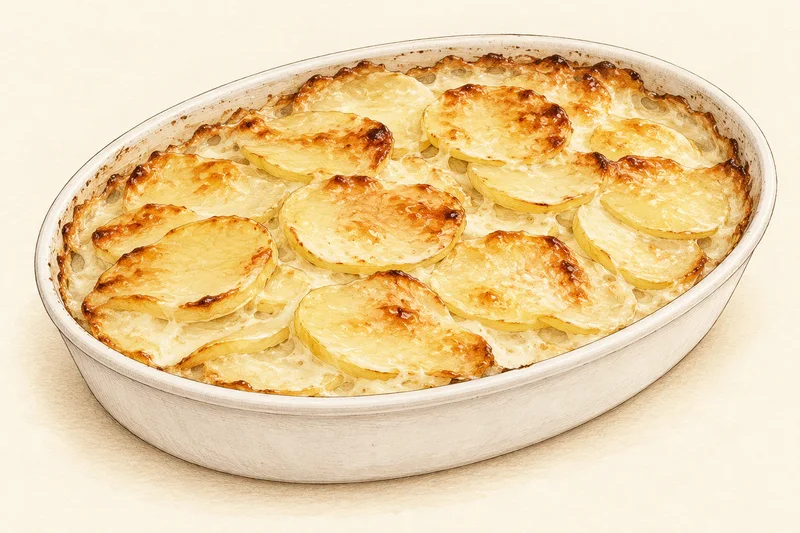
Gratin dauphinois
Thin slices of potato baked slowly in milk and cream in a dish rubbed with garlic and butter, until soft inside and golden on top. In the Dauphiné, cooks say eggs and cheese are forbidden. Quantities follow Jeroen Meus's recipe, without its cheese topping.
- Servings
- 4
- Preparation
- 30 min
- Cooking
- 1 h
- Total
- 1 h 30
- Difficulty
- Easy
Equipment
- Mandoline or sharp knife
- Ovenproof gratin dish (earthenware is traditional)
- Saucepan and sieve
Ingredients
Method
Heat the milk and cream gently with the crushed garlic, rosemary, bay and thyme, seasoned with pepper, salt and nutmeg. Let it get hot but not boil, so the herbs flavour it.
Why Infusing in hot milk avoids cutting raw garlic into the dish, and starting with hot liquid shortens the baking.
Heat the oven to 160 °C. Rub the dish with the cut garlic and brush it with melted butter.
Lay the potato slices in overlapping layers, like roof tiles, until the dish is two-thirds full.
Strain the hot milk and cream over the potatoes until they are just covered, with the top slices barely showing.
Bake for 30 minutes to an hour, until a knife slides through the slices easily and the top is golden. If the potatoes absorb all the liquid, add a little more milk or cream.
Why A moderate oven keeps the cream from splitting and lets the potato starch thicken it. Too hot, and the top burns before the slices beneath are cooked.
Timer · 45 min45:00
To drink & serve with
Editorial suggestion: a side for roast lamb, veal or a green salad.
Substitutions
- Milk and cream → All crème fraîche, as in the Vercors 'true' gratin quoted by Lyon Capitale.
- No cheese → Meus adds 150 g grated Emmental on top; Escoffier added Gruyère and an egg. Both are outside the Dauphiné tradition.
Common mistakes
- Rinsing the slices: you wash off the starch that thickens the cream.
- Adding eggs: they curdle into lumps, wrote René Fonvieille.
- An oven that is too hot: the cream splits and the top burns.
Storage & reheating
Best fresh. Leftovers: refrigerate within 2 hours, eat within 2 days, reheat until steaming hot.
Safety
Contains milk.
Allergens
Milk
Check labels: stock, bacon and sauces can contain further allergens.
Dietary
vegetarian · gluten-free
Cheese or no cheese
The earliest archival mention of a gratin on a Dauphiné banquet menu, as Lyon Capitale reports, is a dinner on 12 July 1788 for the municipal officers of Gap, given in Grenoble by the province's military commander. The menu says "un gratin", not "gratin dauphinois", and how much older the peasant dish is cannot be shown.
What goes into it is argued even more. Escoffier's 1903 Gratin de pommes de terre à la Dauphinoise adds an egg and 125 g of Gruyère to the milk. Lyon Capitale's 2013 article gathers the Dauphiné's answer: René Fonvieille's rule of no eggs and no cheese, and the view that the gratin of the Quatre Montagnes in the Vercors contains only potatoes and crème fraîche in a garlic-rubbed, buttered dish. A local cook puts it bluntly: whoever adds cheese is making a Savoyard dish.
Starch does the thickening
Unrinsed slices release starch into the hot milk and cream, which thickens as it bakes. Jeroen Meus heats the liquid first with garlic, rosemary, bay and thyme and strains it over the potatoes, then bakes at a moderate 160 °C. Fonvieille brings the dish to the boil in a hot oven and then lowers it for three-quarters of an hour to an hour, topping up with milk if the potatoes drink it all.
How it connects
Place
- origin Dauphiné In preparation
Potato
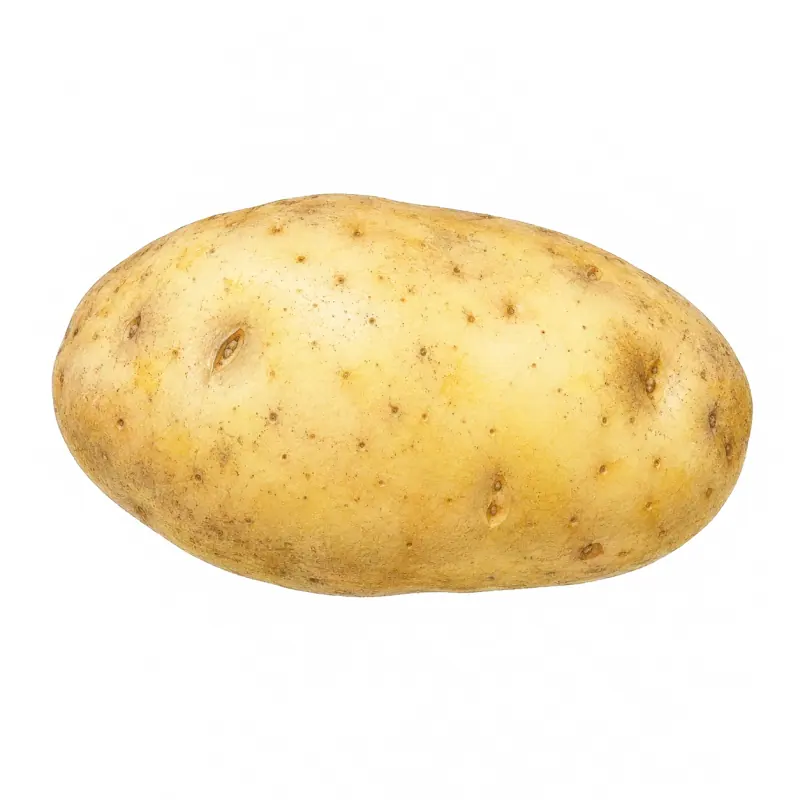
- made with Bintje
Recipe
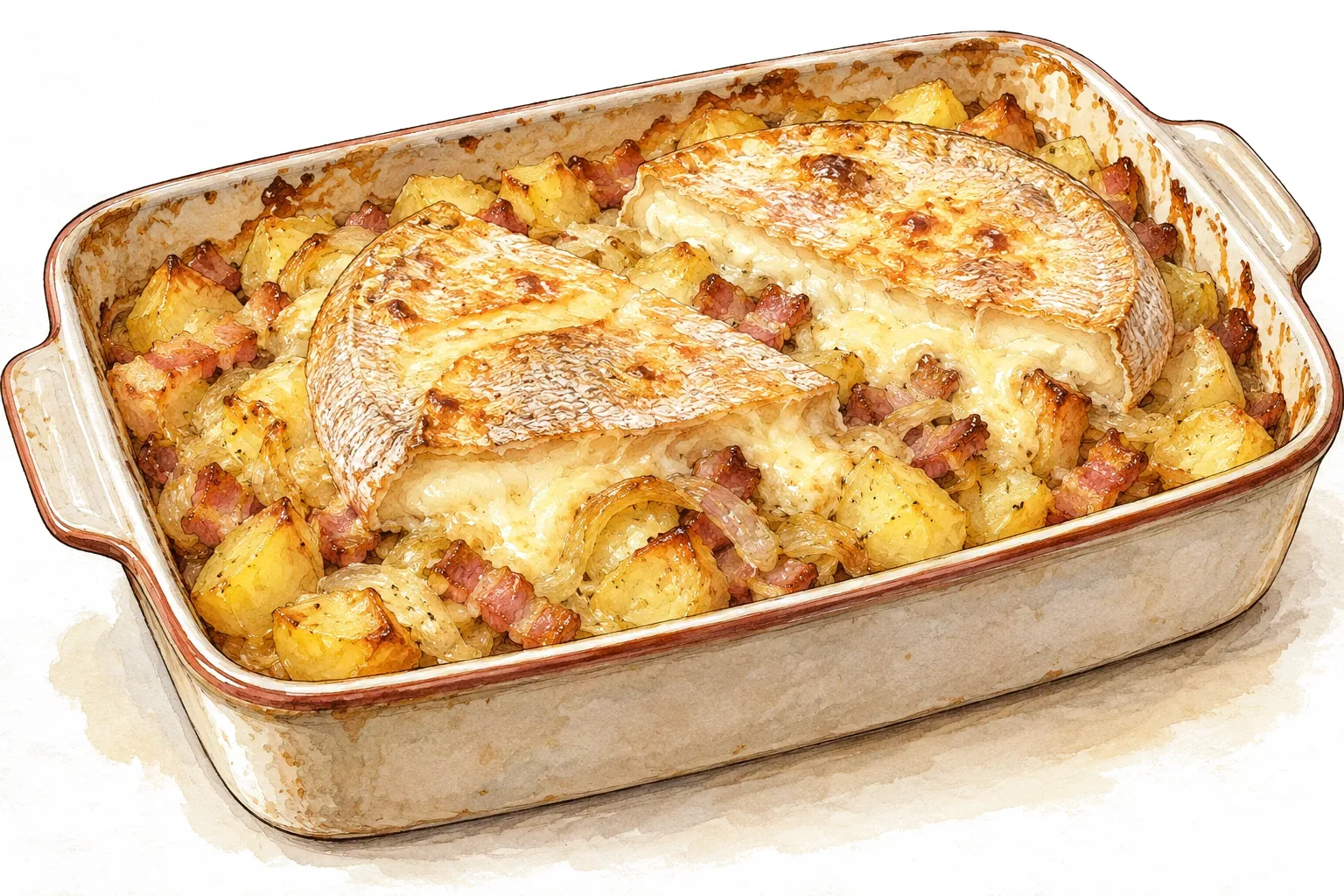
- similar Tartiflette
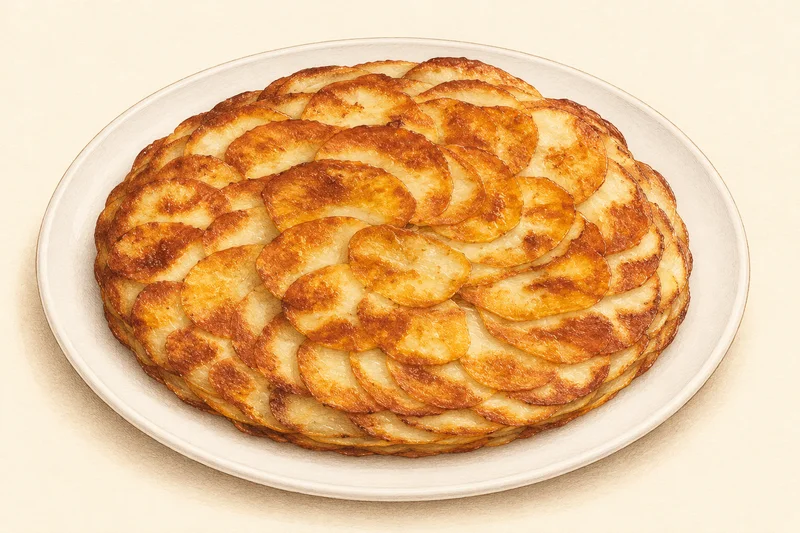
- similar Pommes Anna
Continue exploring
- CountryFrance162 entries in the atlas so far
 RecipePommes AnnaParis, France
 RecipeTartifletteAravis, Haute-Savoie, France
 PotatoBintjeFriesland, Netherlands
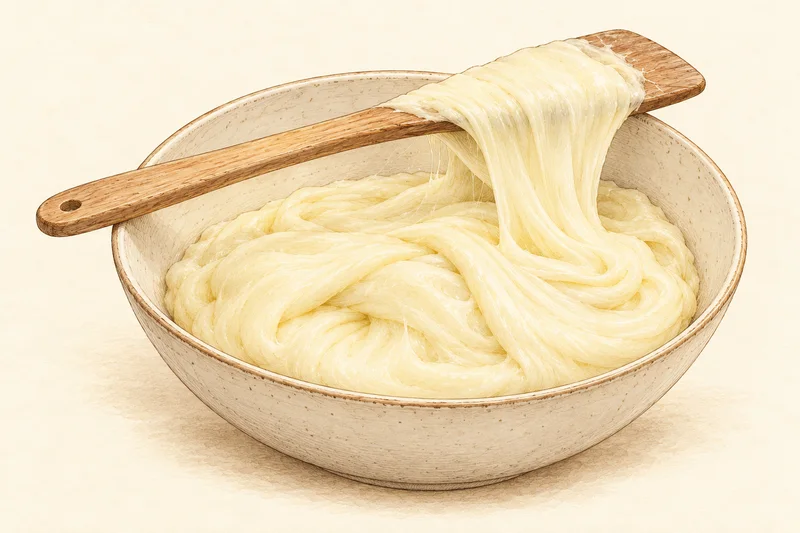 RecipeAligotAubrac, Laguiole, France
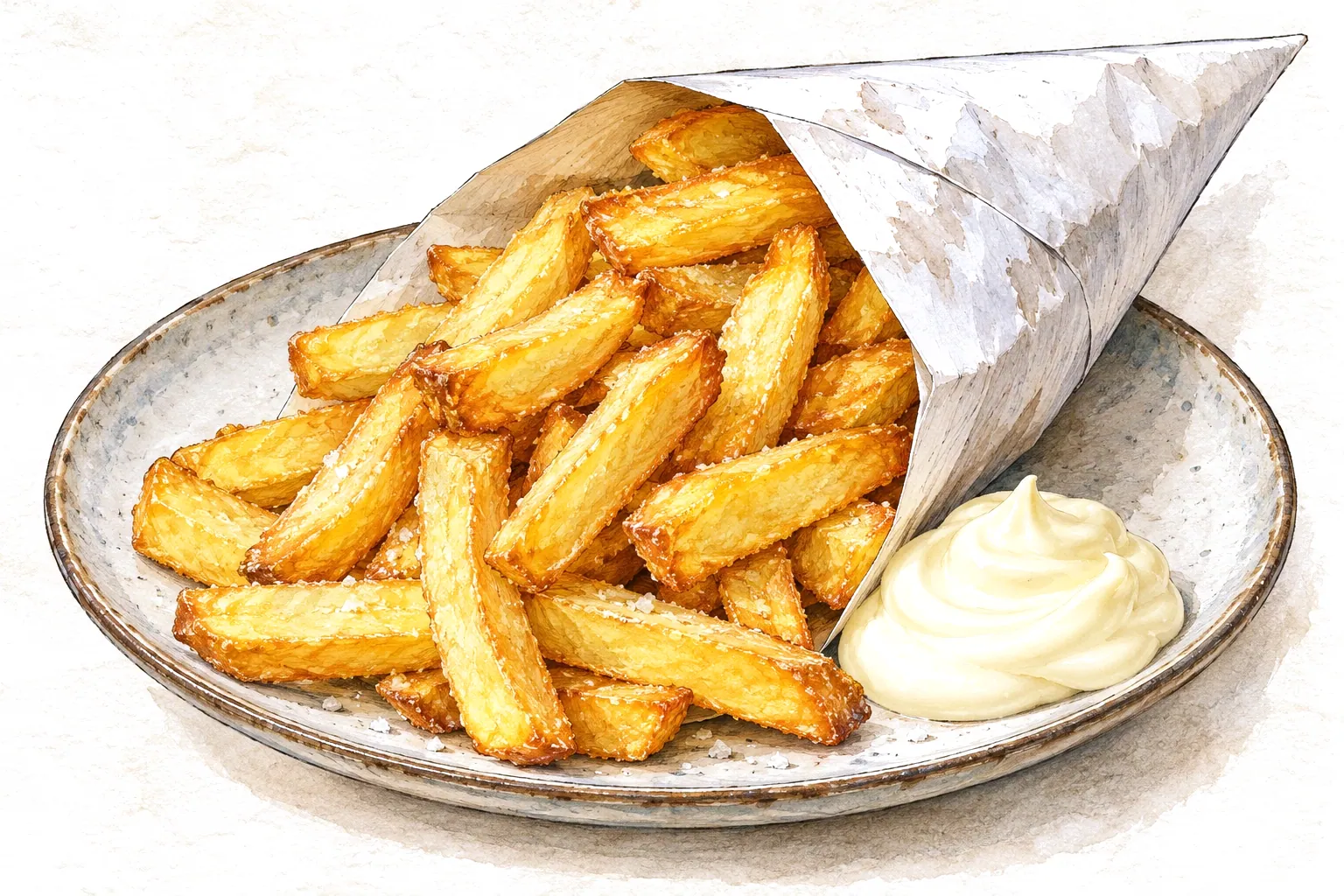 RecipeBelgian fritesBelgium
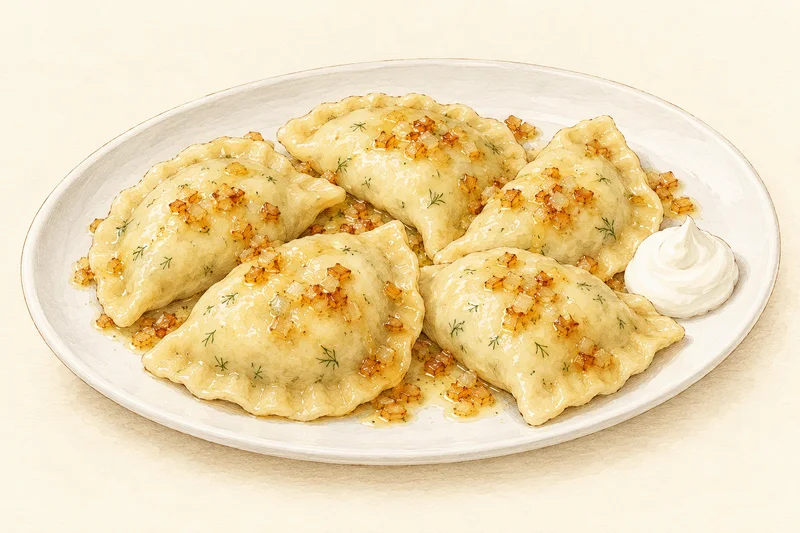 RecipePierogi ruskiePoland
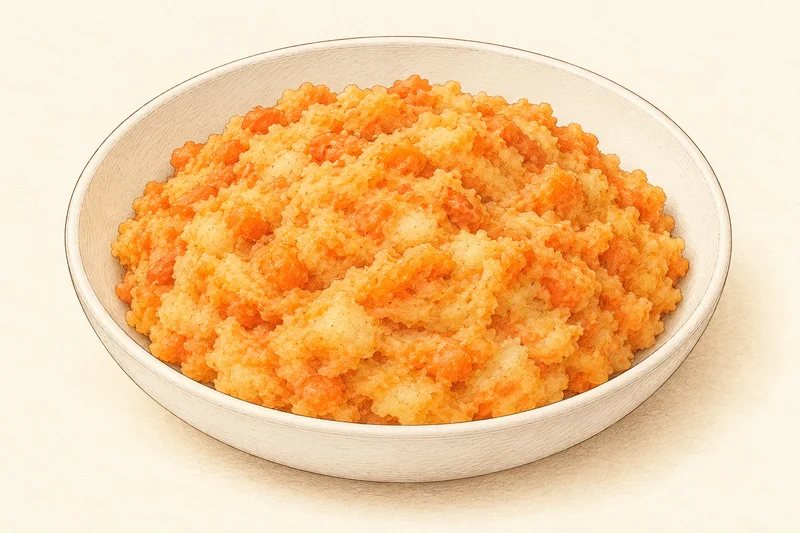 RecipeStoempBrussels, Belgium
 StoryFrom the Andes to EuropeLake Titicaca, Peru
 Pasta shapeGnocchi di patate