
Potatoes · Potato · Reference page
Bintje
Pronunciation: /BIN-tyuh/
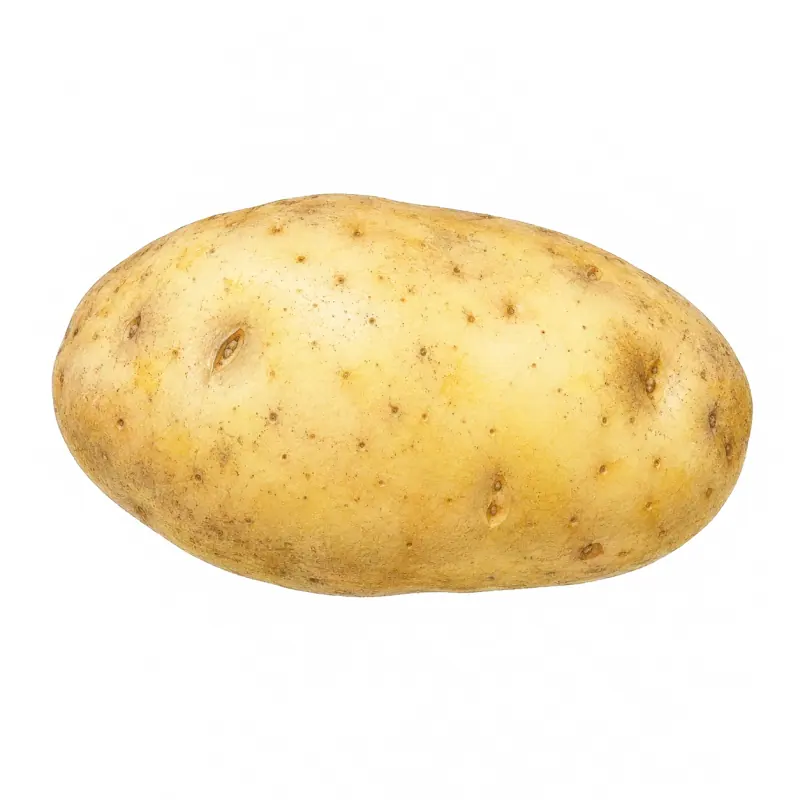
A yellow-fleshed Dutch potato bred by a Frisian schoolteacher and released in 1910. More than a century later it is still the most popular fry potato in Belgium — and a case study in how one cultivar's strengths and weaknesses shape an entire food culture.
A teacher's potato
Kornelis Lieuwes de Vries (1854–1929) was a schoolteacher in Suameer (Sumar), in the Dutch province of Friesland, who also taught horticulture and agriculture and bred potatoes alongside his teaching. Around 1904–1905 he crossed the varieties Munstersen and Fransen and selected the best of the seedlings. It was introduced in 1910 and named Bintje, after his favourite pupil, Bintje Jansma.
For much of the twentieth century Bintje was among the leading potatoes of the Low Countries and northern France. Growers liked its high yields and wide adaptability; cooks liked its yellow flesh and its suitability for every kind of cooking. It remains the most popular fry potato in Belgian frietkoten.
Why Bintje makes good fries
Good fries need a potato with enough dry matter — mostly starch — that the inside cooks through rather than staying watery, and a low level of reducing sugars, so the outside turns golden rather than dark brown before it is crisp. Bintje has a medium dry-matter content and a long oval tuber that cuts into long, even batons. The 1960 Dutch variety list describes it as only slightly mealy, firm and fine-textured, suitable for every cooking method and especially for fries and crisps.
So Bintje is a fairly firm, fine-textured all-rounder — not truly floury — which fries pale and evenly. Firm salad potatoes such as Charlotte still hold slices better. See Belgian frites for the method.
The cost of a famous potato
Bintje is highly susceptible to late blight (Phytophthora infestans) in both foliage and tubers — the water mould behind the Irish famine of the 1840s. Keeping a Bintje crop healthy in a wet summer needs repeated fungicide sprays. Its continued popularity is a reminder that a food tradition can make a single variety hard to replace, even when more resistant cultivars such as Agria exist.
How it connects
Place
- origin Friesland In preparation
Recipe
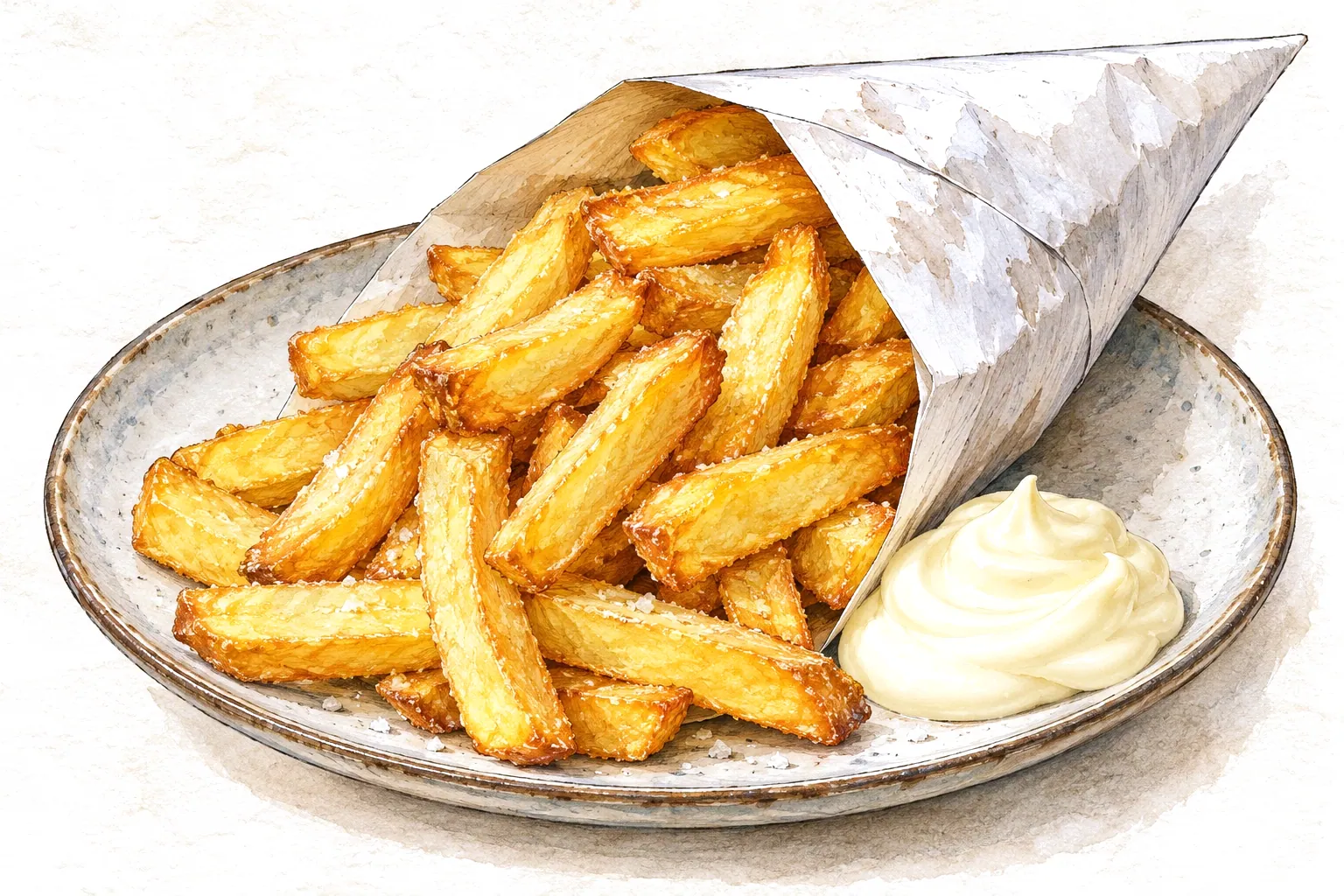
- used in Belgian frites
- made with Stoemp
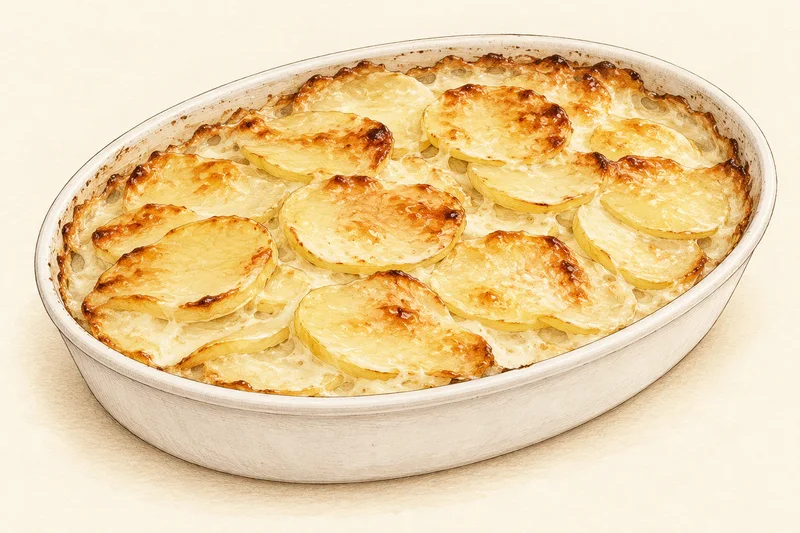
- made with Gratin dauphinois
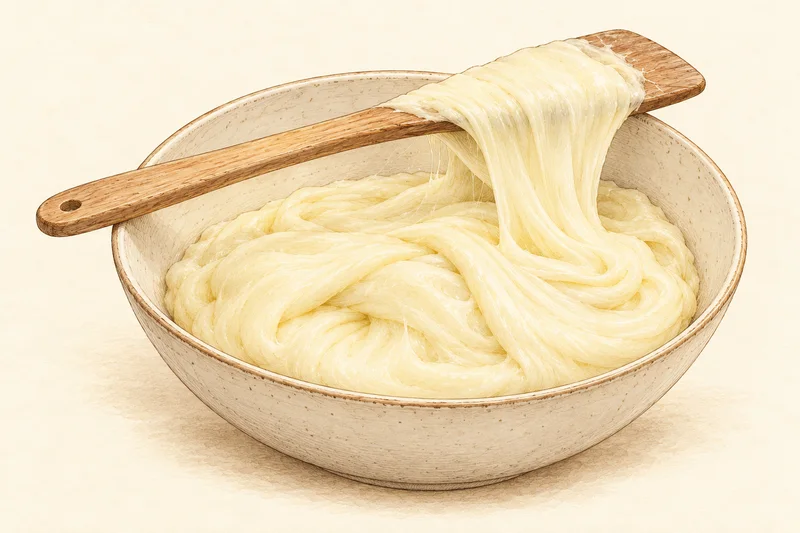
- made with Aligot
- made with Pierogi ruskie
Potato
- similar Agria
- similar Russet Burbank
Pasta shape
- used in Gnocchi di patate
Story
- story From the Andes to Europe
Continue exploring
- CountryNetherlands19 entries in the atlas so far
 RecipeAligotAubrac, Laguiole, France
 RecipeBelgian fritesBelgium
 RecipeGratin dauphinoisVercors, Dauphiné, France
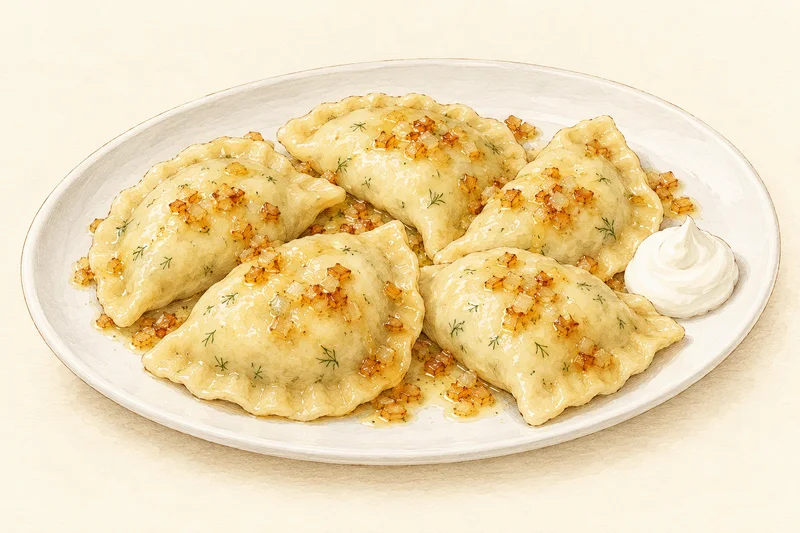 RecipePierogi ruskiePoland
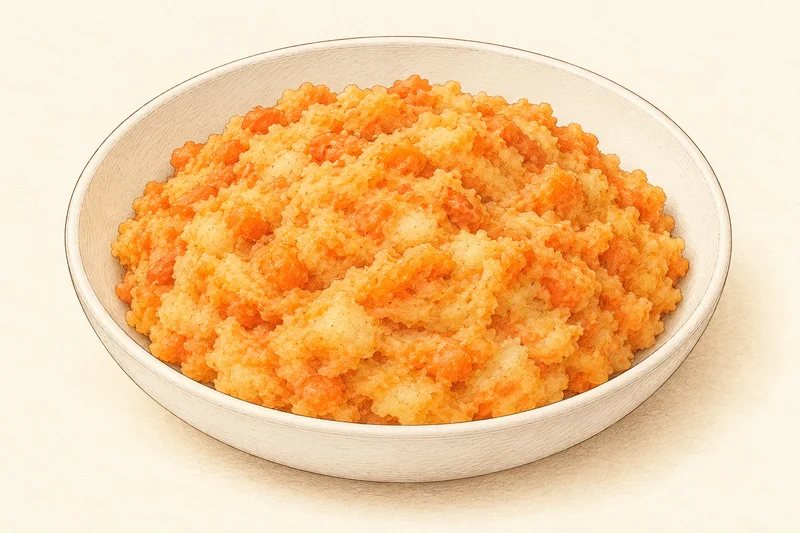 RecipeStoempBrussels, Belgium
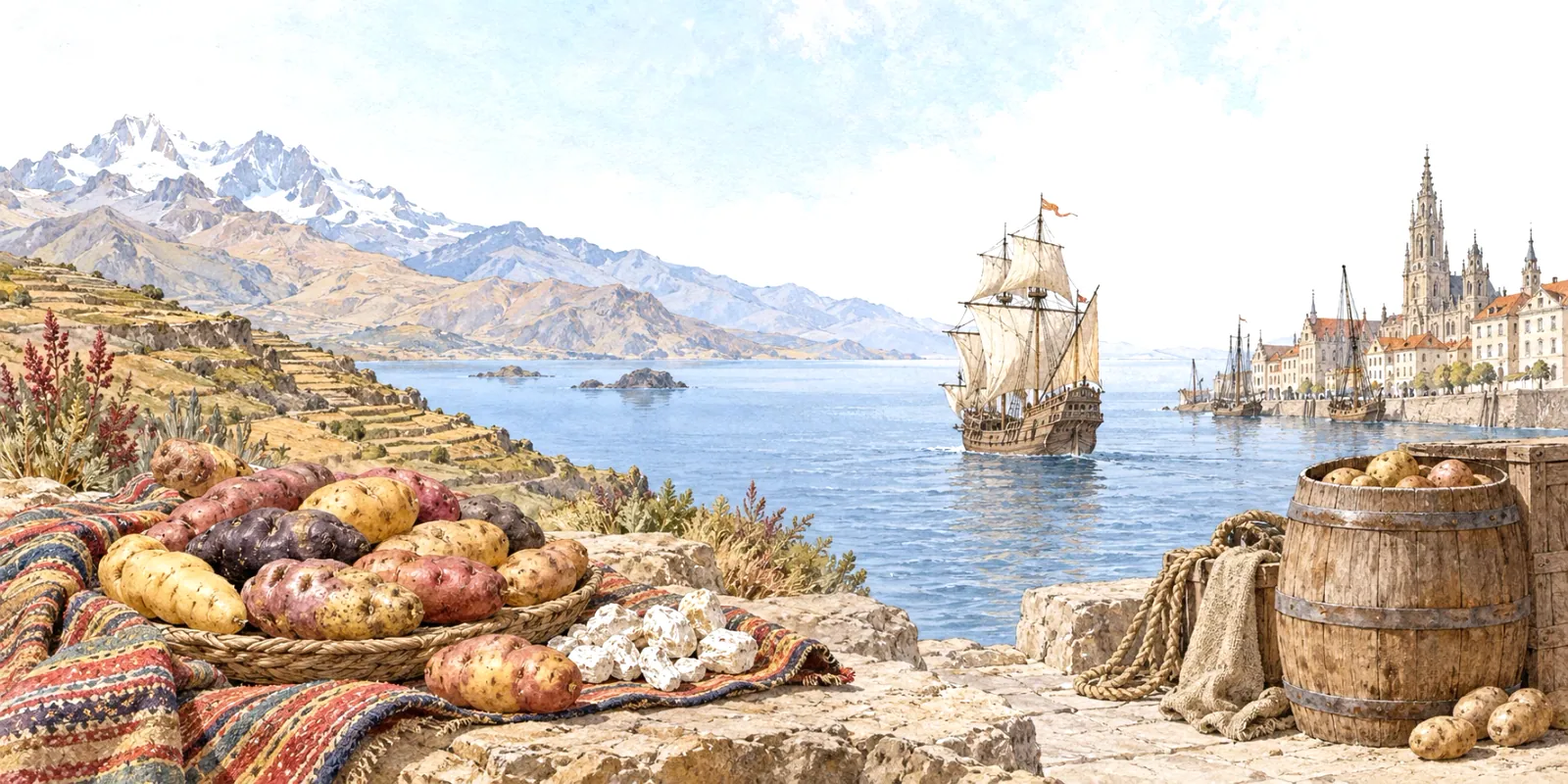 StoryFrom the Andes to EuropeLake Titicaca, Peru
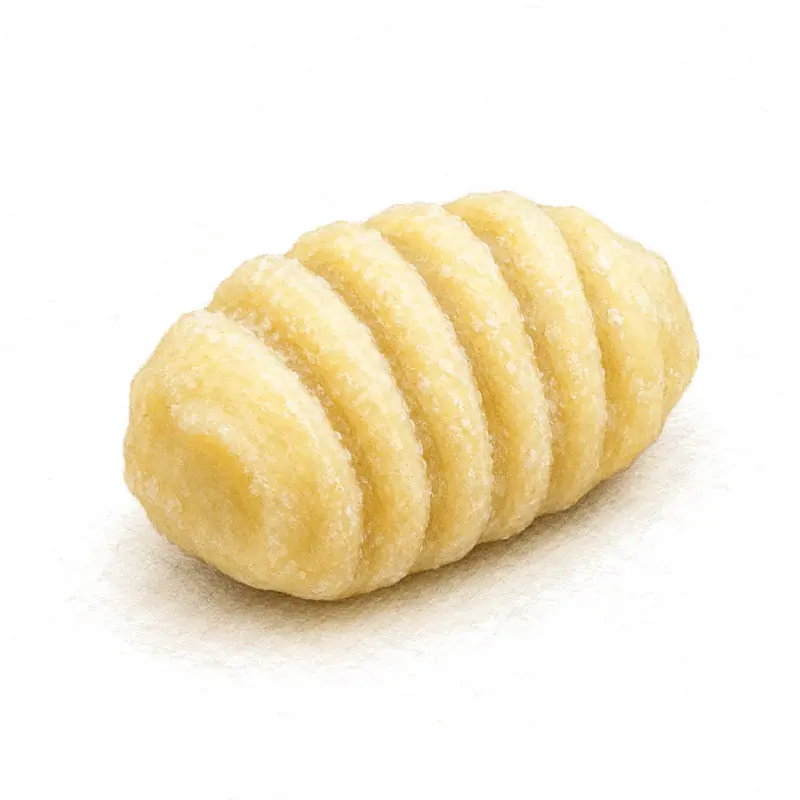 Pasta shapeGnocchi di patate
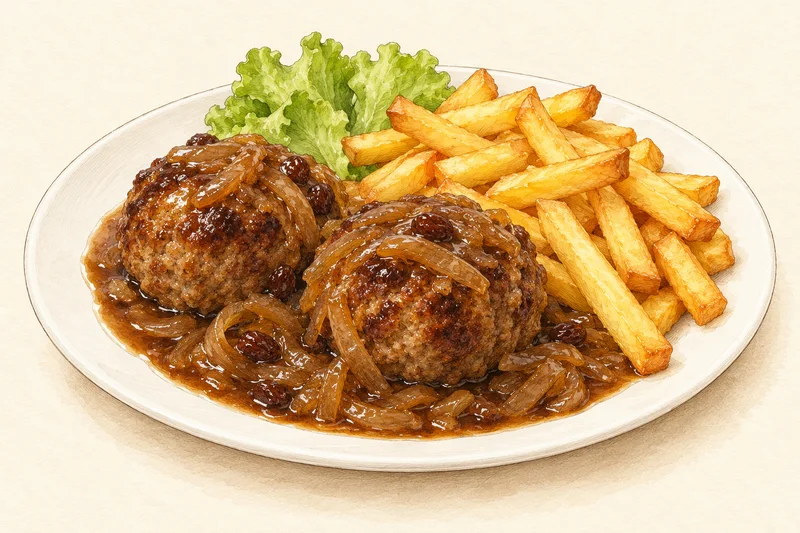 RecipeBoulets à la liégeoiseLiège, Belgium
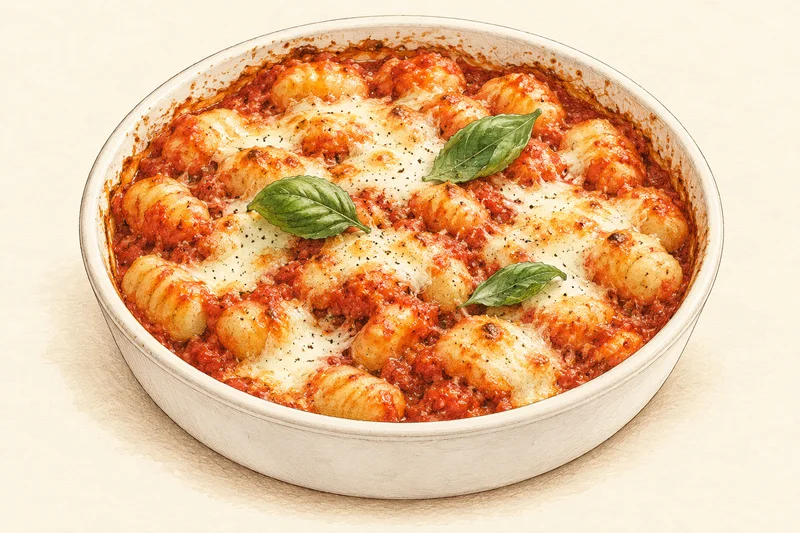 RecipeGnocchi alla sorrentinaSorrento, Italy