
Pasta · Recipe · Amatrice · Reference page
Spaghetti all'amatriciana
spaghetti all'amatriciana
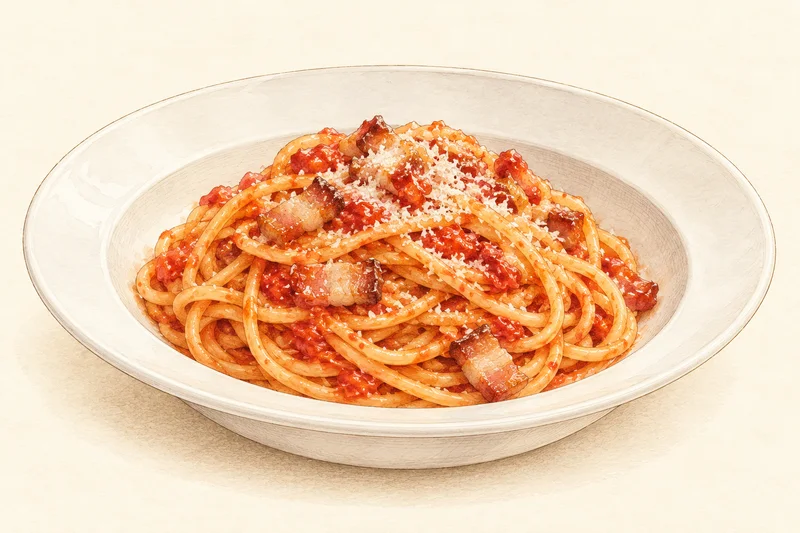
Spaghetti with a sauce of guanciale (cured pork cheek), tomato, a little white wine and chilli, finished with grated pecorino. The quantities are the Amatrice version published by Scatti di Gusto: guanciale at a quarter of the weight of the pasta, no onion, no garlic, chilli rather than black pepper.
- Servings
- 5
- Preparation
- 10 min
- Cooking
- 25 min
- Total
- 35 min
- Difficulty
- Easy
Equipment
- Frying pan, preferably iron
- Large pot for the pasta
- Warm serving bowl (terrina)
Ingredients
The sauce
Pasta and cheese
Method
Put the oil, the chilli and the guanciale in the frying pan and brown over high heat.
Add the splash of wine and let it bubble off. Lift the guanciale out with a slotted spoon, drain it well and keep it warm.
Why Taken out early, the guanciale stays soft and does not turn dry and salty while the tomato cooks.
Add the tomato strips to the fat in the pan, season with salt, stir and cook for a few minutes.
Timer · 5 min5:00Remove the chilli, return the guanciale to the pan and stir the sauce once more.
Meanwhile cook the spaghetti well al dente in plenty of salted water. Drain and put it in the warm bowl with the grated pecorino.
Why The cheese goes on the pasta first, then the sauce on top.
Wait a few seconds, pour over the sauce, toss and serve, with more pecorino at the table.
To drink & serve with
- Frascati Superiore
Editorial suggestion: a white from Lazio, such as Frascati Superiore, to cut the fat of the guanciale.
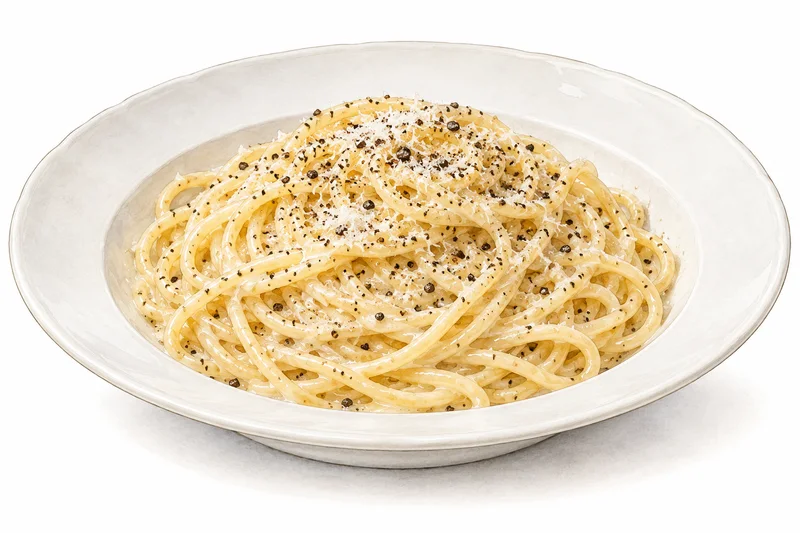
- Cacio e pepe
Another sheep's-cheese pasta from the same Lazio tradition.
Substitutions
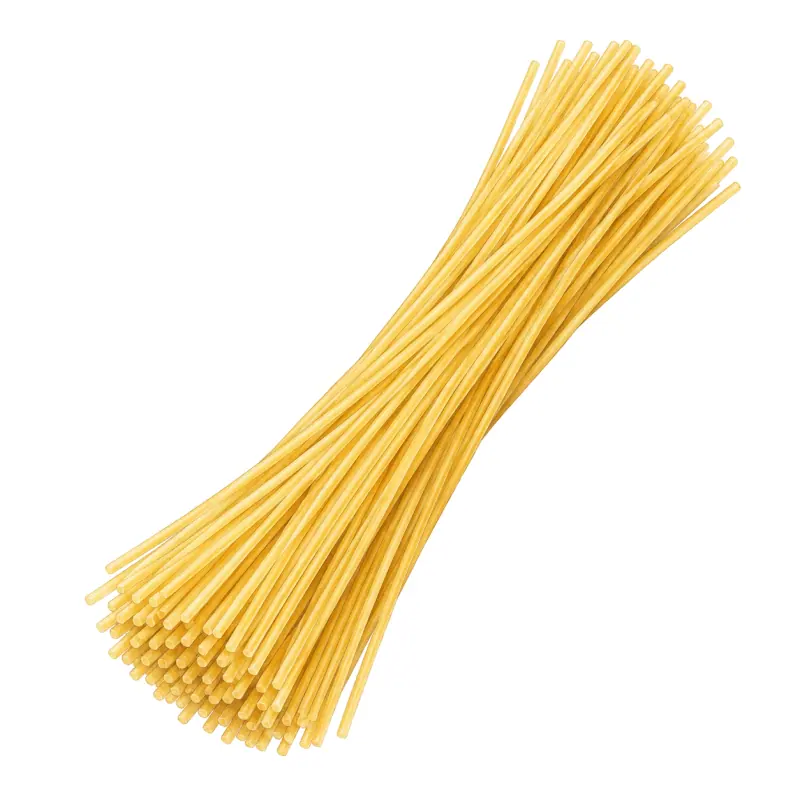
- Spaghetti → The source says spaghetti are usual in Amatrice, not bucatini or rigatoni, 'but nothing forbids' the pasta you prefer; in Amatrice the sauce also dresses gnocchi ricci.
- Fresh San Marzano tomatoes → 400 g tinned peeled tomatoes, as the source allows.
Common mistakes
- Adding onion or garlic: the Amatrice version has neither.
- Using black pepper instead of chilli, or pancetta instead of guanciale.
- Leaving the guanciale in the tomato the whole time: it toughens.
Storage & reheating
Best eaten at once. The sauce alone keeps 2 days in the fridge; cool it within 2 hours and reheat it until it boils.
Safety
Contains gluten (pasta), milk (pecorino) and sulphites (wine). Guanciale is a cured raw product and is cooked through here.
Allergens
Gluten · Milk · Sulphites
Check labels: stock, bacon and sauces can contain further allergens.
From the shepherds' gricia to a European speciality
Lazio's regional tourism portal tells the story as a tradition: shepherds moving their flocks in the Laga Mountains dressed their pasta only with pecorino and guanciale, the dish still called gricia, and at the end of the eighteenth century the addition of tomato gave it the name of the town, Amatrice. The passage quoted by Scatti di Gusto ties the tomato to Amatrice's long links with the Kingdom of Naples.
The European Union registered Amatriciana Tradizionale as a Traditional Speciality Guaranteed by Implementing Regulation (EU) 2020/395 of 6 March 2020. We read the regulation, not the product specification it refers to, so the atlas quotes no percentages from that specification.
Guanciale out, tomato in, guanciale back
The Amatrice method browns the guanciale with oil and a piece of chilli in an iron pan, deglazes with a splash of white wine, then lifts the meat out so that it stays soft while the tomato cooks briefly in its fat. The chilli comes out, the guanciale goes back, and the sauce meets the pasta only after the pecorino has been tossed through it.
The rules are short: guanciale only, no onion, chilli not pepper, spaghetti rather than bucatini.
How it connects
Place
- origin Amatrice In preparation
Recipe
- related Cacio e pepe
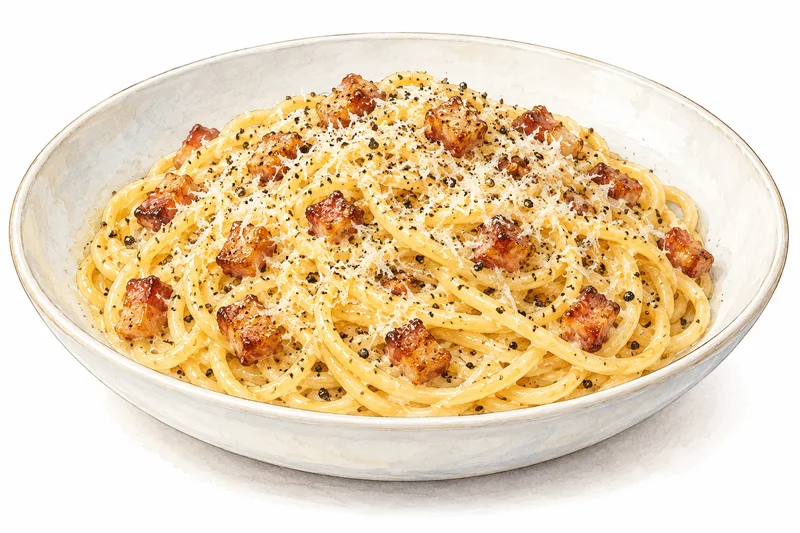
- related Spaghetti alla carbonara
Wine region
- pairs with Frascati Superiore
Continue exploring
- CountryItaly107 entries in the atlas so far
 RecipeCacio e pepeRome, Italy
 RecipeSpaghetti alla carbonaraRome, Italy
- Wine regionFrascati SuperioreFrascati, Italy
 Pasta shapeSpaghettiGragnano, Italy
 RecipeSaltimbocca alla romanaRome, Italy
 Pasta shapeBucatini
- RecipeLinguine alle vongoleItaly
 StoryDid Marco Polo bring pasta to Italy?Trabia, Italy
 Pasta shapeBigoliPadua, Italy