
Pasta · Pasta shape · Short entry
Bigoli
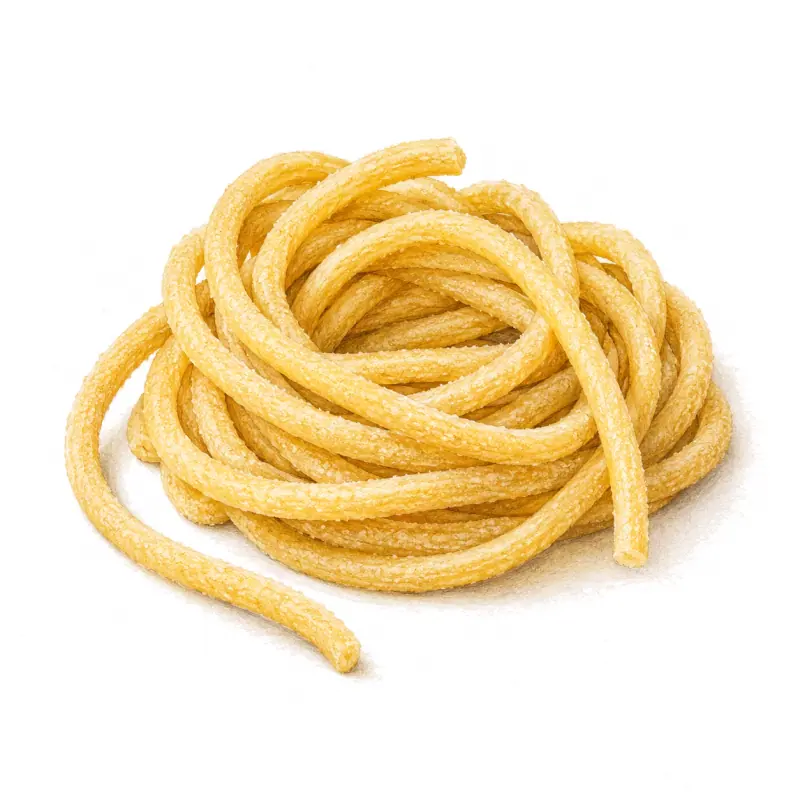
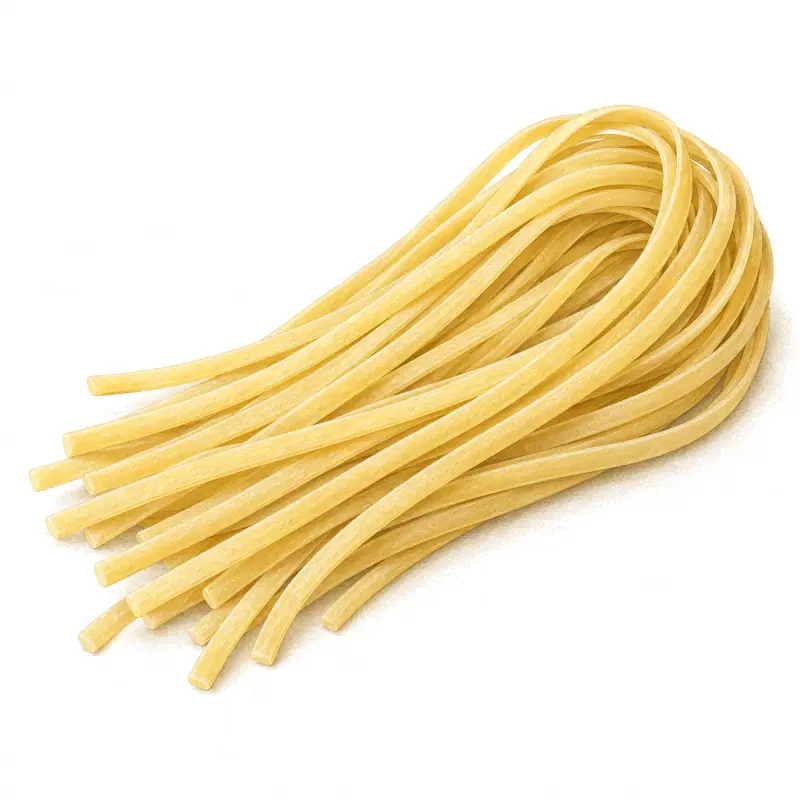
Thick, rough strands like heavy spaghetti, pressed through a hand-cranked press called a *torchio* or *bigolaro*. They are typical of Venetian, Mantuan and Brescian cooking. A Padua petition of 1604 asking for a privilege on the press is the earliest record of the tool reported so far.
The bigolaro
Bigoli are not cut but pressed. The Lombardy Region describes the home method: a stiff dough of buckwheat or wholewheat flour, eggs, butter, milk and salt is rested, forced through a press with wide holes, and the strands are dried for 24 hours. Ready-made bigoli are sold where the tradition survives. Italy's list of traditional products records them for the Veneto as bigoi.
In January 2026 the news agency AGI reported a petition of 26 January 1604, recorded in the acts of Padua's city council. In it a pasta maker, Bortolamio Veronese, called "l'Abbondanza", asked for a five-year exclusive right to the wooden torcio bigolaro he had designed. The document was found by Paolo Caratossidis while researching the pasta's origins; the report gives no archive reference.
How it connects
Pasta shape
- similar Spaghetti
Continue exploring
- CountryItaly107 entries in the atlas so far
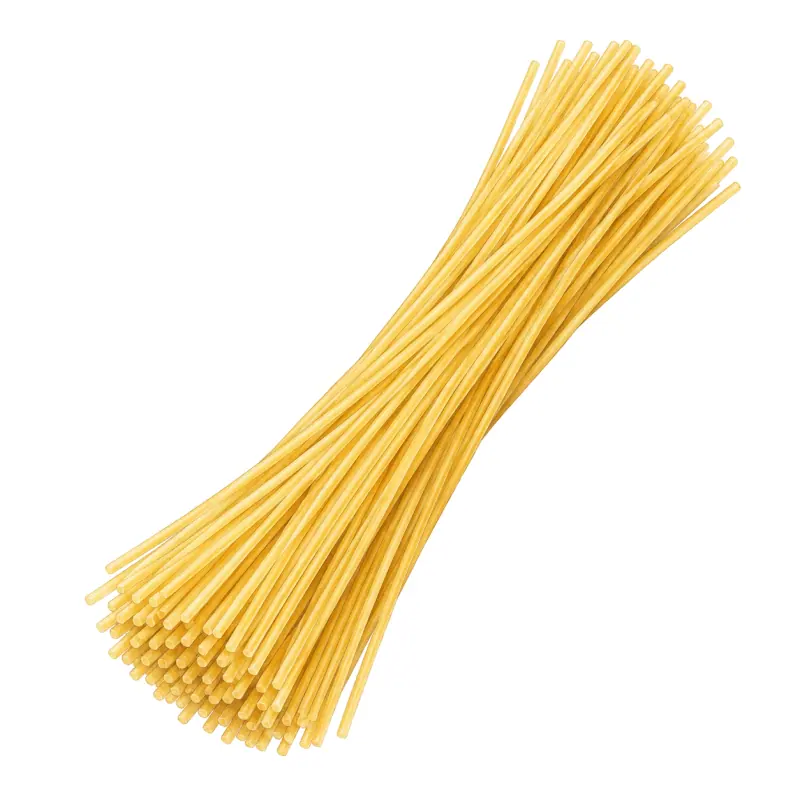 Pasta shapeSpaghettiGragnano, Italy
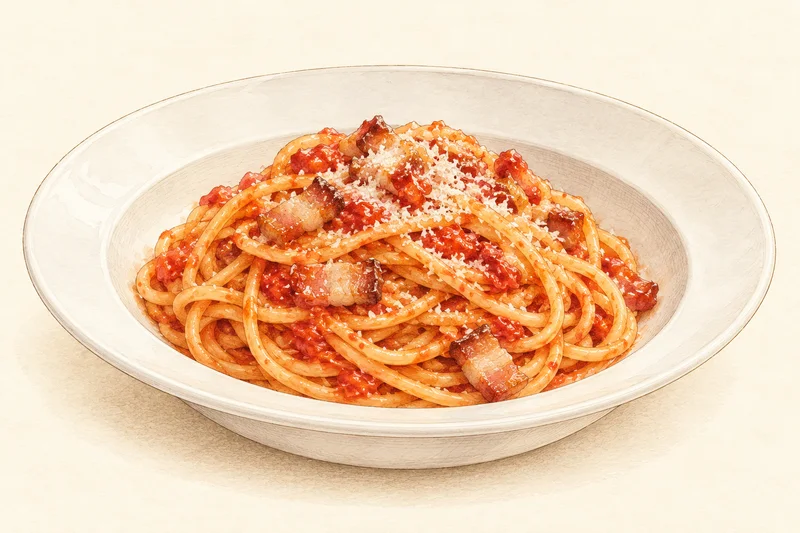 RecipeSpaghetti all'amatricianaAmatrice, Italy
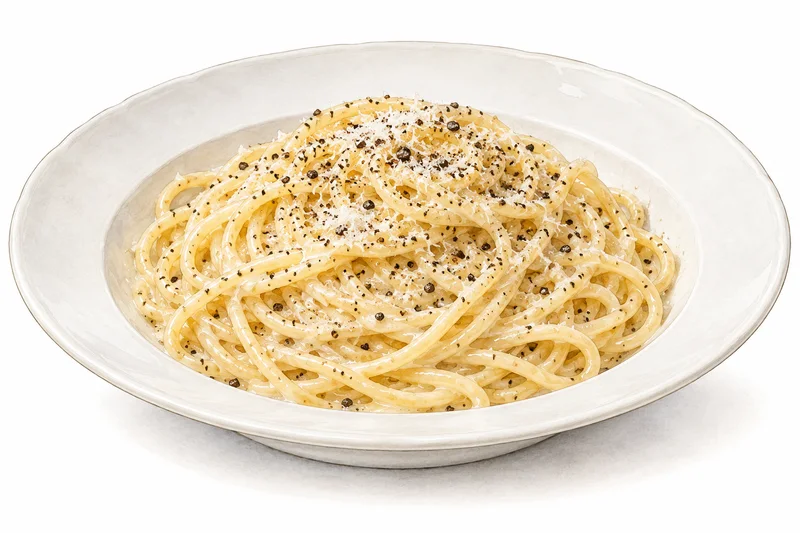 RecipeCacio e pepeRome, Italy
- RecipeLinguine alle vongoleItaly
 RecipeSpaghetti alla carbonaraRome, Italy
 StoryDid Marco Polo bring pasta to Italy?Trabia, Italy
 Pasta shapeBucatini
 Pasta shapeCapellini
 Pasta shapeLinguine