
Pasta · Recipe · Italy · Reference page
Linguine alle vongole
linguine alle vongole
Linguine with clams opened in a covered pan with olive oil, garlic, anchovy, parsley and white wine. Luigi Valdarchi's quick version for SBS, Italian food 'at its simplest and its best'.
- Servings
- 4
- Preparation
- 10 min
- Cooking
- 10 min
- Total
- 20 min
- Difficulty
- Easy
Equipment
- Wide, flat frying pan with a lid
- Large pot for the pasta
Ingredients
Clams
Pasta
Method
Check the clams: throw away any with cracked shells and any open ones that do not close when tapped. Rinse them in cold water.
Why A live clam closes; a dead one can make you ill.
Put the linguine on to cook in plenty of salted boiling water, timed to be al dente when the clams are ready.
Heat the oil in the wide pan over high heat and fry the garlic and anchovies.
When the oil is sizzling add the clams and parsley and cook for 2–3 minutes. As they begin to open, pour in the wine and cover.
Timer · 3 min3:00Lower the heat and simmer a few more minutes until all the clams have opened. Discard any that stay shut.
Timer · 4 min4:00Serve at once over the drained linguine, or pour off the juices and reduce them first if you want a thicker sauce.
To drink & serve with
- Fiano di Avellino
Editorial suggestion: a mineral white such as Fiano di Avellino, or the wine used in the pan.
Substitutions
- Anchovies → Leave them out for a plainer garlic, oil and parsley sauce; the dish then contains no fish.
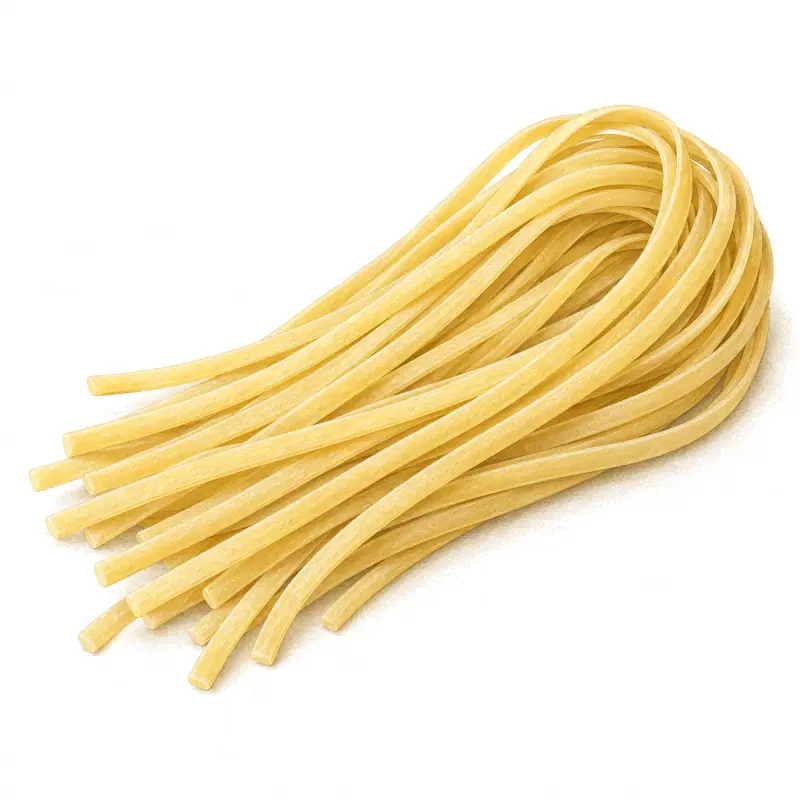
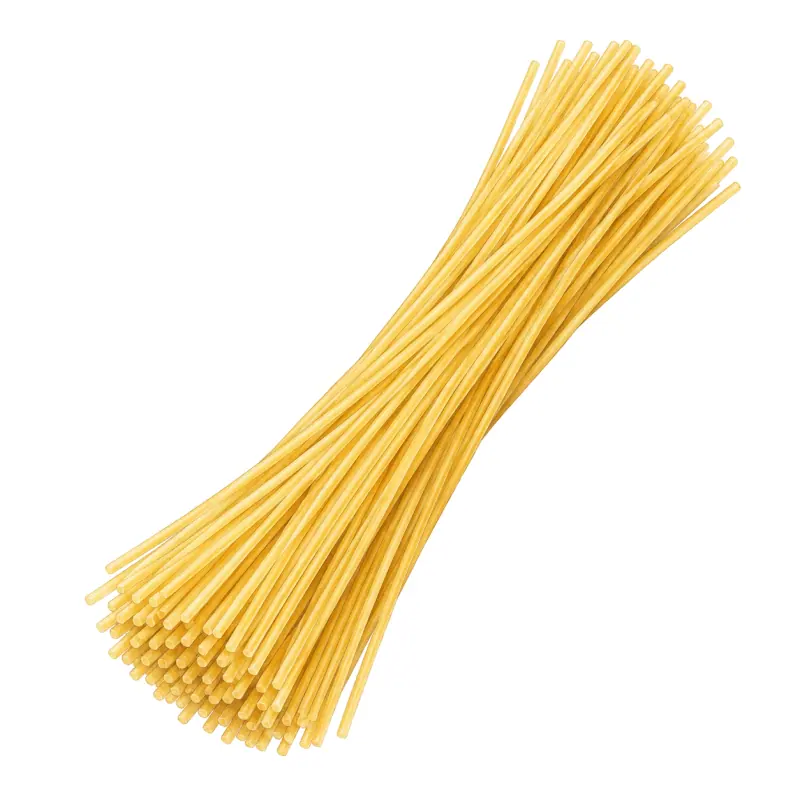
- Linguine → Spaghetti, the other usual shape for clams.
Common mistakes
- Storing live clams in water or a sealed box: they need air, in the fridge under a damp cloth, and should be used within 2–3 days.
- Overcooking: the clams shrink and toughen once open.
Storage & reheating
Eat at once. Leftover cooked clams go in the fridge within 2 hours and should be eaten within 2 days.
Safety
Clams are molluscs, a major allergen. Use only live clams from a licensed seller; discard any that are cracked, open and unresponsive before cooking, or still closed after cooking (Nova Scotia public health guidance). Contains fish (anchovy), gluten and sulphites.
Allergens
Gluten · Molluscs · Fish · Sulphites
Check labels: stock, bacon and sauces can contain further allergens.
Dietary
pescatarian
Pasta with clams, all along the coast
Clams with long pasta are cooked on every Italian coast, and the sources the atlas opened do not tie the dish to a single town or date. This version is Luigi Valdarchi's for SBS Food: a quick dish of oil, garlic and white wine in which a little anchovy adds depth.
Open the clams, keep the juices
Everything happens in one wide pan over high heat. The clams go into sizzling oil with garlic, anchovy and parsley, the wine follows as soon as they start to open, and the lid keeps the steam in until every shell is open. The clams' own sea water and the wine make the sauce; Valdarchi suggests pouring it off and reducing it if you want it thicker.
Food-safety guidance from Nova Scotia's public health service sets the rules: live clams should be closed or close when tapped, should be kept cold and breathing, and any that stay shut after cooking are thrown away.
How it connects
Place
- origin Italy In preparation
Wine region
- pairs with Fiano di Avellino
Continue exploring
- CountryItaly107 entries in the atlas so far
- Wine regionFiano di AvellinoAvellino, Italy
- Pasta shapeSpaghettiGragnano, Italy
- Pasta shapeLinguine
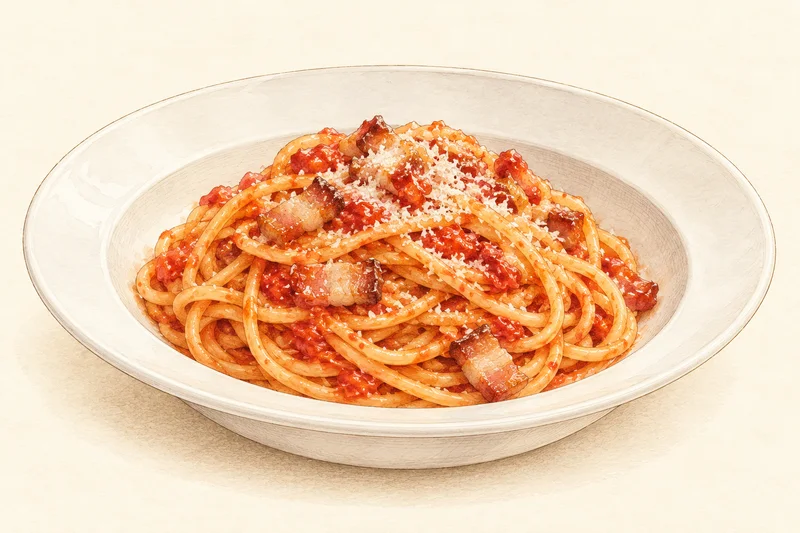 RecipeSpaghetti all'amatricianaAmatrice, Italy
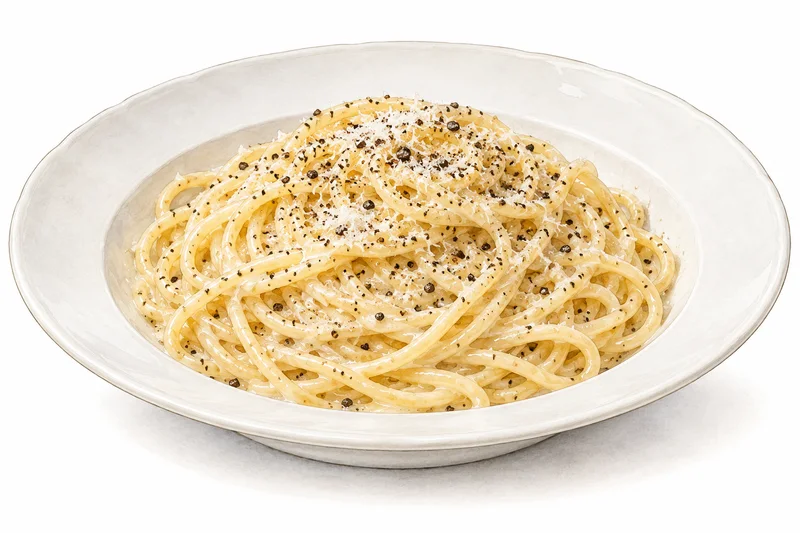 RecipeCacio e pepeRome, Italy
 RecipeInsalata di farroItaly
 RecipePasta e fagioliItaly
 RecipeRavioli di ricotta e spinaciItaly
 RecipeSpaghetti alla carbonaraRome, Italy