Rice · Rice · Short entry
Basmati 370
The pure-line Basmati selected at the Rice Farm of Kala Shah Kaku in Punjab and approved in 1933 — the traditional variety from which later Basmati breeding descends.
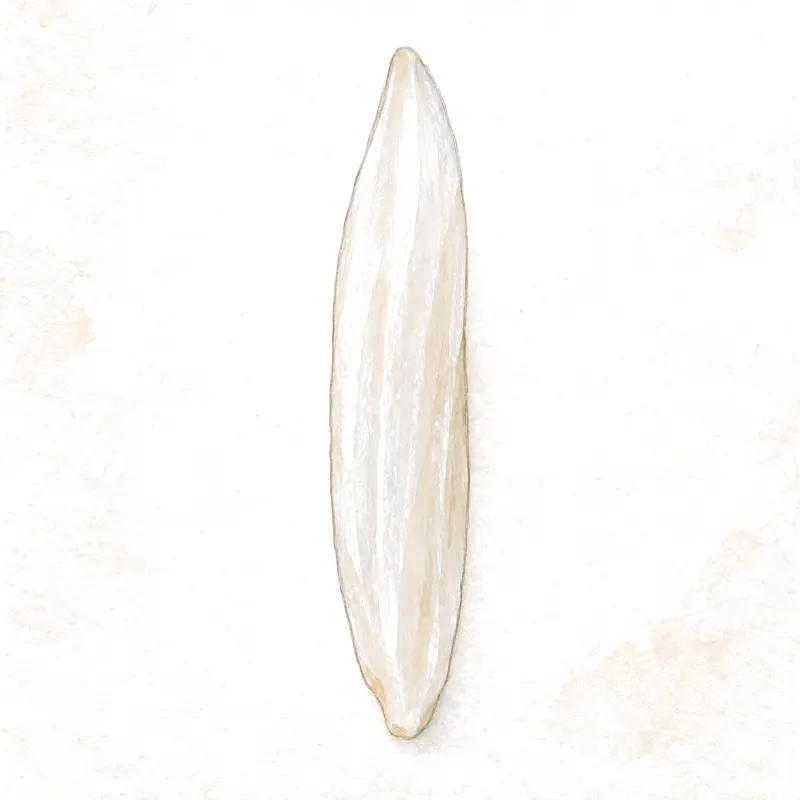
Accession no. 370
In 1926 the Punjab Department of Agriculture set up a rice breeding station at Kala Shah Kaku, in Sheikhupura district of present-day Pakistan. Of the hundreds of landrace lines collected and compared there, accession no. 370 — collected at Kaulo Tarar in Hafizabad district — stood out for yield and grain quality, aroma included. Farmers knew it as "Farmi Basmati" because it came from the Rice Farm; on 5 April 1933 it was approved as Basmati 370.
Pakistan's Basmati specification calls it the "mother" of the Basmati varieties developed since, and Indian breeders also used it: Pusa Basmati 1121 has Basmati 370 in its pedigree. It remained the most popular export variety until the late 1980s.
How it connects
Rice
- part of Basmati
- offspring of Pusa Basmati 1121
- related Super Basmati
- related MR219
Continue exploring
- CountryPakistan3 entries in the atlas so far
 RiceBasmati
 RiceMR219Muda (MADA) granary, Kedah, Malaysia
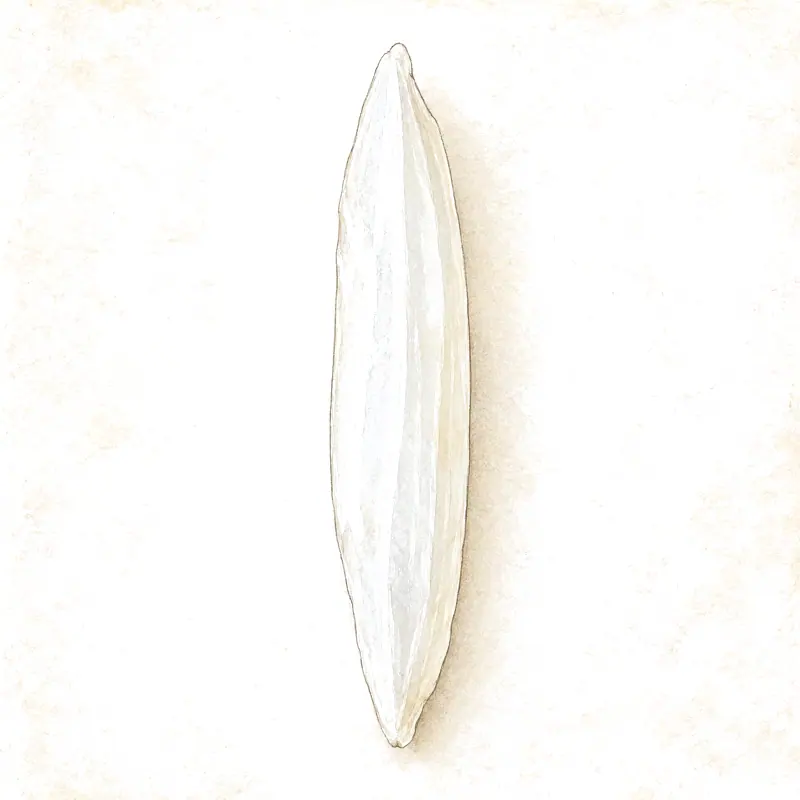 RicePusa Basmati 1121Haryana and Punjab Basmati belt, India
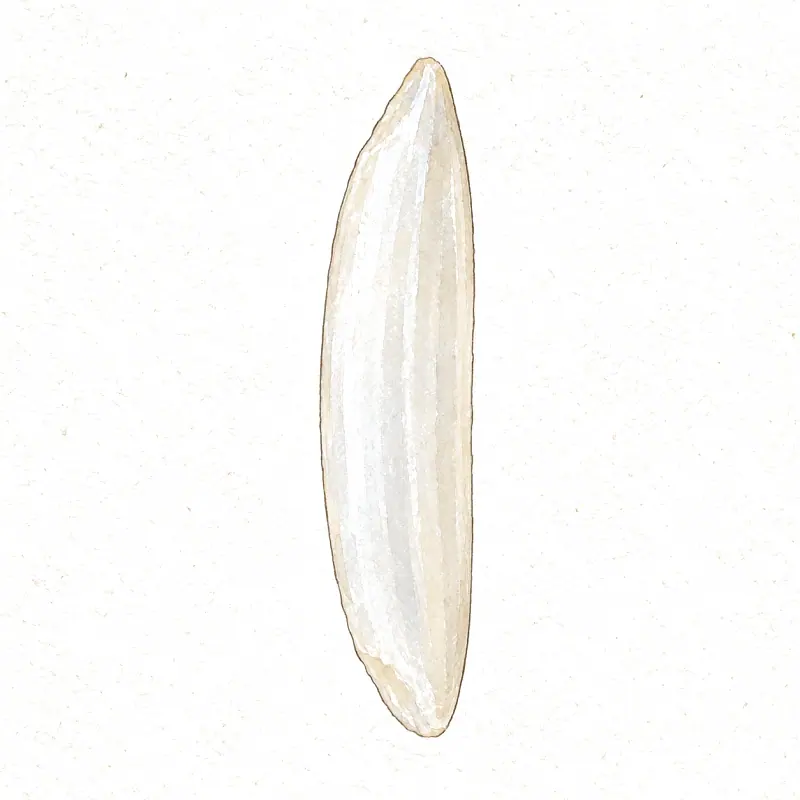 RiceSuper BasmatiGujranwala–Hafizabad, Punjab, Pakistan
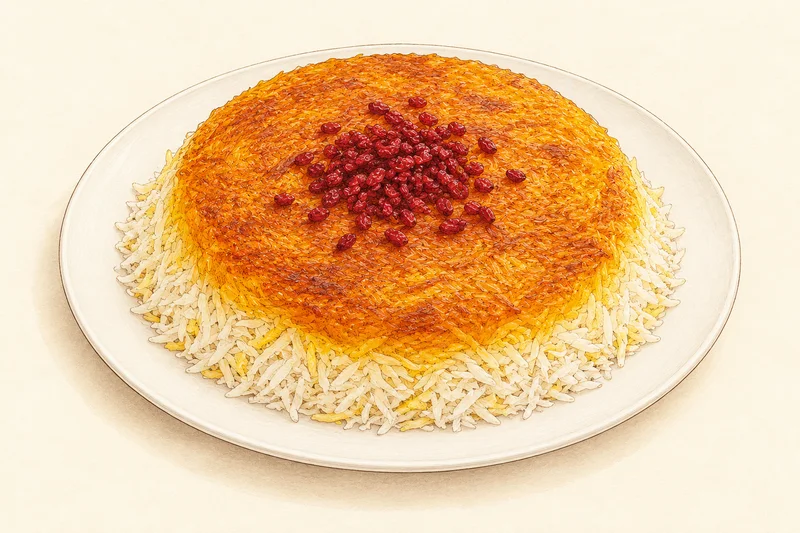 RecipeChelow with tahdigIran
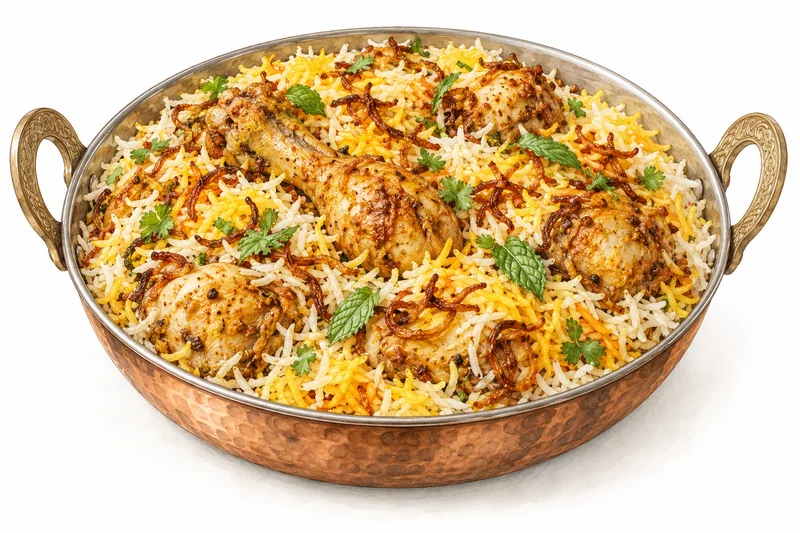 RecipeHyderabadi chicken dum biryaniHyderabad, India
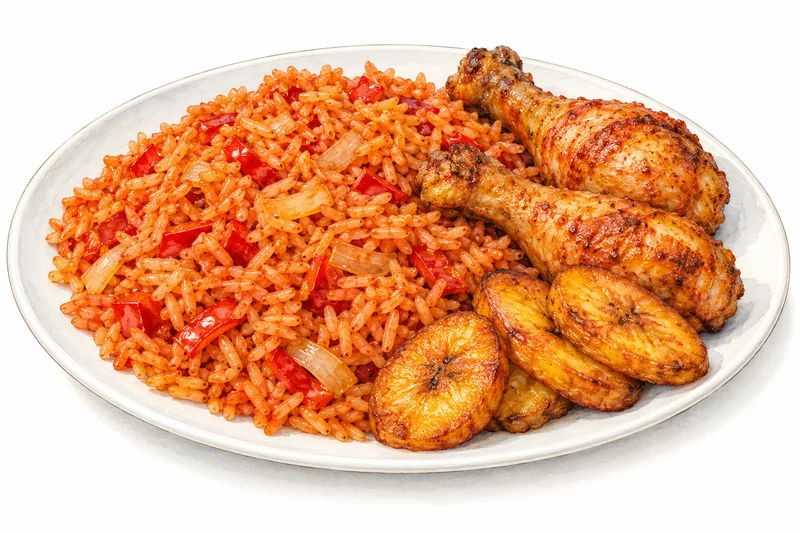 RecipeJollof rice with chickenNigeria
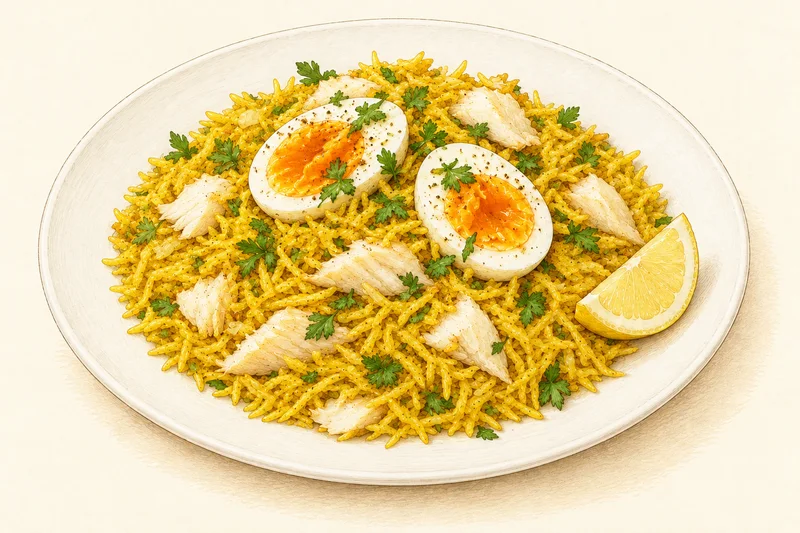 RecipeKedgereeBritain, United Kingdom
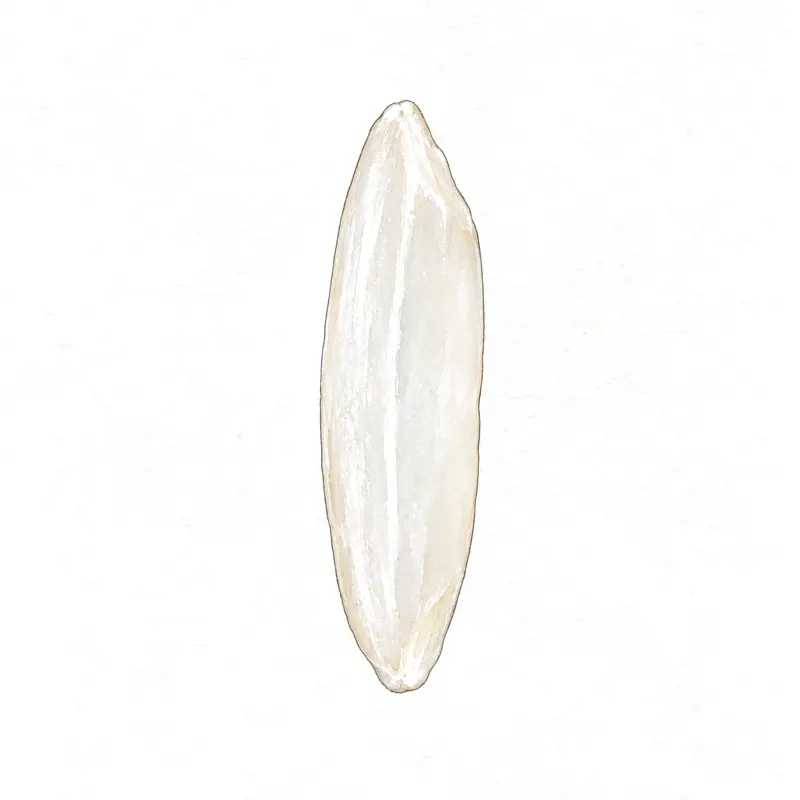 RiceJasmine rice (Thai Hom Mali)