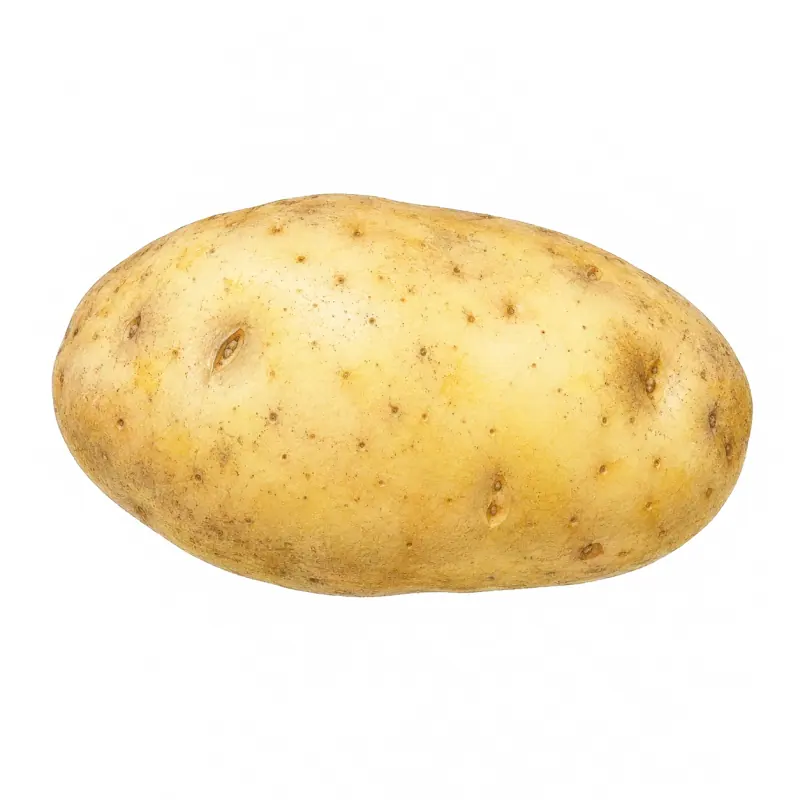
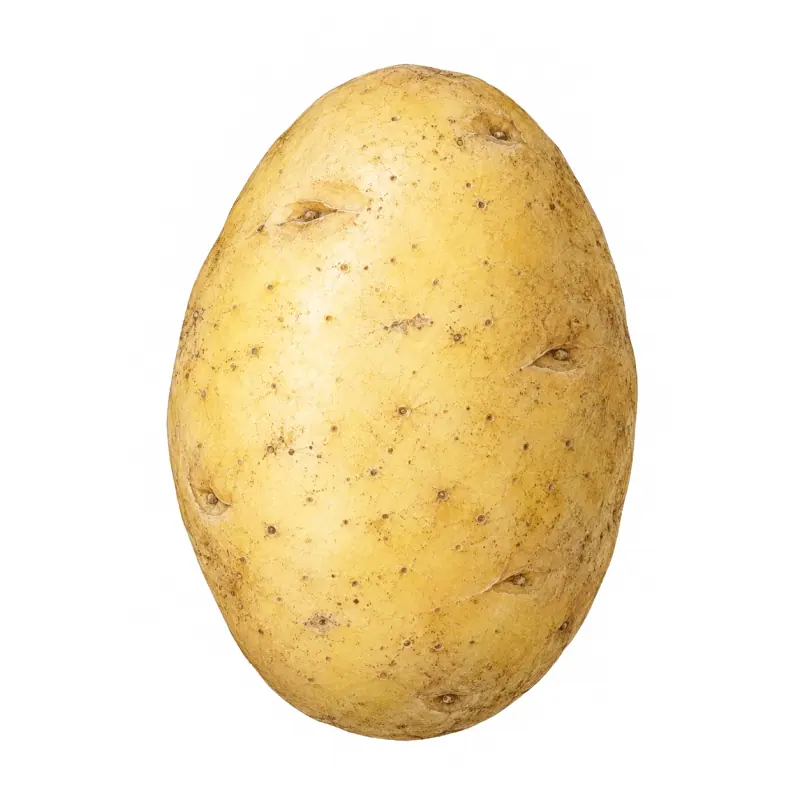
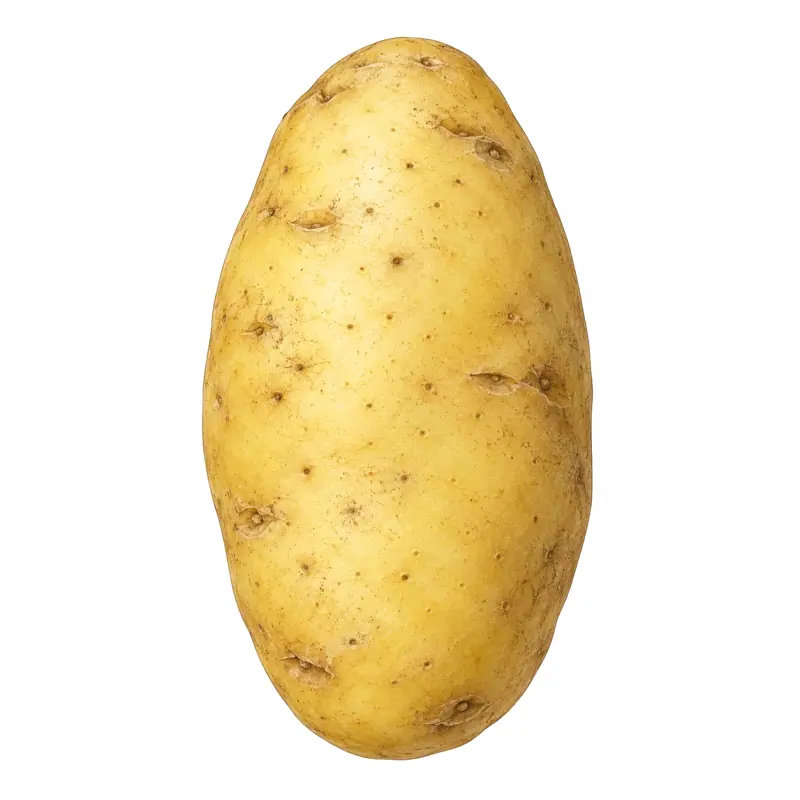
Potatoes · Recipe · Madrid · Reference page
Patatas bravas
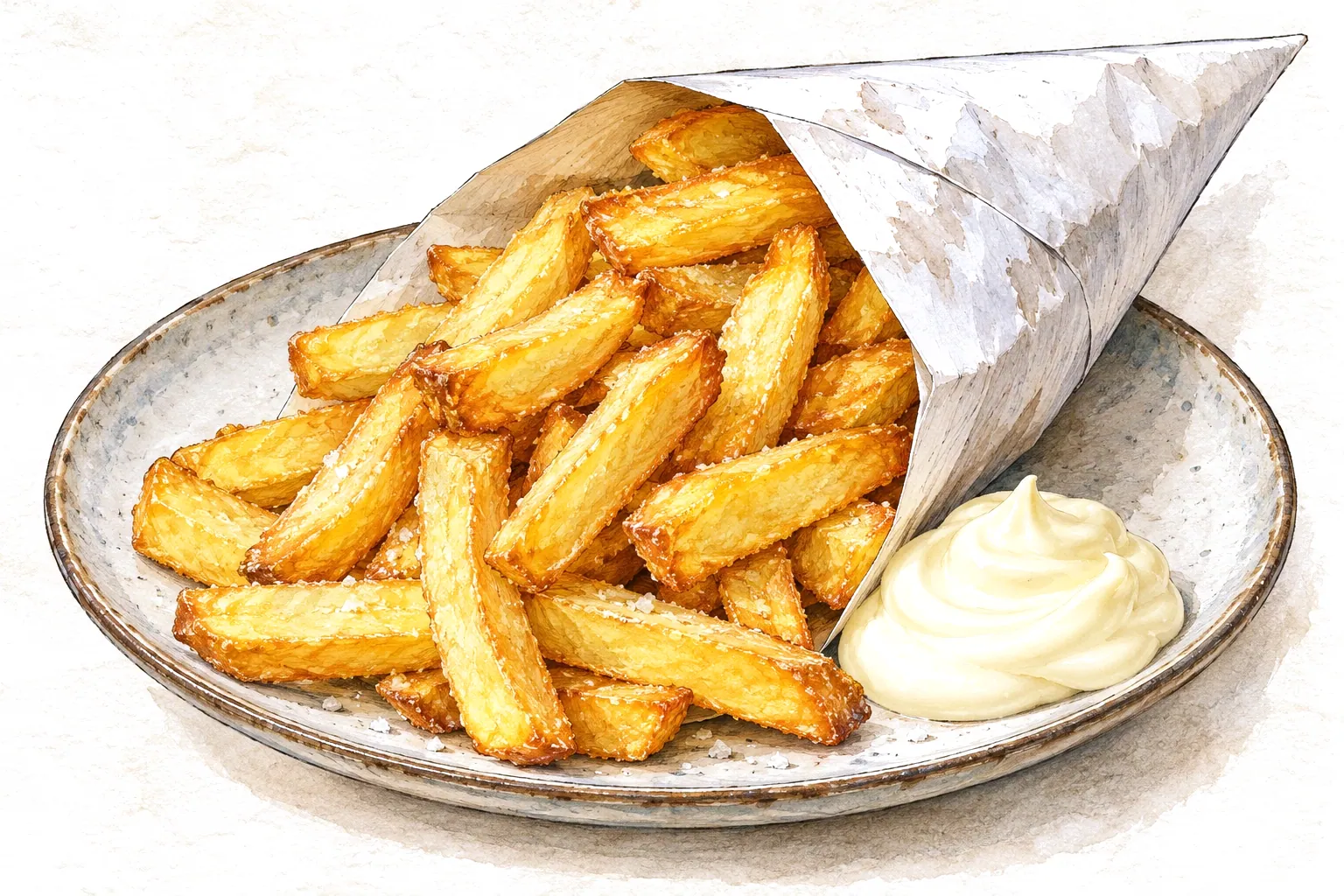
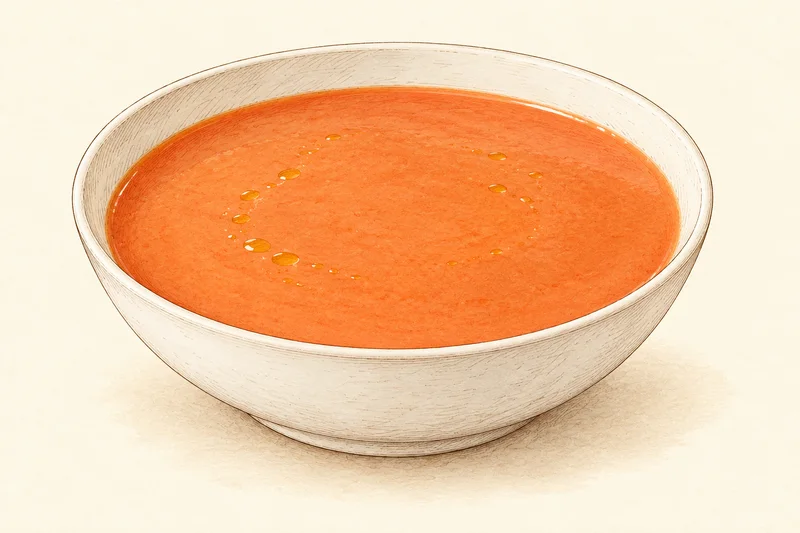
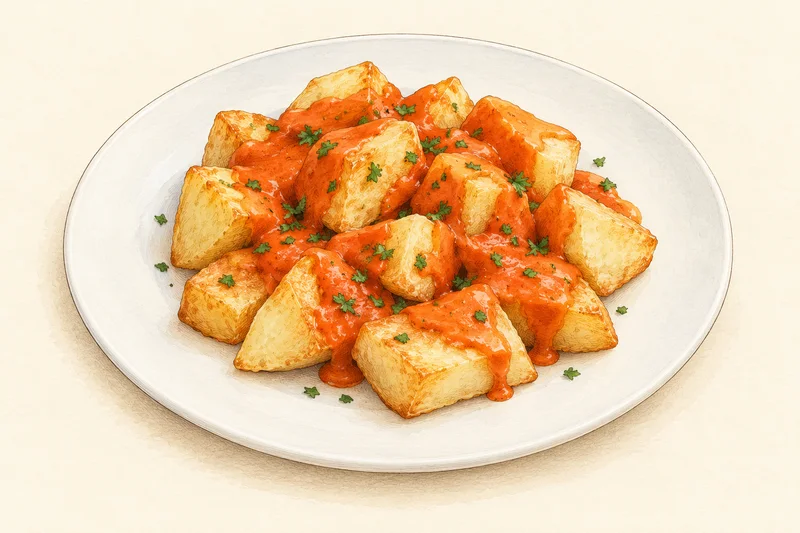
Bite-sized pieces of fried potato half-covered with a hot pimentón sauce. This version, from Directo al Paladar, makes the sauce as a velouté of onion, sweet and hot pimentón, flour and stock, with no tomato. Madrid's bars are credited with the tapa.
- Servings
- 4
- Preparation
- 10 min
- Cooking
- 20 min
- Total
- 30 min
- Difficulty
- Easy
Equipment
- Wide frying pan for the sauce
- Deep pan or fryer for the potatoes
- Stick blender and fine sieve
Ingredients
The sauce
The potatoes
Method
Soften the onion in 4 tbsp olive oil in a wide pan over a very low heat. Before it colours, stir in the sweet and hot pimentón.
Why Pimentón burns in seconds in hot oil and turns bitter; add it to gently cooking onion.
Add the flour and cook 1–2 minutes until it forms a roux with the oil, then add the stock little by little, stirring, as for a velouté.
Cook for 10 minutes so the flour and pimentón lose their raw taste. Blend and pass through a fine sieve.
Timer · 10 min10:00Cut the potatoes into irregular pieces small enough for one bite. Fry them in olive oil over a medium heat until they begin to turn golden. Drain on kitchen paper and salt them.
Timer · 10 min10:00Spoon about 3 tbsp of the sauce over the potatoes, leaving some uncovered, scatter with parsley and serve very hot, with more sauce on the side.
To drink & serve with
- Jerez-Xérès-Sherry
Editorial suggestion: a cold fino or manzanilla, or a caña of beer.
Substitutions
- Flour-based sauce → A tomato-based brava: onion, garlic, cayenne, hot pimentón, crushed tomato and stock reduced slowly, with a little sherry vinegar (Directo al Paladar's other version).
- Wheat flour (gluten-free) → Use the tomato version, which needs no flour.
Common mistakes
- Burning the pimentón: the sauce turns bitter.
- Drowning the potatoes in sauce: they lose their crust. Cover them only partly.
- Mixing with alioli: purists keep the two apart, though some bars serve both.
Storage & reheating
Fry the potatoes just before serving. The sauce keeps about a week in the fridge in a closed container.
Safety
Contains gluten (flour). Many chicken stocks contain celery; check the label. Hot oil: never leave it unattended.
Allergens
Gluten
Check labels: stock, bacon and sauces can contain further allergens.
Dietary
dairy-free
Madrid in the 1950s
Directo al Paladar puts the origin of patatas bravas, with some uncertainty, in Madrid in the 1950s and 1960s. Two bars that no longer exist, Casa Pellico on calle Toledo and La Casona on calle Echegaray, are recognised as the first to serve the tapa, and from Madrid it spread through the country. The same writers admit there is no reference to an exact original recipe: no two bars make the sauce the same way.
Velouté or tomato
There are two families of salsa brava. The one given here, which Directo al Paladar calls the authentic sauce, is a velouté: onion and pimentón cooked in oil, bound with flour and loosened with chicken stock, then blended and sieved. Tomato-based sauces, which may have appeared first in Madrid too, replace the flour and stock with crushed tomato reduced slowly. Either way the heat comes from hot pimentón or cayenne.
How it connects
Place
- origin Madrid In preparation
Potato
- made with Agria
Wine region
- pairs with Jerez-Xérès-Sherry
Recipe
- related Tortilla de patatas