Potatoes · Recipe · Leiden · Reference page
Hutspot
hutspot / hutspot met klapstuk
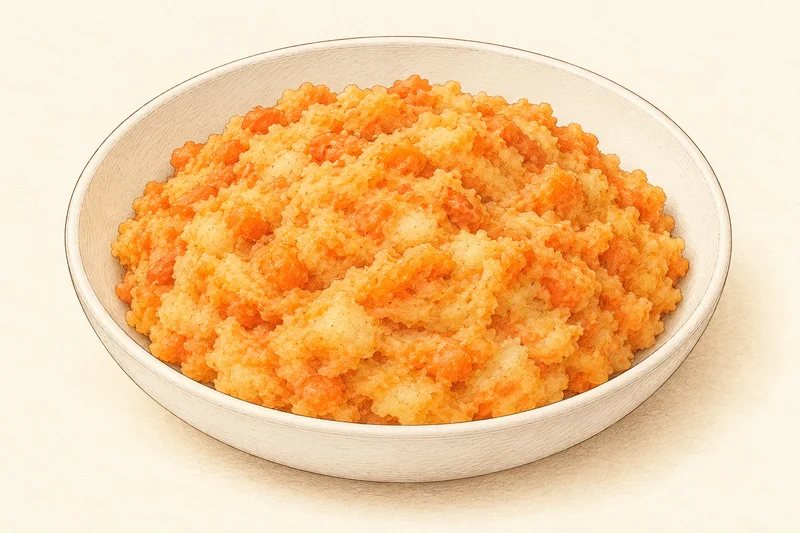
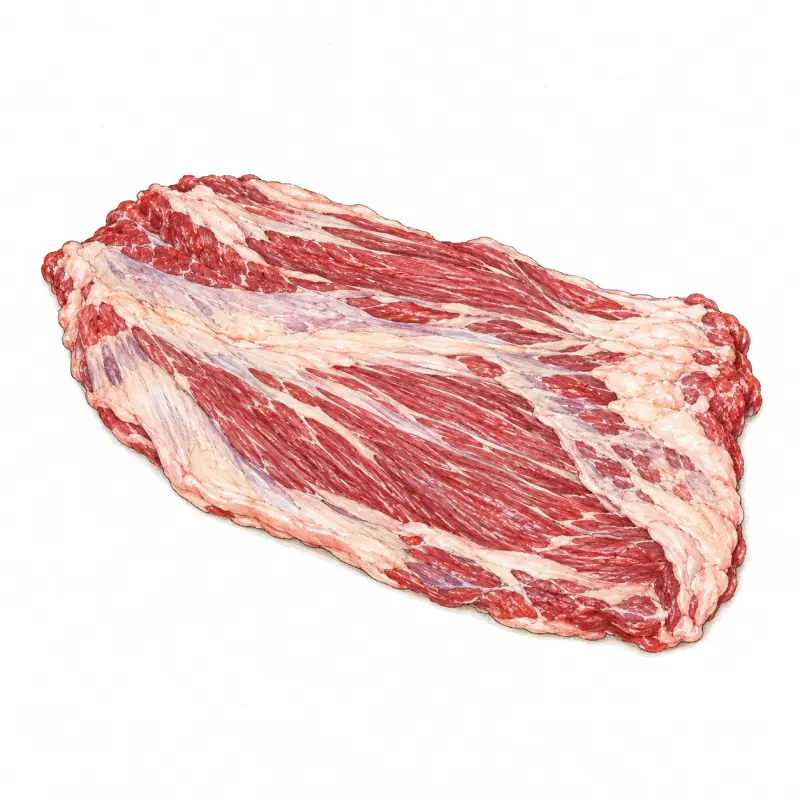
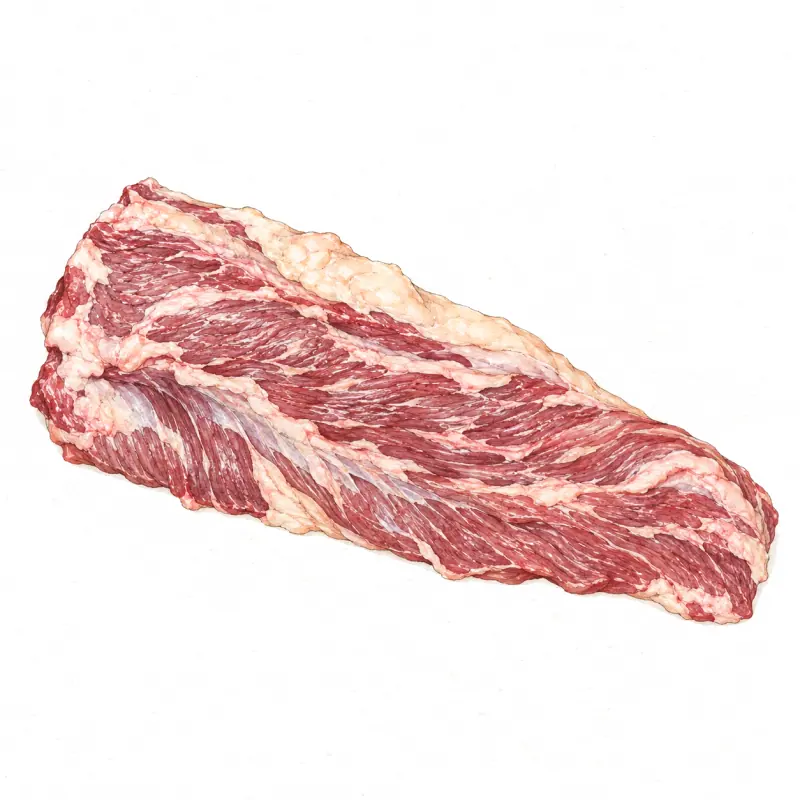
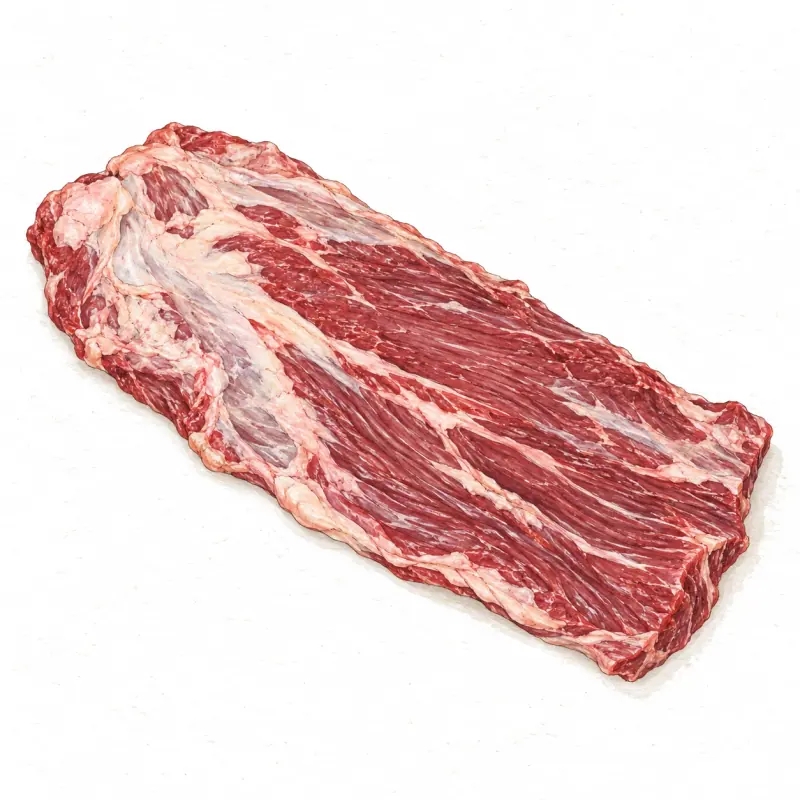
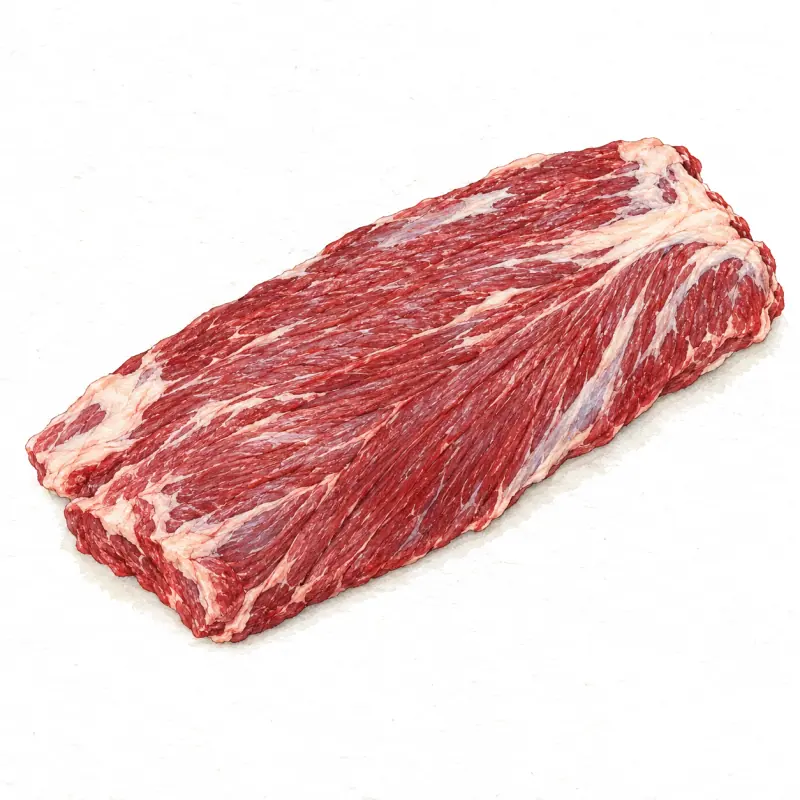
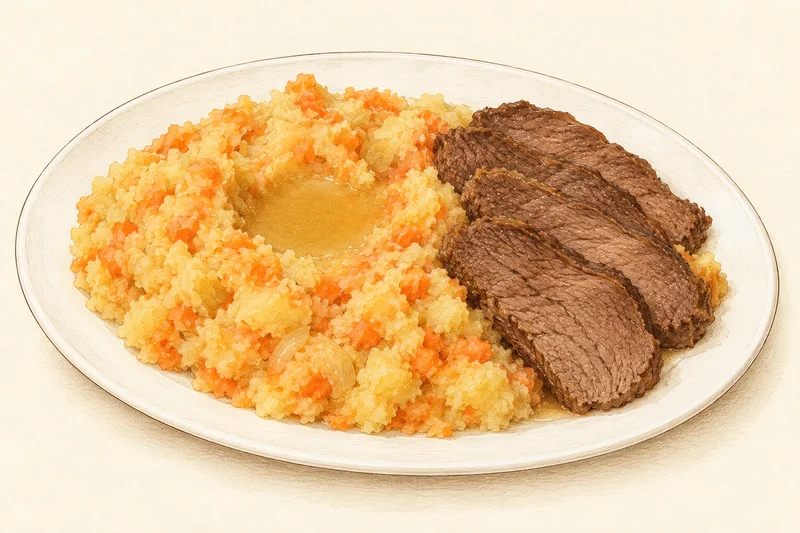
Potatoes, carrots and onions cooked under a piece of slowly simmered beef flank and mashed together with a little of the broth, with the sliced beef on top. The recipe and the story of Leiden's 3 October are from the Dutch food historian Janny de Moor.
- Servings
- 4
- Preparation
- 20 min
- Cooking
- 2 h 30
- Total
- 2 h 50
- Difficulty
- Easy
Equipment
- Large heavy pan with a lid
- Potato masher (stamper)
Ingredients
Method
Put the beef in the pan with the salt and 300 ml water. Bring to the boil, lower the heat, cover and simmer for 2 hours, until tender.
Timer · 2 h120:00Lift out the beef. Put the potatoes, carrots and onions in the pan, lay the beef on top, cover and simmer for 30 minutes.
Why The vegetables cook in the beef broth, and the meat steams on top and keeps warm.
Timer · 30 min30:00Pour off the cooking liquid and keep it. Take out the beef and slice it.
Mash the vegetables, adding a little of the cooking liquid until the mash is soft but not sloppy. Season with salt and pepper, pile onto plates, top with the beef and serve at once.
Why Hutspot is mashed coarsely: you should still see flecks of orange carrot.
To drink & serve with
In Leiden on 3 October it shares the day with herring and white bread (De Moor).
- Pilsner (Czech pale lager)
Editorial suggestion: a Dutch pilsner.
Substitutions
- Beef flank → Smoked sausage (rookworst) heated through at the end, a common modern partner; or leave out the meat and cook the vegetables in stock for a vegetarian mash.
- Carrots → Parsnips, closer to the old recipes, which De Moor says used no carrots at all.
Common mistakes
- Too much liquid in the mash: it turns to purée. Add the broth a little at a time.
- Cutting the carrots too large: they will not be soft when the potatoes are.
- Throwing away the broth: it seasons the mash.
Storage & reheating
Refrigerate within 2 hours and eat within 2 days. Reheat once, with a splash of the broth, until steaming hot.
Safety
None of the 14 declarable allergens. Cool leftovers quickly; mashed potato should not stand warm for long.
Allergens
None
Check labels: stock, bacon and sauces can contain further allergens.
Dietary
gluten-free · dairy-free
The pot the Spaniards left behind
Janny de Moor tells the story that every Dutch child knows. In 1574 Spanish troops besieged Leiden; the townspeople starved but held out until the Watergeuzen relieved the city on 3 October. Their rescuers brought herring and white bread, and Leiden still eats both on 3 October. According to oral tradition, the fleeing Spaniards left behind a cooking pot with a remnant of hutspot in it, and the hungry citizens found it.
De Moor is clear that this cannot have been today's dish. Potatoes were unknown in Holland in 1574 and orange carrots were not yet grown there. An old recipe she quotes uses chopped mutton or beef with greens or parsnips, prunes, citrus juice, ginger and butter. The name comes from hutsen, to shake, because the pot was shaken to mix it. Potatoes became the Dutch staple only in the 18th and 19th centuries, when hutspot turned into the mash of potatoes, carrots and onions with a little boiled beef that is eaten today.
How it connects
Place
- origin Leiden In preparation
Cut
- made with Flanchet (thin flank)
Potato
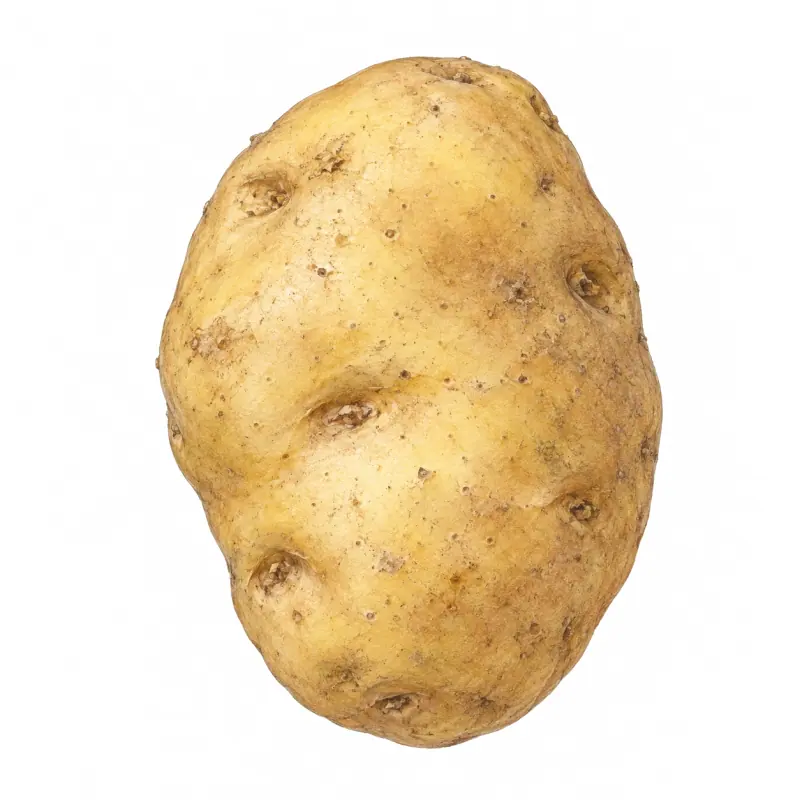
- made with Eigenheimer
Recipe
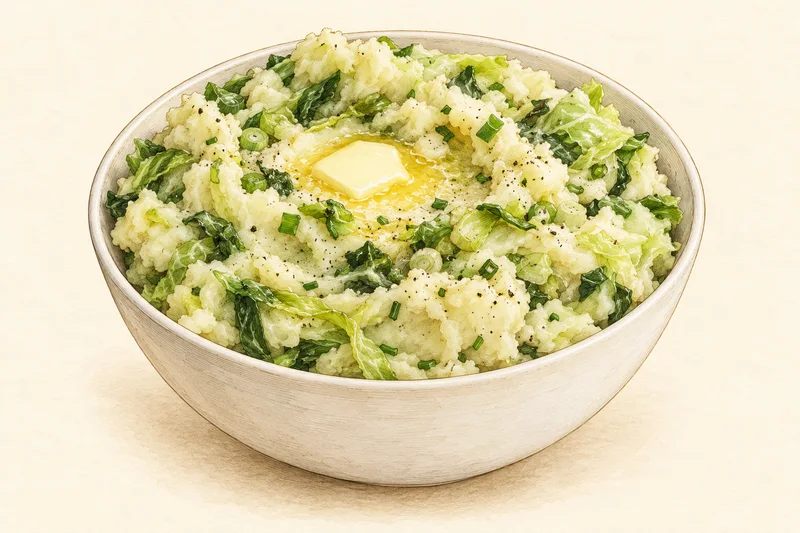
- similar Stoemp