Potatoes · Potato · Short entry
Eigenheimer
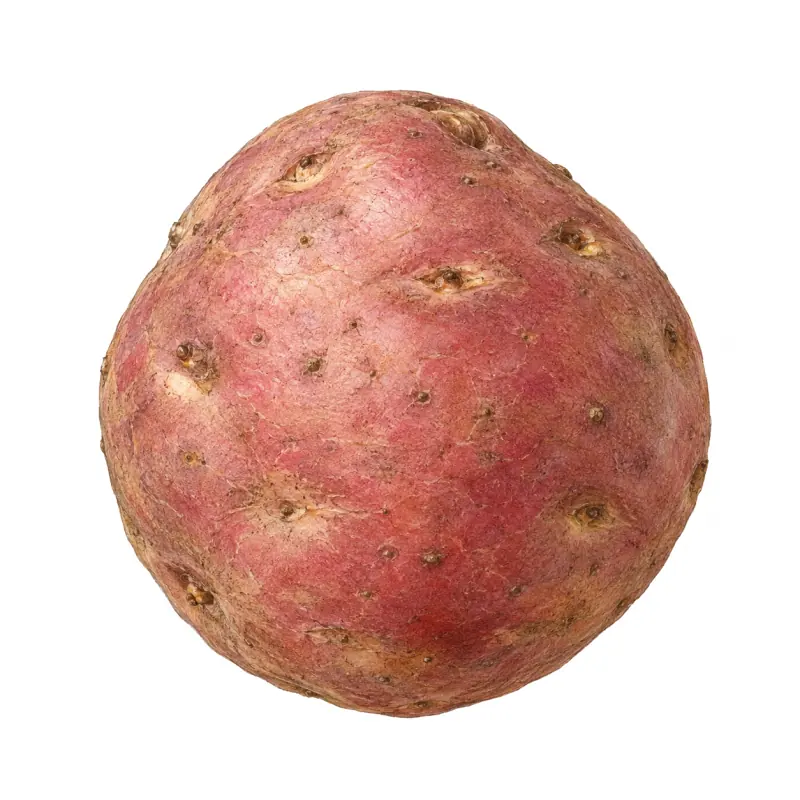
A floury, yellow-fleshed Dutch heritage potato from the breeder Geert Veenhuizen, introduced in the 1890s. The 1954 Dutch variety list counted it among the best eating potatoes on every soil type.
Origin
Geert Veenhuizen (1857–1930) was one of the best-known Dutch potato breeders and brought 94 new varieties into circulation, Eigenheimer among them. The 1954 Rassenlijst, quoted by the Centre for Genetic Resources, the Netherlands (CGN), gives the cross as Blauwe Reuzen x Fransen, made in 1890, with introduction in 1893.
The WUR Potato Pedigree Database gives a different second parent (Blaue Riesen x Jaune d'Or) and the year 1895. The two sources agree on the breeder and on the first parent, Blauwe Reuzen (Blaue Riesen in German).
In the field and the kitchen
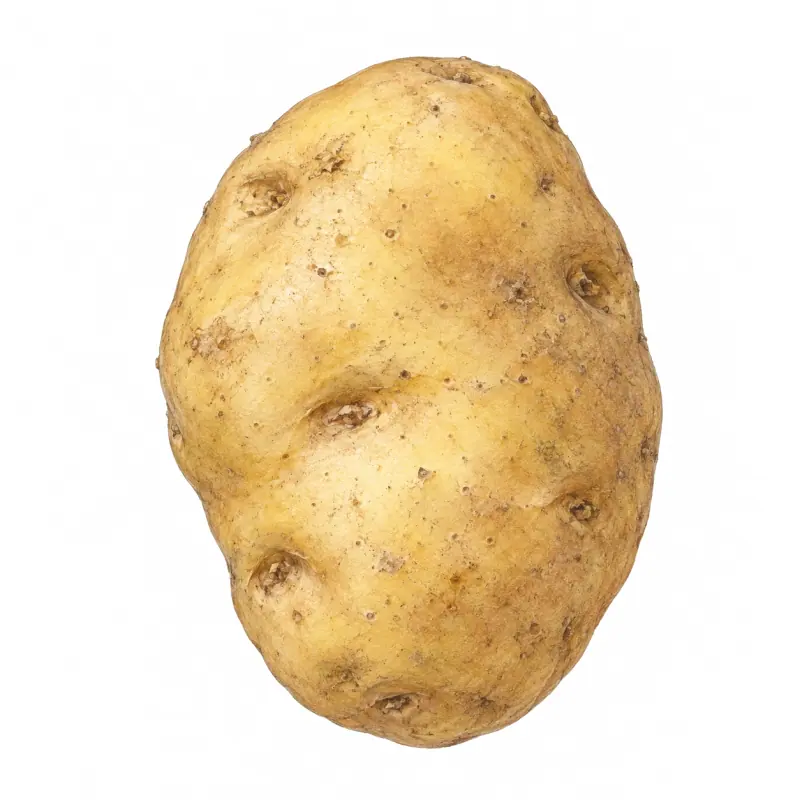
The 1954 list describes a mid-early, yellow-fleshed eating and export potato, grown on every soil type for its reliable harvest and its standing in the trade. Its good yield and starch content also made it useful as a feed and factory potato. The tubers are fairly numerous, somewhat irregular in size and shape, with medium-deep eyes.
In the kitchen it was rated among the best eating potatoes on all soils: nicely crumbly, floury and pure in colour. Well stored, it could be used until spring. The list rates it very susceptible to late blight in the tuber and to scab.