
Rice · Rice · Short entry
African rice (Oryza glaberrima)
The second cultivated rice species, domesticated from the wild Oryza barthii in the inland delta of the Upper Niger some 2,000–3,000 years ago, independently of Asian rice. Its small, pear-shaped grains usually have red bran; it is now grown mainly in pockets of West Africa.
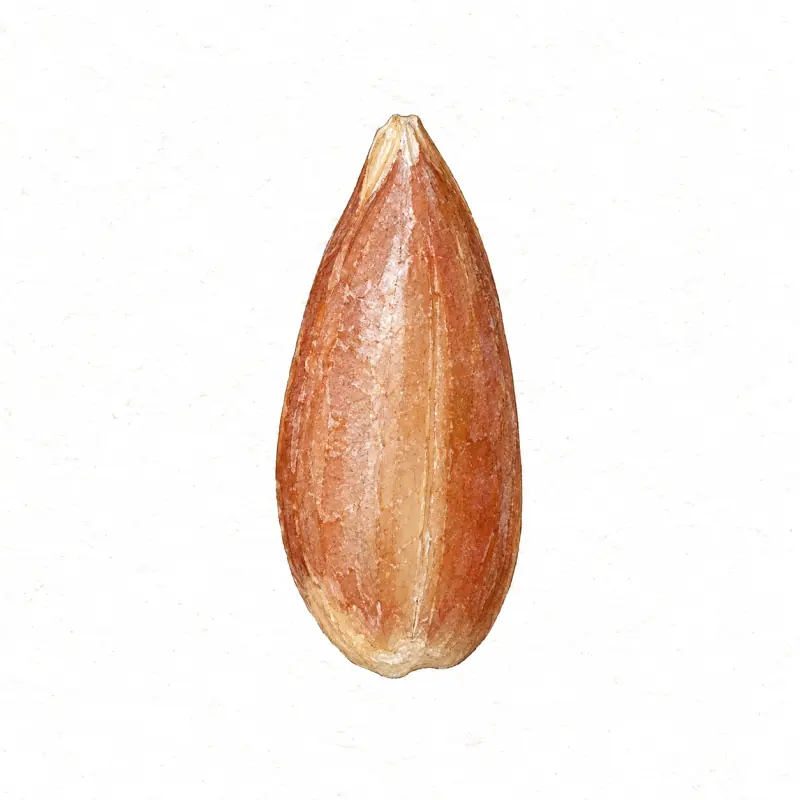
A separate domestication
Oryza glaberrima is thought to have been domesticated from the wild Oryza barthii by peoples of the floodplains at the bend of the Niger, in present-day Mali, 2,000–3,000 years ago; Asian rice was domesticated independently. From there it spread to secondary centres on the Gambia–Casamance–Guinea-Bissau coast and in the Guinea forest between Sierra Leone and western Côte d'Ivoire. Portuguese visitors in the 15th and 16th centuries admired West African wet-rice farming with dikes and transplanting.
African rice generally has small pear-shaped grains with red bran and an olive-to-black seed coat. Compared with Asian rice its seed scatters easily, its grain is brittle and hard to mill and its yields are lower, so it has been widely replaced. Some farmers, including the Jola of southern Senegal, still grow it for ritual use. Grain dimensions on this page are estimated from the "small grain" description.
How it connects
Continue exploring
- CountryMali1 entry in the atlas so far
- StoryCereals: the grasses that fed the worldTurkey
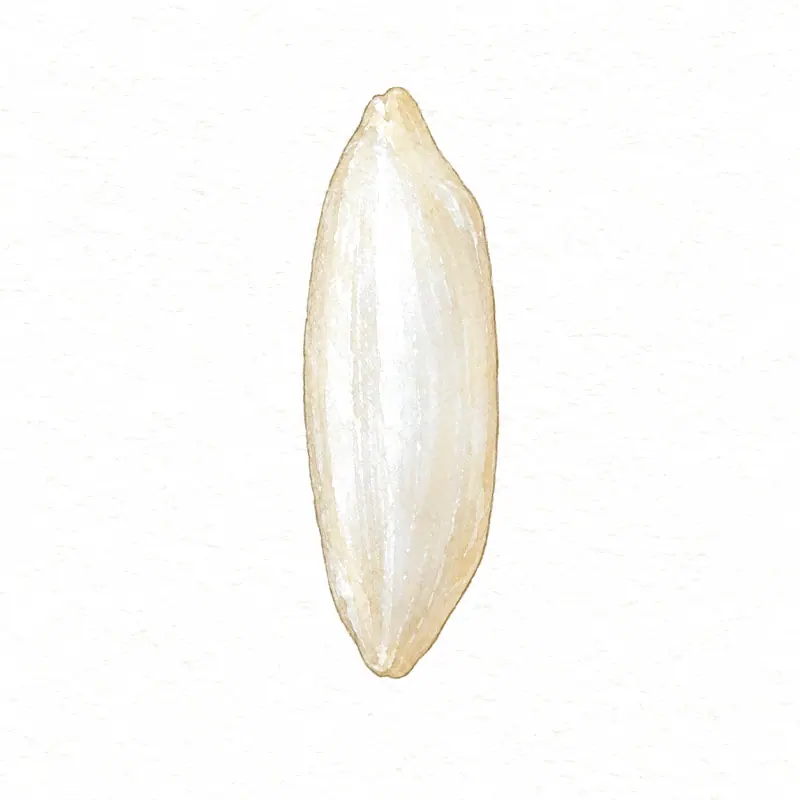 RiceNERICA (New Rice for Africa)Côte d'Ivoire, Ivory Coast
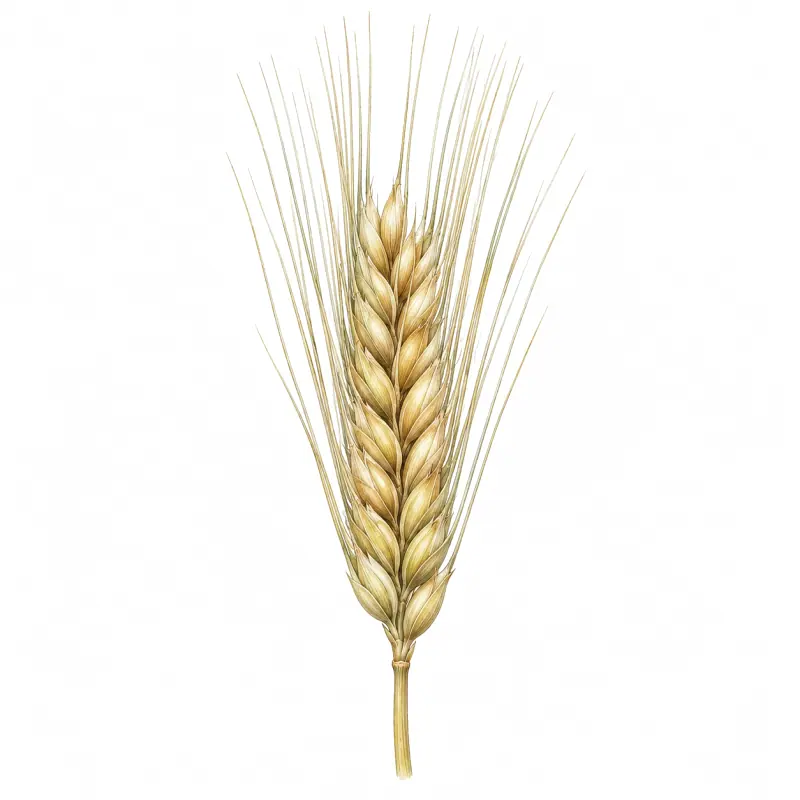 IngredientBarleyHordeum vulgare
- StyleBourbon whiskeyLegal category
 RecipeSoft polentaNorthern Italy, Italy
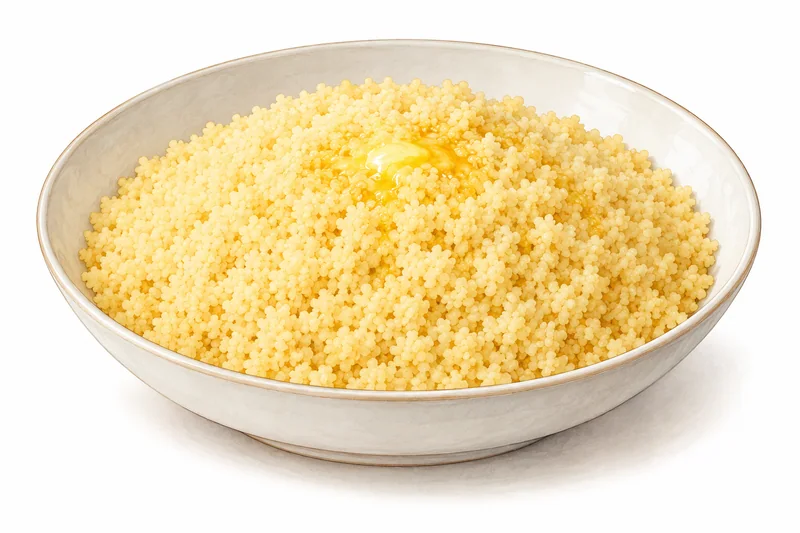 RecipeSteamed couscousMaghreb, Morocco
- StoryLegumes: lentils, beans and the plants that feed the soilTurkey
- StoryMeat and butchery: from the first herds to the packing houseUnited States of America
- StoryRoots and tubers: cassava, sweet potato, yam, taro and the Andean cropsPapua New Guinea