
Explore the world · Recipe · Maghreb · Reference page
Steamed couscous
كسكس
Couscous moistened with saffron water and steamed twice over spiced water in a couscoussier, the grains rubbed apart by hand and finished with butter. Hassan M'Souli's Moroccan method for SBS Food serves four.
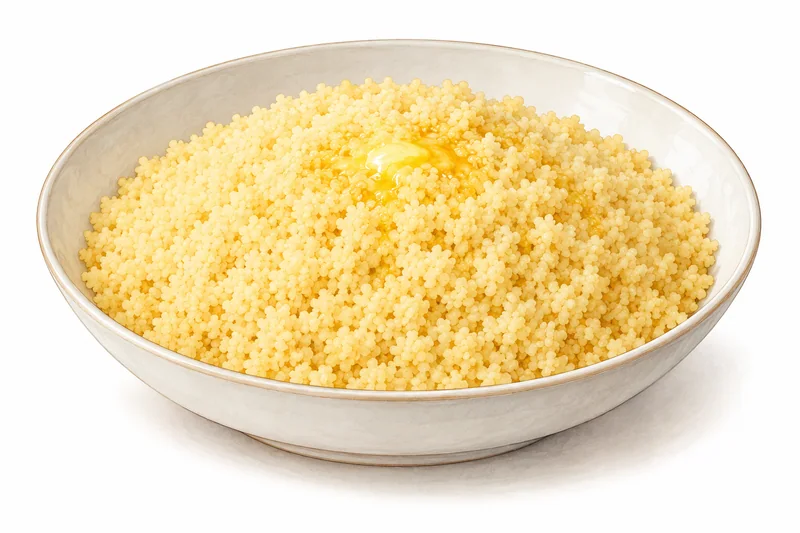
- Servings
- 4
- Preparation
- 45 min
- Cooking
- 45 min
- Total
- 1 h 30
- Difficulty
- Easy
Equipment
- Couscoussier (a pot with a steamer top), or a large pot with a snug colander
- Cheesecloth or a strip of cloth to seal the joint
- Wide shallow bowl; small saucepan
Ingredients
Steaming liquid
Couscous
Method
Pour the 3 litres of water into the base of the couscoussier with half the salt, the bay leaves, peppercorns and cinnamon. Bring to the boil. Heat the remaining litre of water with the rest of the salt in a saucepan until almost boiling.
Put the couscous in a shallow bowl and pour over half the saffron water. Leave 10 minutes, stir gently with a wooden spoon, then rub the grains apart with your fingers to break up any lumps.
Why Moistening first lets the grains swell evenly; rubbing them apart is what makes couscous light.
Timer · 10 min10:00Wrap cheesecloth around the rim of the base and set the top in place so no steam escapes at the join. Spread the couscous evenly in the top. When steam rises through the grain, steam uncovered for 5 minutes.
Why Steam must pass through the grain, not around it; start timing only when it shows on top.
Timer · 5 min5:00Tip the couscous into the bowl, stir in 250 ml of the remaining saffron water and leave 10 minutes. Return it to the top and steam 5 minutes more.
Timer · 15 min15:00Tip it into the bowl again, add the rest of the saffron water, separate the grains with your fingers and rub in the butter.
Why Fat added at the end coats the grains and keeps them separate.
Substitutions
- Butter → Extra virgin olive oil or smen (Moroccan aged butter), as the source suggests.
- Water in the base → For a savoury dish, the source suggests vegetable, fish or meat stock, flavoured with bay, peppercorns, onion and garlic.
Common mistakes
- Covering the couscous while it steams: condensation drips back and makes it soggy.
- Skipping the hand-rubbing: the grains clump.
Storage & reheating
Keeps up to a week in the fridge, the source says; serve hot or cold.
Safety
Hot steam escapes at the join: use oven gloves when lifting the steamer.
Allergens
Gluten · Milk
Check labels: stock, bacon and sauces can contain further allergens.
Dietary
vegetarian
A shared heritage of the Maghreb
In 2020 UNESCO inscribed the knowledge, know-how and practices of couscous production and consumption on its Representative List of the Intangible Cultural Heritage of Humanity, on a joint nomination by Algeria, Mauritania, Morocco and Tunisia. UNESCO describes a process that starts with growing the cereal and milling it to semolina, which is then rolled by hand, steamed and cooked, with clay and wooden utensils made by potters and artisan workshops.
The accompanying vegetables and meats change with region, season and occasion; the steamed grain is the constant.
Two steamings
Hassan M'Souli, chef of Sydney's Out of Africa restaurant, steams the couscous twice over water flavoured with bay, pepper and cinnamon. The grain is moistened with saffron water before each steaming and rubbed apart by hand after; it steams uncovered, and the timing starts only when steam comes through the top. Butter is rubbed in at the end.
How it connects
Place
- origin Maghreb In preparation
Recipe
Story
Continue exploring
- CountryMorocco3 entries in the atlas so far
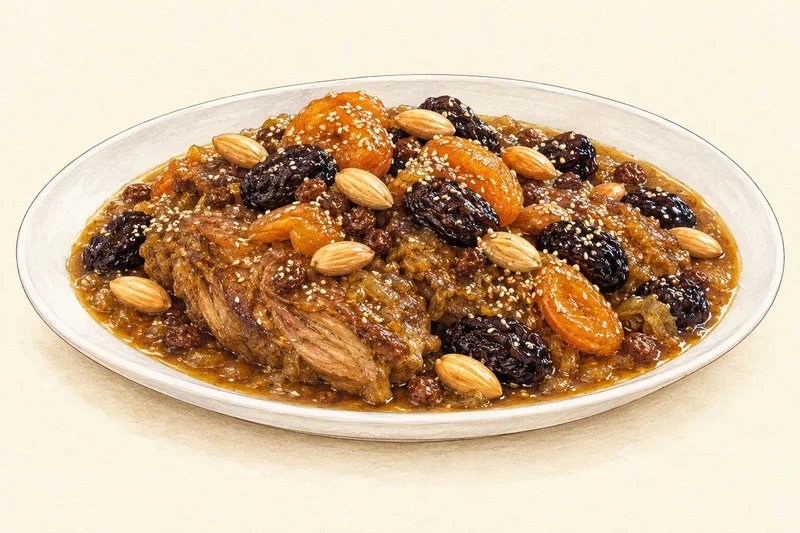 RecipeLamb tagine with apricots and prunes (mrouzia)Morocco
- StoryCereals: the grasses that fed the worldTurkey
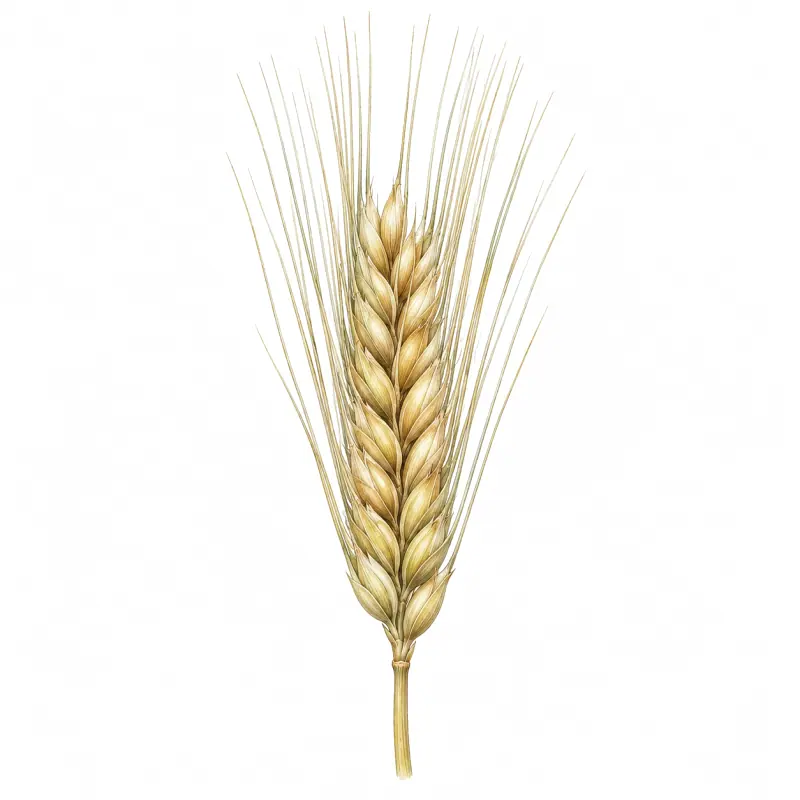 IngredientBarleyHordeum vulgare
- StyleBourbon whiskeyLegal category
- RecipeMoroccan fish tagine with chermoulaMorocco
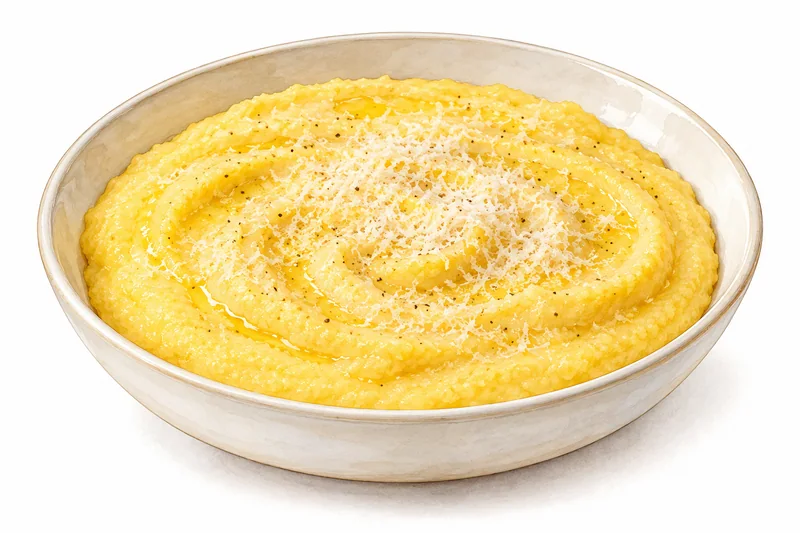 RecipeSoft polentaNorthern Italy, Italy
- StoryLegumes: lentils, beans and the plants that feed the soilTurkey
- StoryMeat and butchery: from the first herds to the packing houseUnited States of America
- StoryRoots and tubers: cassava, sweet potato, yam, taro and the Andean cropsPapua New Guinea