Explore the world · Recipe · Alsace · Reference page
Tarte flambée
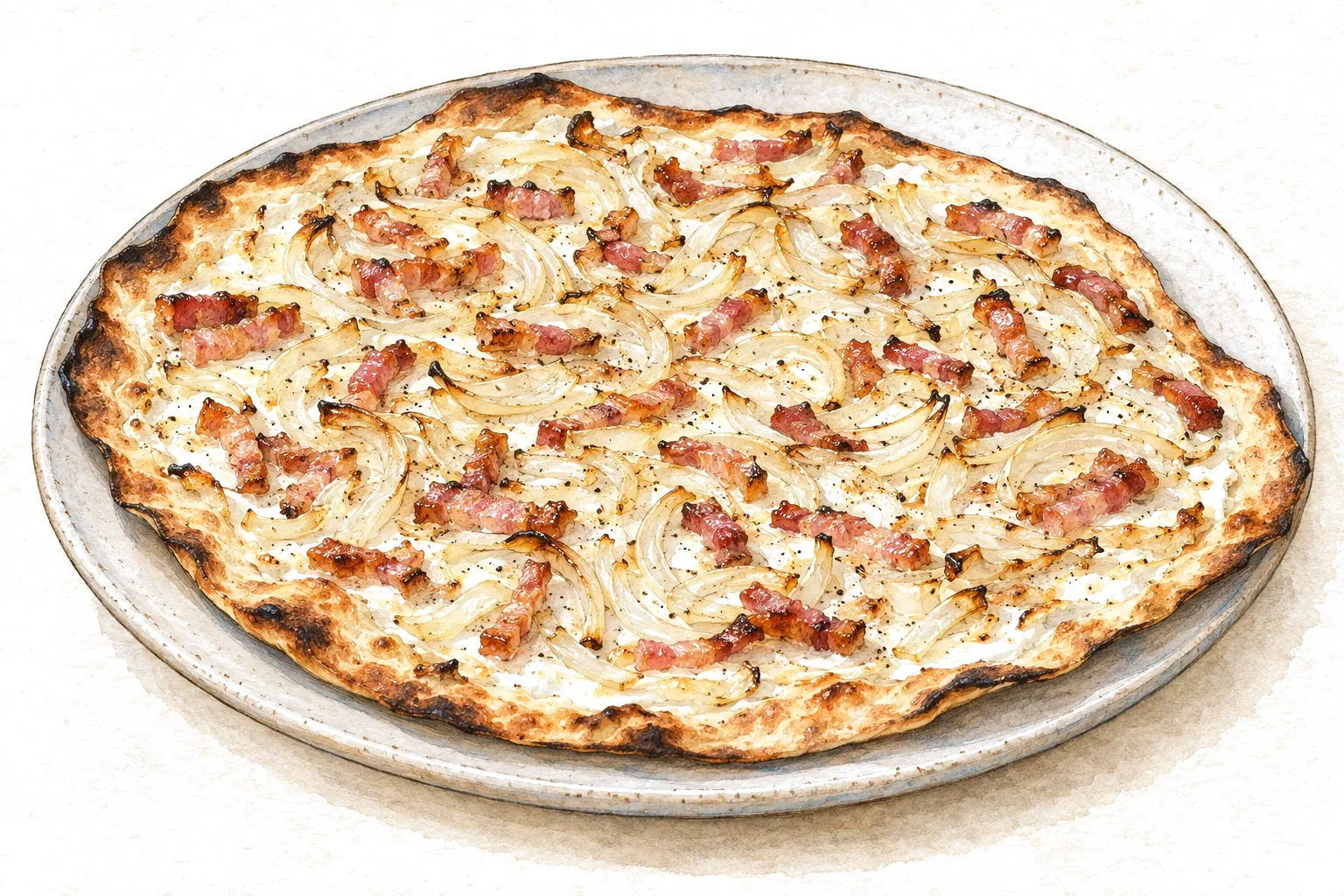
A very thin unleavened dough spread with crème fraîche and fromage blanc, scattered with onion and smoked lardons, and baked for a few minutes in a very hot oven. A peasant dish of Alsace, once baked in the village bread oven and eaten with the hands.
- Servings
- 2
- Preparation
- 25 min
- Cooking
- 12 min
- Resting
- 30 min
- Total
- 1 h 7
- Difficulty
- Easy
Equipment
- Two baking sheets (or a pizza stone or steel) and baking paper
- Rolling pin
- Mixing bowl
Ingredients
Dough
Topping
Method
Mix the flour and salt, add the oil, then the lukewarm water a little at a time. Knead about 5 minutes until smooth and slightly elastic. Cover and rest 30 minutes at room temperature.
Why Resting relaxes the gluten so the dough can be rolled very thin without shrinking back.
Timer · 30 min30:00Heat the oven to 250 °C, with a pizza stone or steel inside if you have one. Mix the fromage blanc and crème fraîche with a little salt and pepper.
Divide the dough in two and roll each piece as thin as you can (2 mm or less) into a round or rectangle. Lay each on baking paper.
Why Thinness is the dish: the base should be crisp, with browned, slightly charred edges.
Spread the cream mixture thinly to the edges, then scatter the onions and lardons evenly over it.
Bake one at a time for 5–6 minutes, until the edges are crisp and browned and the lardons sizzle. Serve at once, cut in squares, and eat with your hands.
Timer · 6 min6:00
To drink & serve with
- Alsace
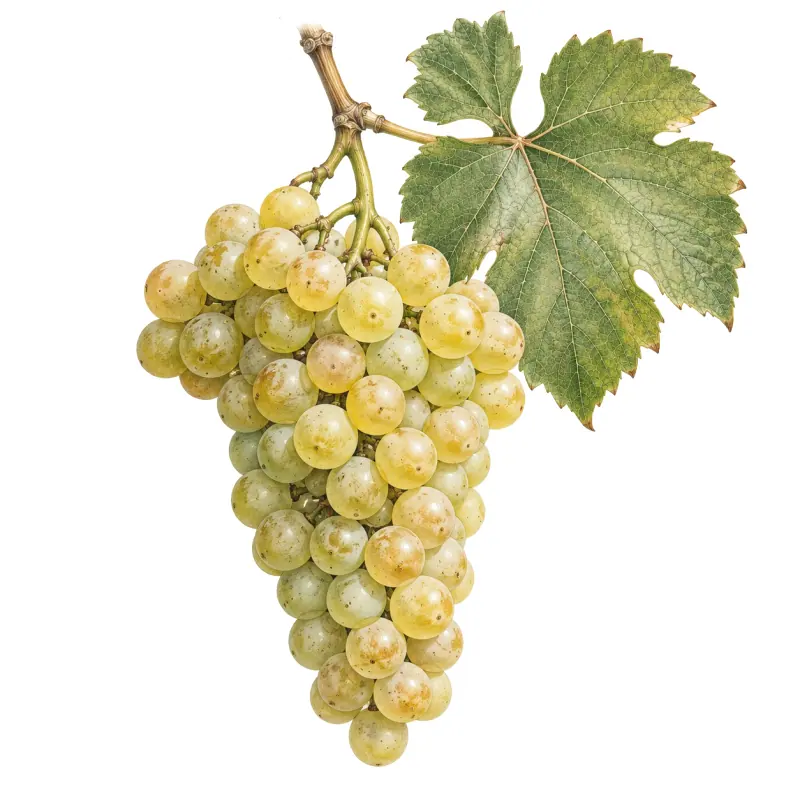
A dry Alsace white, Sylvaner or Pinot Blanc, or a light Alsace beer.
Substitutions
- Fromage blanc → All crème fraîche (richer), or thick unsweetened yoghurt mixed with crème fraîche.
- Lardons (vegetarian version) → Leave them out; the onions and cream alone are traditional enough. Grated Gruyère gives a gratinée version and pieces of Munster another.
Common mistakes
- Rolling the dough too thick: it becomes a pizza. It should be almost transparent.
- Piling on the topping: the base goes soggy. Spread the cream thin.
- A cool oven: the tart dries out before it browns. Use the hottest setting.
Storage & reheating
Eat straight from the oven. The dough can be made a few hours ahead and kept covered in the fridge; bring it back to room temperature before rolling.
Safety
Very hot oven and baking steel: use oven gloves. Allergens: gluten (flour) and milk (fromage blanc, crème fraîche).
Allergens
Gluten · Milk
Check labels: stock, bacon and sauces can contain further allergens.
From the bread oven
The tarte flambée, flammekueche in Alsatian, is a peasant dish. It was baked in the village baker's wood-fired bread oven, where the flames scorched the edges of the dough. Le Routard notes that strictly it should be called flammée (licked by flames) rather than flambée (flamed with spirits), since nothing is set alight. Like pizza in Italy, it is eaten with the hands.
The topping is fixed in its essentials: a thin layer of crème fraîche or fromage blanc, onion and smoked lardons. A gratinée version adds Gruyère; another adds pieces of Munster.
Thin and very hot
The dough is a simple, yeast-free mix of flour, water, salt and oil, rested to relax the gluten and rolled almost transparent. A bread oven gave the base intense heat from below; at home, the best substitute is the hottest oven setting with a preheated stone or steel. At 250 °C the tart bakes in 5–6 minutes, before the cream separates: the onions soften without colouring much and the lardons render a little fat into the cream.
Keep the cream layer thin. A thick layer releases water as it heats and the crisp base turns soft.
How it connects
Wine region
- origin Alsace
Continue exploring
- CountryFrance162 entries in the atlas so far
- Wine regionAlsaceColmar, France
 RecipeBaeckeoffeAlsace, France
 RecipeChoucroute garnieAlsace (Krautergersheim), France
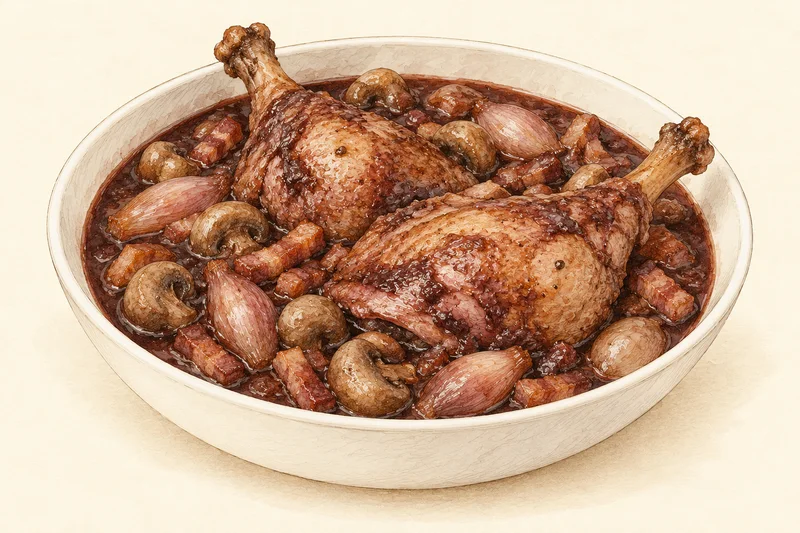 RecipeCoq au vinBurgundy, France
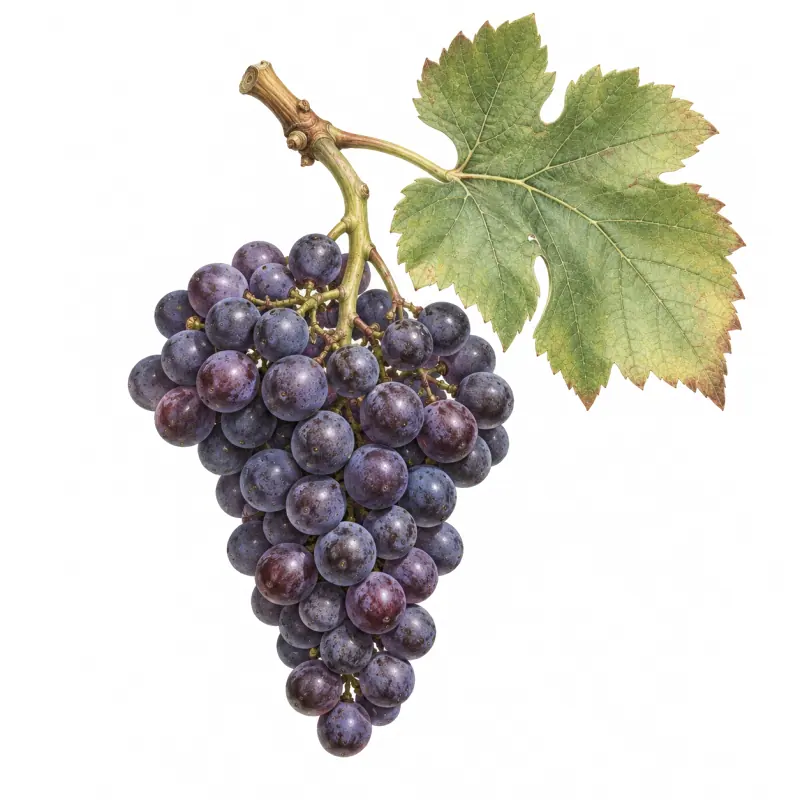 Grape varietyPinot Noir
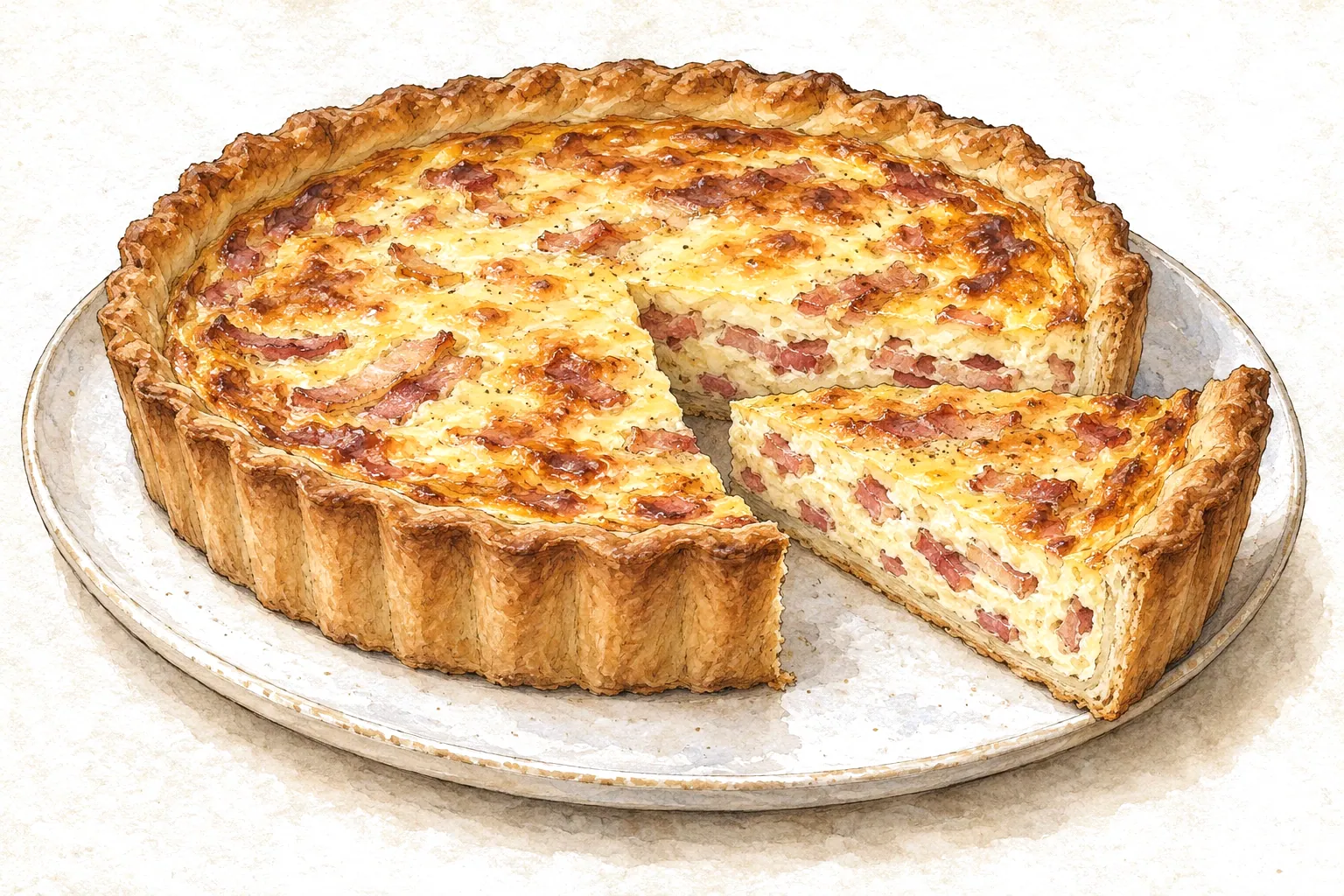 RecipeQuiche lorraineLorraine, France
- Wine regionAlsace Grands CrusFrance
- Wine regionCrémant d'AlsaceFrance