Explore the world · Recipe · Lorraine · Reference page
Quiche lorraine
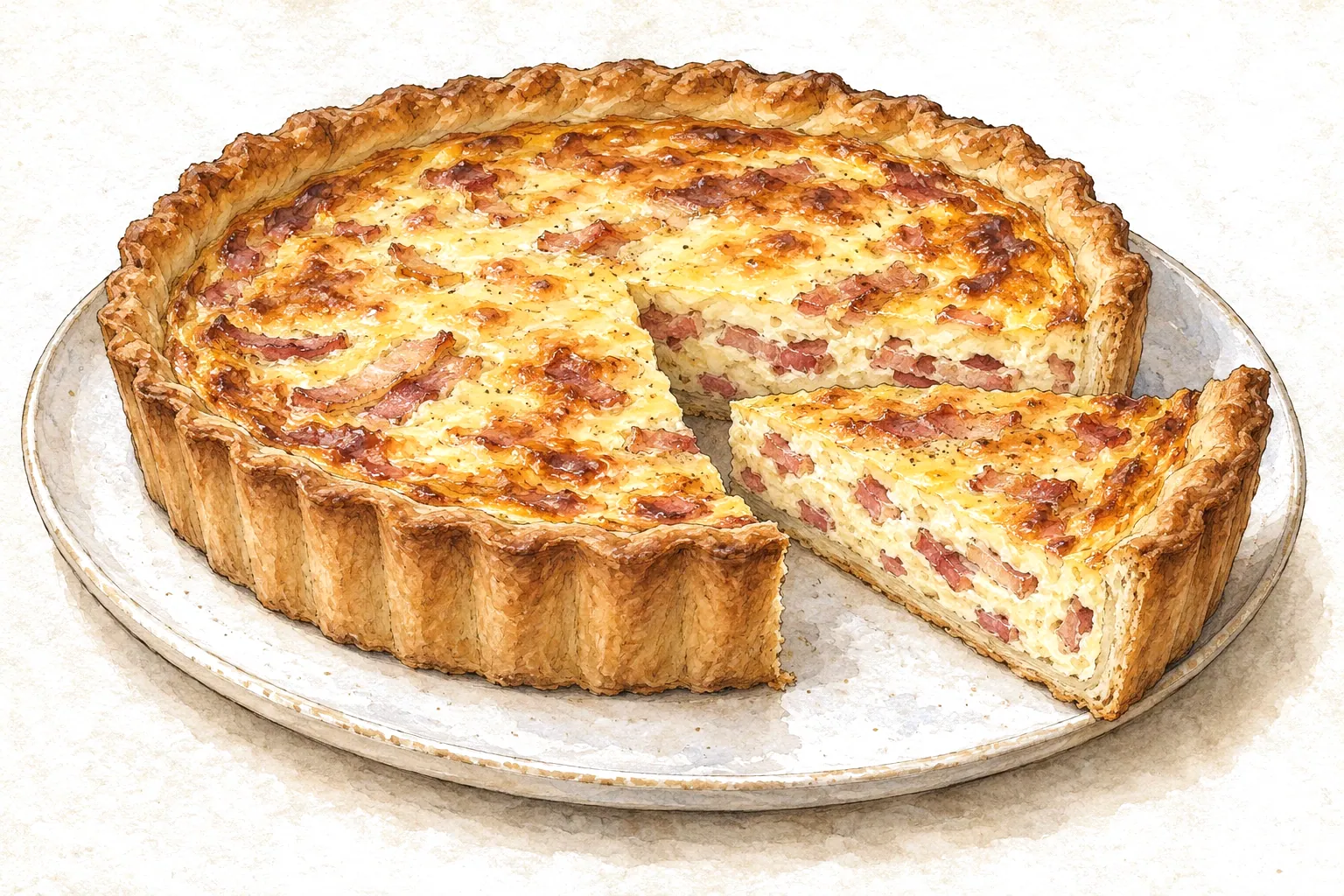
A shortcrust case lined with lightly fried bacon and filled with cream and egg, baked until barely set and eaten warm. Escoffier's version has no cheese: he calls Gruyère optional and outside the local principle.
- Servings
- 6
- Preparation
- 30 min
- Cooking
- 50 min
- Resting
- 45 min
- Total
- 2 h 5
- Difficulty
- Moderate
Equipment
- Tart tin or flan ring 20 cm across with fairly high sides (about 3 cm), buttered
- Rolling pin; baking paper and baking beans for blind baking
- Frying pan; mixing bowl and whisk
Ingredients
Pastry (pâte à foncer)
Filling
Method
Make the pastry: rub or cut the butter into the flour and salt, add the water and bring together. Push the dough away from you in small pieces with the heel of your hand (fraisage) twice, gather it into a ball, wrap and chill 30 minutes.
Why Escoffier's fraisage blends butter and flour evenly and makes the paste smooth without long kneading, which would make it tough.
Timer · 30 min30:00Heat the oven to 190 °C. Roll the pastry about 3 mm thick and line the buttered tin, keeping the rim high. Prick the base, line with paper and beans and bake 15 minutes; remove the paper and beans and bake 5 minutes more. Lower the oven to 180 °C.
Why Escoffier puts the raw filling straight into raw pastry, which a professional oven with hot sole plates can bake through. In a domestic oven, a short blind bake keeps the base from going soggy under 400 ml of liquid. This is our departure from his method.
Timer · 20 min20:00Blanch the bacon 1 minute in boiling water if it is very salty, drain and dry. Fry it lightly in the butter until it just takes colour; it should stay supple. Spread it over the pastry base.
Timer · 4 min4:00Whisk the cream, eggs and salt (and nutmeg if used) until just combined, without making it foamy. Pour it over the bacon and dot the top with the butter.
Bake at 180 °C for 30–35 minutes, until the filling is puffed, golden in patches and set at the edges with a slight wobble in the centre.
Why Egg custard sets gently; too hot or too long and it curdles and weeps. Escoffier gives 30–33 minutes in a 'moderate oven'.
Timer · 32 min32:00Let it cool for 15 minutes, until warm rather than hot, then cut into wedges.
Why Escoffier cuts the quiche 'when it is no more than lukewarm': the custard firms as it cools and slices cleanly.
Timer · 15 min15:00
To drink & serve with
- Alsace
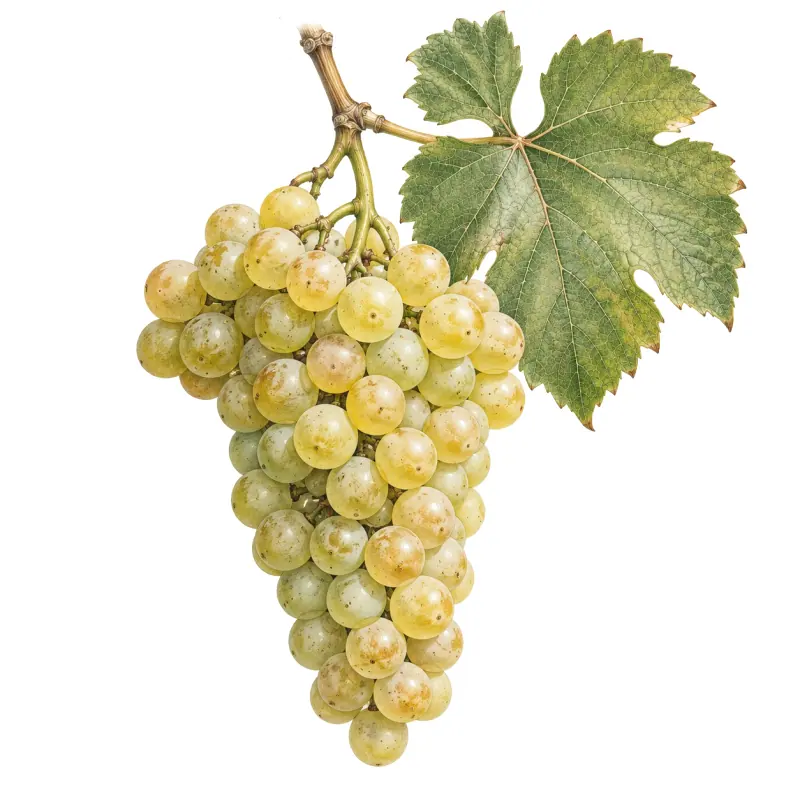
A dry white from eastern France: a Côtes de Toul gris from Lorraine, or a dry Alsace Pinot Blanc or Riesling.
A green salad is the usual accompaniment.
Substitutions
- Smoked bacon → Unsmoked streaky bacon or pancetta. Without bacon the dish is no longer a quiche lorraine.
- Crème fraîche → Double cream, or half cream and half whole milk for a lighter, softer custard.
Common mistakes
- Adding grated cheese and onions: common, but not part of the local recipe Escoffier records.
- Overbaking until the centre is firm: the custard turns grainy and watery.
- Cutting it hot: the filling runs.
Storage & reheating
Best warm on the day. Cool quickly, refrigerate within 2 hours and eat within 2 days; reheat gently at 160 °C.
Safety
The custard should be set at the edge and only just trembling in the centre; it reaches well above 70 °C when baked this way. Cool leftovers within 2 hours. Allergens: gluten (flour), egg and milk (butter, cream).
Allergens
Gluten · Egg · Milk
Check labels: stock, bacon and sauces can contain further allergens.
The local principle
Escoffier's Guide culinaire puts the quiche à la lorraine among the hot hors d'œuvre. He lines a fluted tart tin, or a flan ring of 18–20 cm with a fairly high rim, with ordinary shortcrust (pâte à foncer), covers the base with thin slices of blanched bacon lightly fried in butter, and fills it with 4 decilitres of cream, 3 small eggs and a pinch of salt, dotted with butter. It bakes 30–33 minutes in a moderate oven and is cut into triangles when lukewarm. One quiche of that size, he says, serves ten.
He allows slices of Gruyère between the bacon, but calls the addition optional and "outside the local principle". Many modern recipes add cheese or onion; his does not. The same custard on a slice of ham, baked in tartlet cases, gives his petites quiches au jambon.
Cream, egg and a crisp base
The filling is a custard with a high ratio of cream to egg, so it sets soft and trembling rather than firm. Bake it gently: overcooked egg custard tightens and squeezes out water, which makes it grainy and wet. Take the quiche out when the centre still wobbles; it finishes setting as it cools.
Escoffier's pastry is 500 g flour, 250 g butter, 10 g salt and 2 decilitres water, worked by fraisage, and he takes 200 g of paste for a 20 cm flan ring. He fills the raw case; most home cooks today bake the case blind first, because domestic ovens have less bottom heat than a professional range. The recipe here does that, and says so.
How it connects
Place
- origin Lorraine In preparation
Wine region
- pairs with Alsace
Continue exploring
- CountryFrance162 entries in the atlas so far
- Wine regionAlsaceColmar, France
 RecipeBaeckeoffeAlsace, France
 RecipeChoucroute garnieAlsace (Krautergersheim), France
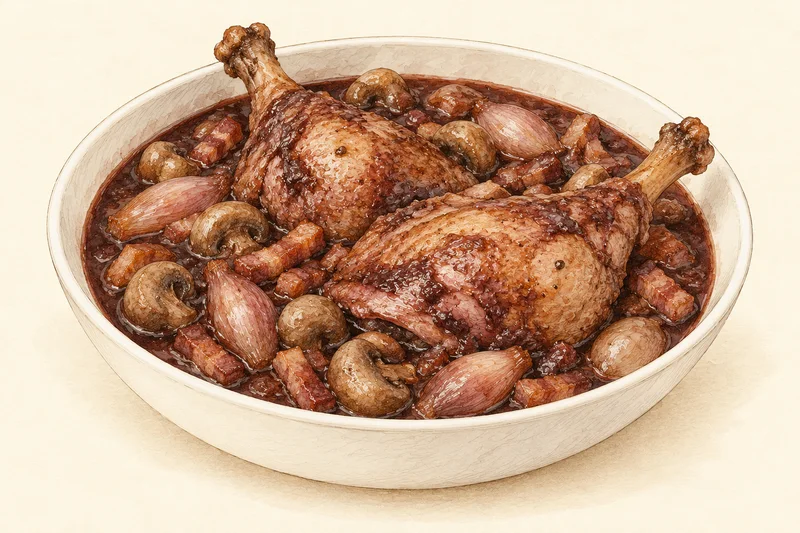 RecipeCoq au vinBurgundy, France
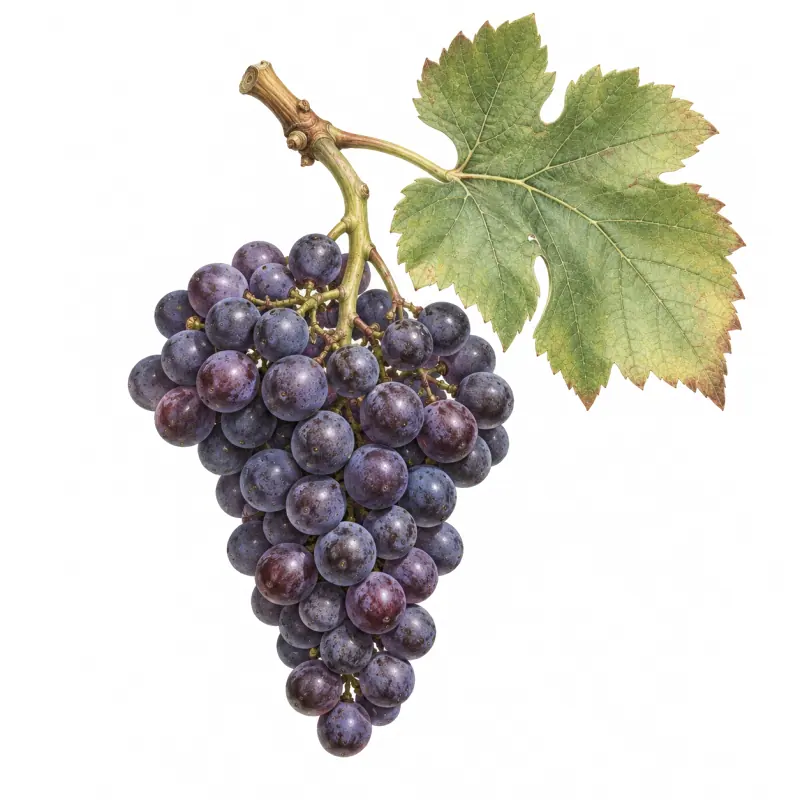 Grape varietyPinot Noir
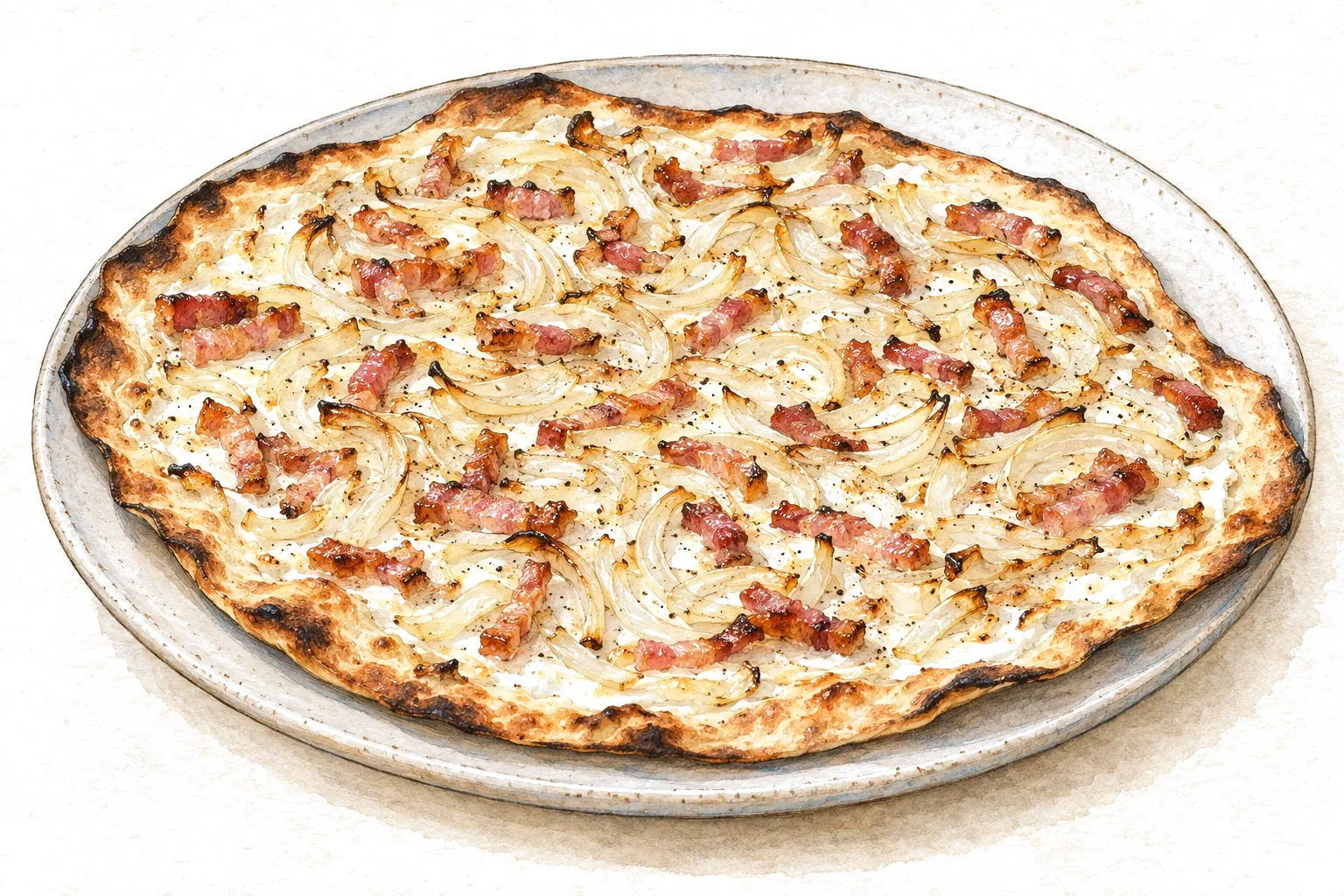 RecipeTarte flambéeAlsace, France
- Wine regionAlsace Grands CrusFrance
- Wine regionCrémant d'AlsaceFrance