
Explore the world · Recipe · Belgium · Reference page
Rijstpap (Flemish rice pudding)
rijstpap
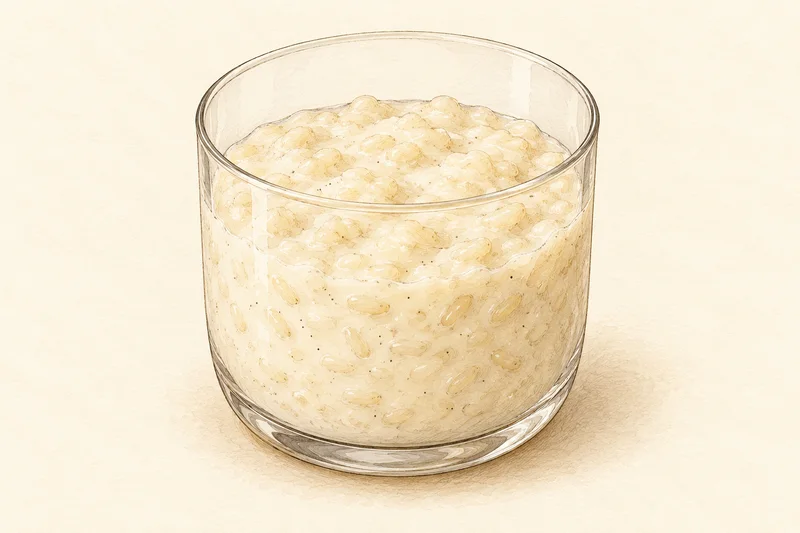
Rice simmered slowly in milk with vanilla until thick and creamy, sweetened at the end and served cold: Flanders' rijstpap, in the 16th century a luxury coloured with saffron. Jeroen Meus thickens his with a little custard powder and mascarpone.
- Servings
- 4
- Preparation
- 10 min
- Cooking
- 45 min
- Resting
- 2 h
- Total
- 2 h 55
- Difficulty
- Easy
Equipment
- Heavy-based saucepan
- Wooden spoon
- Serving glasses or a bowl
Ingredients
Method
Bring the milk, rice and vanilla seeds slowly to the boil over a gentle heat, then cook 40 minutes, stirring now and then.
Why A slow simmer lets the rice release its starch into the milk without catching on the bottom.
Timer · 40 min40:00When the rice is cooked, stir in the sugar.
Why Sugar added at the start slows the rice softening.
Stir in the custard powder slaked in a little milk and let the pudding thicken a little more on the heat.
Timer · 3 min3:00Stir in the mascarpone and leave to cool. Serve cold in glasses.
Timer · 2 h120:00
Substitutions
- Custard powder and mascarpone → Leave them out for a plain milk-and-rice pap; cook a little longer for thickness.
- Vanilla → In the 16th century saffron and cinnamon flavoured the dish (Meulemeester); no source here gives quantities for a saffron rijstpap.
Common mistakes
- Cooking too fast: the milk boils over and the rice sticks and burns.
- Serving straight from the pan: it thickens a lot as it cools.
Storage & reheating
Covered in the fridge for up to 3 days.
Allergens
Milk
Check labels: stock, bacon and sauces can contain further allergens.
Dietary
vegetarian · gluten-free
Eaten with golden spoons
In Pieter Bruegel's Peasant Wedding (about 1567) two men carry bowls of porridge to the table, and there are no spoons: guests brought their own. Jean-Luc Meulemeester, writing in Vlaanderen in 2006, says the thin rice porridge served at Flemish weddings in the second half of the 16th century was a luxury: rice and cane sugar were costly, and saffron, which gave it its yellow colour, was the dearest spice of the late Middle Ages, twice the price of pepper. Hence the Flemish saying that in heaven rice pudding is eaten with golden spoons. Rice appears in the accounts of the Sint-Janshospitaal in Bruges in 1425–1426 as an exotic import.
Slow milk, sugar last
Meus cooks 150 g of dessert rice in a litre of milk with vanilla over a low heat for 40 minutes, stirring now and then, and adds the sugar only when the rice is soft. A spoon of custard powder and some mascarpone make his pap thick and rich; he serves it in glasses with fruit, cream and almonds.
How it connects
Region
- origin Belgium
Recipe
- related Tarte au riz de Verviers
Continue exploring
- CountryBelgium46 entries in the atlas so far
- RegionBelgiumBelgium
 RecipeTarte au riz de VerviersVerviers, Belgium
 RecipeBelgian fritesBelgium
 RecipeBoulets à la liégeoiseLiège, Belgium
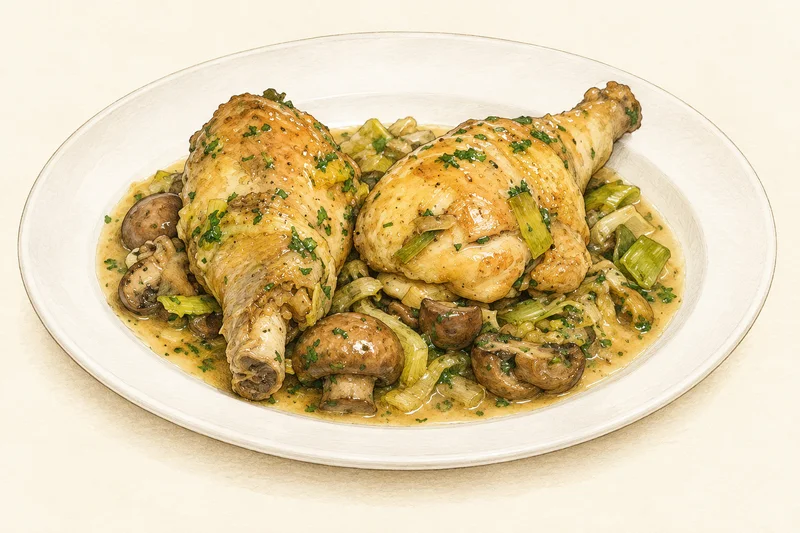 RecipePoulet à la bièreBelgium
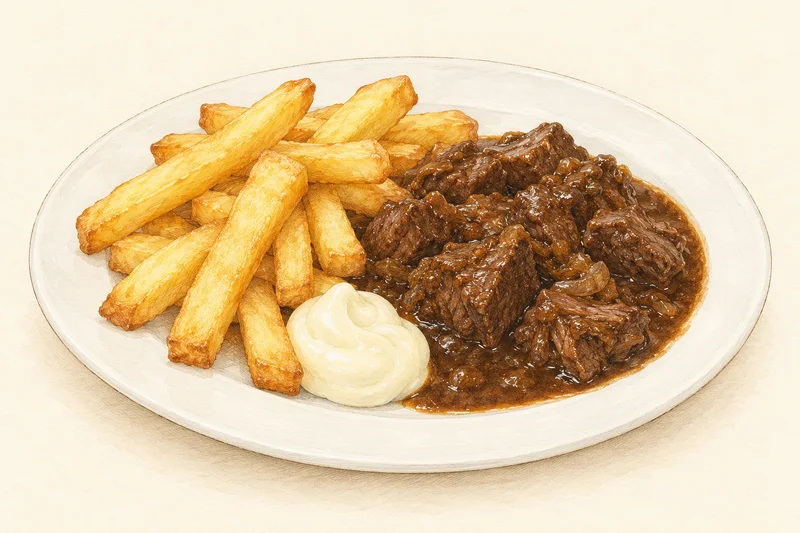 RecipeStoofvleesBelgium
- StoryA history of beer
- StyleGueuze (Oude Geuze)Recognised style
- StyleLambicRecognised style