Rice · Recipe · Guangdong · Reference page
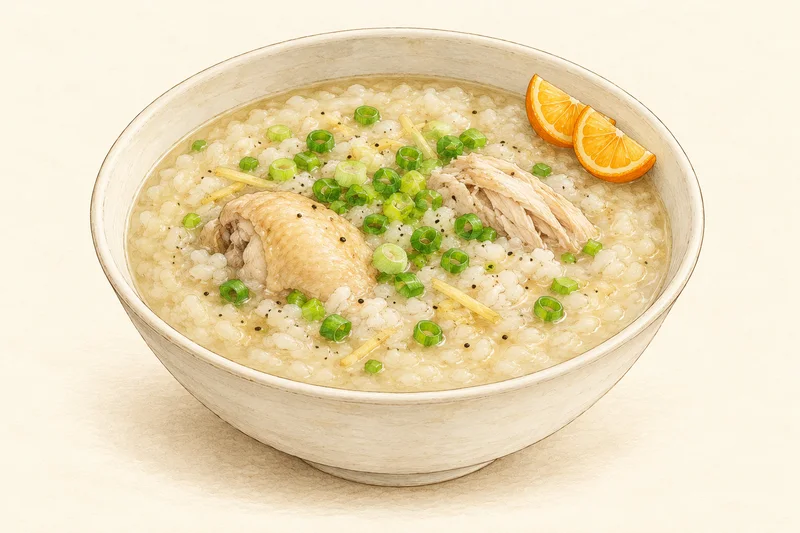
Chicken congee (jook)
雞粥 (gai juk) / jook
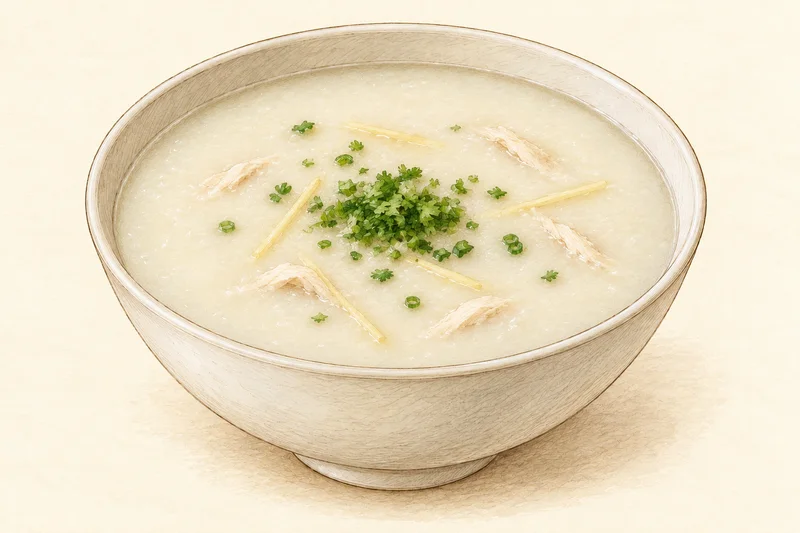
Cantonese rice porridge cooked restaurant-style: white rice boiled hard in eight times its volume of water, whisked until silky, then finished with marinated sliced chicken and ginger. The recipe is from Daddy Lau, a retired Cantonese restaurant chef, on Made With Lau.
- Servings
- 4
- Preparation
- 10 min
- Cooking
- 35 min
- Total
- 45 min
- Difficulty
- Easy
Equipment
- Large pot with a lid; kettle
- Whisk
- Bowl for marinating the chicken
Ingredients
Congee
Chicken marinade
To serve
Method
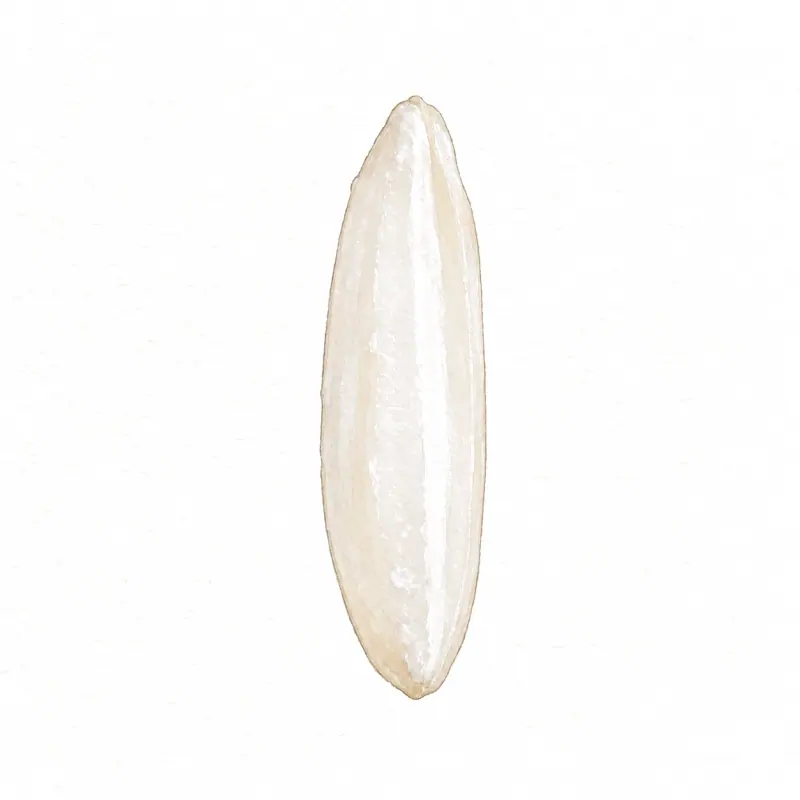
Wash the rice three times: cover with water, rub the grains between your hands and drain.
Why Washing removes excess surface starch that makes congee gummy and sticky.
Boil the water in a kettle. Cut the ginger into thin strips and chop the green onion and cilantro.
Slice the chicken thinly. Mix it with the oyster sauce, cornstarch, bouillon and water for 30 seconds until no liquid is left, then mix in the oil for another 20–30 seconds.
Why The cornstarch holds the seasoning on the meat and keeps it juicy; the oil stops the slices clumping.
Pour the boiled water into the pot and bring it back to the boil on high heat. Only then add the rice and stir briefly. Do not stir again until it boils once more. Cover and wait for it to return to the boil.
Why Rice added to cold water, or stirred while the pot comes up to the boil, is more likely to stick to the bottom.
Once it boils, partly cover the pot and cook over medium heat for 25 minutes. On a weak stove it may need 10 minutes more.
Timer · 25 min25:00Whisk rapidly and constantly for 2–3 minutes to break the grains into small, fluffy pieces.
Why Without a whisk, the source says to cook another 10–20 minutes instead.
Timer · 3 min3:00Turn the heat to high and add the chicken slowly over 30–60 seconds, stirring all the time. Stir for 1–2 minutes more and check that the chicken is cooked through once the pot boils again.
Timer · 2 min2:00Add the ginger, salt and bouillon, stir for 20–30 seconds, turn off the heat and serve with the green onion and cilantro.
Substitutions
- Chicken bouillon powder → Cook the rice in light chicken stock in place of part of the water and season with salt only (editorial suggestion).
- Oyster sauce (mollusc-free) → Light soy sauce (contains soy and usually wheat).
Common mistakes
- Not washing the rice: the congee turns gluey.
- Stirring right after the rice goes in: it catches on the base.
- Adding all the chicken at once: it clumps and the pot stops boiling.
Storage & reheating
Cool quickly (rice within an hour), refrigerate and eat within a day; reheat once, until steaming hot, loosening with water (UK FSA).
Safety
Contains molluscs (oyster sauce). Oyster sauce and bouillon powder often contain wheat, soy or celery: check the labels. Thin chicken slices cook in a minute or two at the boil; check there is no pink meat (UK FSA).
Allergens
Molluscs
Check labels: stock, bacon and sauces can contain further allergens.
Dietary
dairy-free
The congee base
Jook is the Cantonese name for congee, rice boiled in a great deal of water until it becomes a smooth porridge. Daddy Lau, a Cantonese restaurant chef whose son publishes his recipes as Made With Lau, says Cantonese cooks are "very proud and particular" about the quality of the base, the jūk dái. Toppings can change; the base must be silky.
Boil first, whisk at the end
The restaurant method is about speed and texture. The rice is washed three times to remove loose starch, then dropped into water that is already at a rolling boil, eight times its volume, and not stirred until the pot boils again. After 25 minutes partly covered, a few minutes of hard whisking breaks the softened grains into a fine, fluffy porridge in place of an extra 10 to 20 minutes of simmering.
The chicken is sliced thin and coated with cornstarch, oyster sauce and oil, then fed into the boiling congee a little at a time so it poaches in a minute or two. Ginger goes in last, for freshness.
How it connects
Place
- origin Guangdong In preparation
Recipe
- similar Arroz caldo