Rice · Rice · Short entry
IR8
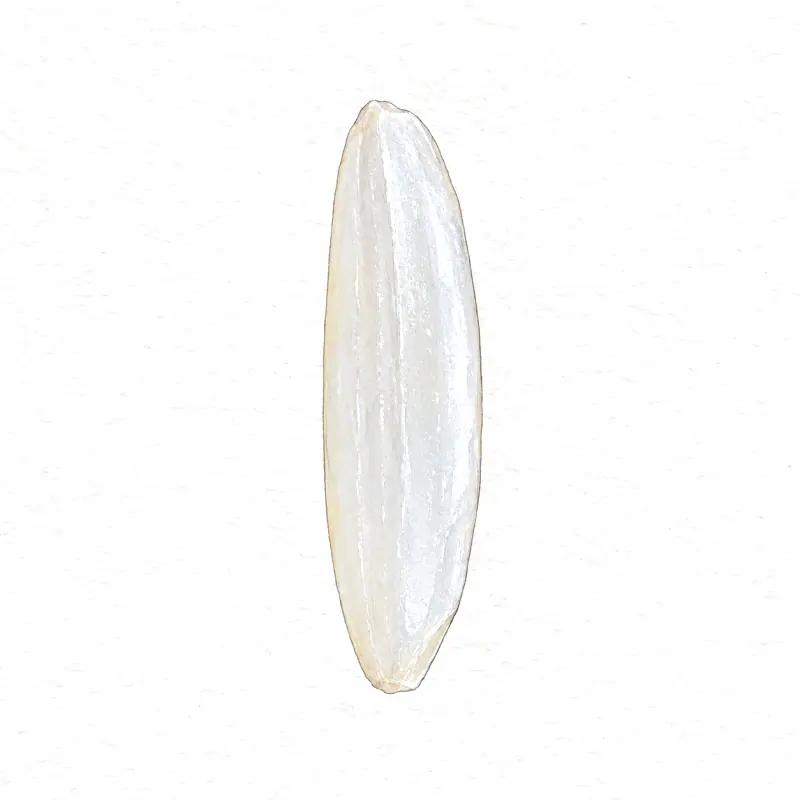
The first variety named by the International Rice Research Institute, released in November 1966 from a cross of the tall Indonesian Peta with the Taiwanese dwarf Dee-geo-woo-gen. A semidwarf of about 120 cm that did not lodge under heavy fertiliser, it averaged 9.4 t/ha in 1966 trials and started the Green Revolution in rice. Its grain was bold, chalky and high in amylose.
The eighth cross
In 1962 Peter Jennings and colleagues at IRRI made 38 crosses between tall tropical varieties and dwarfs from Taiwan. The eighth was Peta × Dee-geo-woo-gen. In 1963 its second generation split three tall to one short, showing that the dwarfism was controlled by a single recessive gene, later named sd1. Henry Beachell picked plant IR8-288-3 from the fourth generation in 1964.
In the 1966 dry season S.K. De Datta's trials averaged 9.4 t/ha and reached 10.3 t/ha, when Philippine farm yields were about 1 t/ha. IRRI released the line as IR8 in November 1966. It matured in about 130 days and was insensitive to day length, so farmers could take two crops a year.
Yield before quality
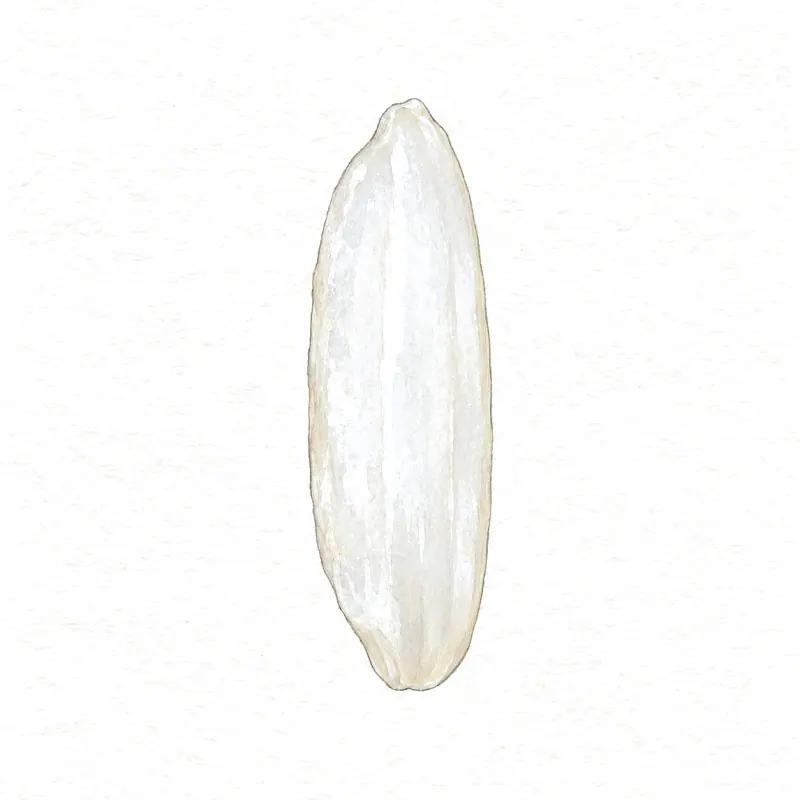
The grain was IR8's weakness. IRRI lists it as long, medium in shape, with over 20 % chalkiness and a heavy 30.3 g per 1,000 grains, and high in amylose. It broke in milling and hardened after cooling. IRRI's seed committee accepted this because there was not enough rice to go around. Later varieties such as IR20, and in time IR64, replaced it with better grain.
How it connects
Rice
- related IR64