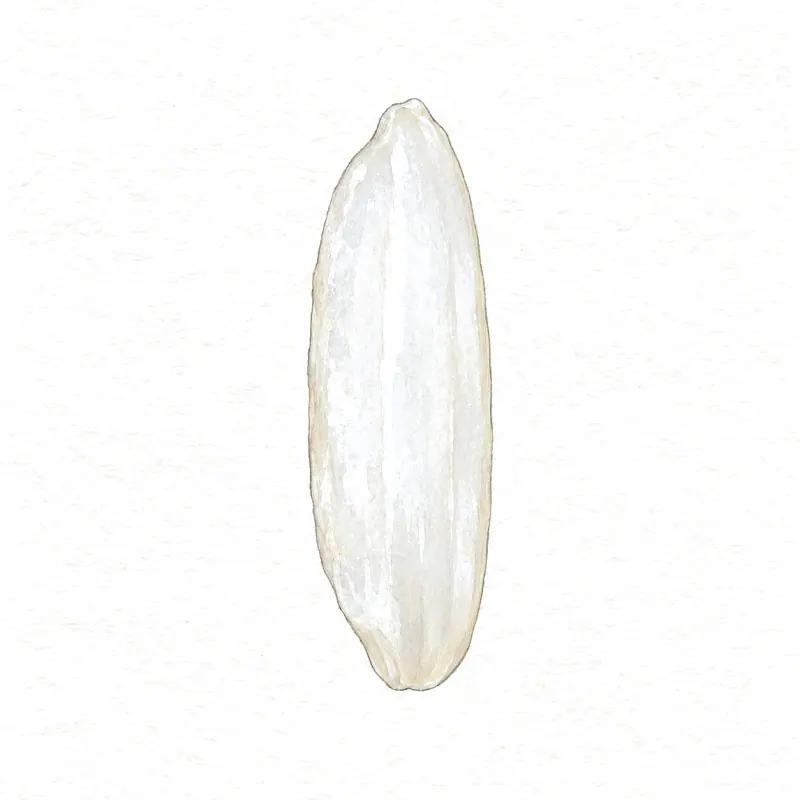
Rice · Rice · Short entry
IR64
An IRRI indica cultivar released by the Philippine Seed Board in 1985. It combined high yield with intermediate amylose, intermediate gelatinization temperature and soft gel consistency, and its eating quality became the standard in several countries. By around 2000 it covered more than 10 million ha, and for about a decade it was grown on over 40 % of Indonesia's rice area.
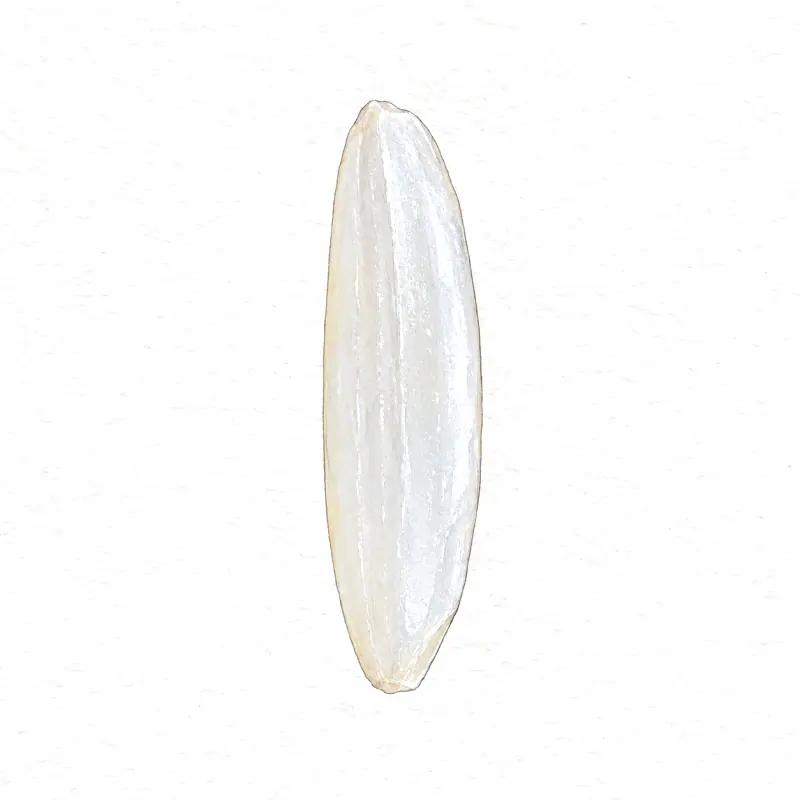
A mega variety
The cross behind IR64 was made in early 1977. One of its lines, IR18348-36-3-3, was selected from the fifth generation in 1980, tested from 1981 to 1983, and outyielded IR36 by 21 % in trials. The Philippine Seed Board released it as IR64 in 1985. It matures in about 117 days and resists blast, bacterial blight and brown planthopper. Nineteen traditional varieties sit in its pedigree.
IR64 was the first IRRI variety to pair intermediate amylose with intermediate gelatinization temperature, a combination most consumers in tropical Asia prefer, where the earlier IR8 had high amylose. It was released in many countries, as OM89 in Viet Nam and FKR42 in Burkina Faso, and it dominated Indonesia for over two decades.
How it connects
Rice
- related IR8