Rice · Rice · Short entry
Chucheong (Akibare)
추청
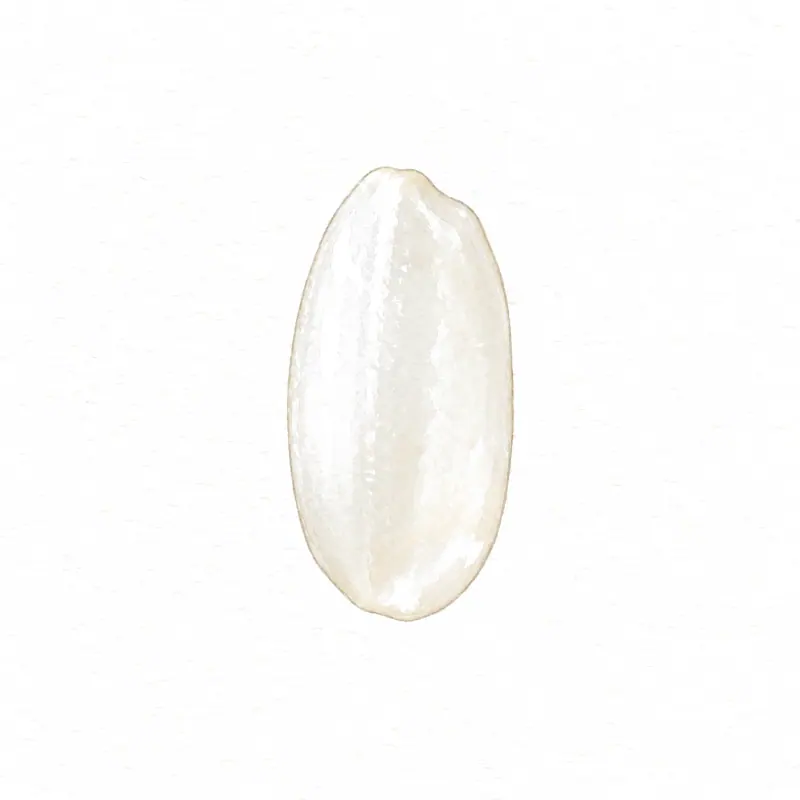
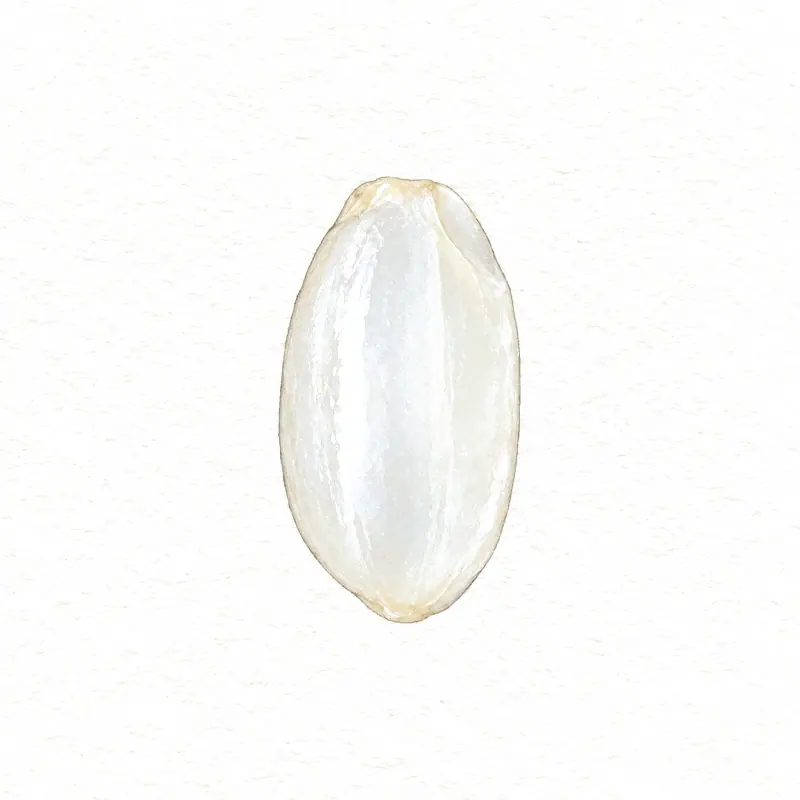
A Japanese cultivar, Akibare, bred in 1954–55 at the Aichi Agricultural Experiment Station and introduced to Korea in 1969, where it was recommended as Chucheong. Its short, round, translucent grains cook glossy and sticky thanks to low amylose.
A Japanese rice that became a Korean standard
Bred in Japan in 1954–55 from Mandainishiki crossed with an F5 line of Wakaba × Kimmaze, Akibare was brought to Korea in 1969 and, after two years of yield trials, made a recommended variety under the name Chucheong. It is a mid-late rice, heading around 16 August in the central plains.
The RDA describes its grain as short and round, highly translucent and free of white belly, with low gelatinisation temperature and amylose that make cooked rice glossy and sticky. Its weaknesses are agronomic: it is susceptible to blast, bacterial leaf blight, viruses and planthoppers, and may lodge at maturity.
How it connects
Rice
- similar Samgwang