Explore the world · Recipe · Hungary · Reference page
Túrós csusza
túrós csusza
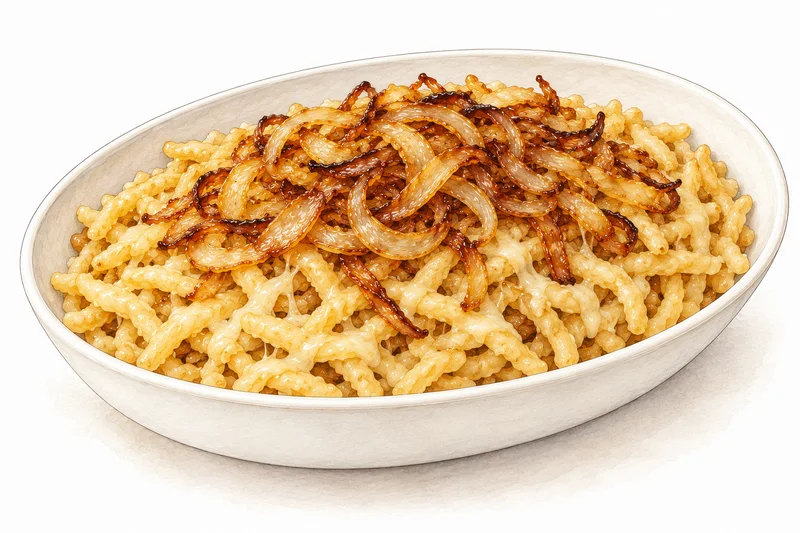
Flat square noodles tossed in rendered pork fat, then folded with túró (fresh curd cheese) and sour cream and topped with crisp cracklings. A Hungarian classic, often eaten after fisherman's soup; this is Tas Tóbiás's version for Offbeat Budapest.
- Servings
- 4
- Preparation
- 5 min
- Cooking
- 15 min
- Total
- 20 min
- Difficulty
- Easy
Equipment
- Large frying pan
- Pot for the pasta; slotted spoon
Ingredients
Method
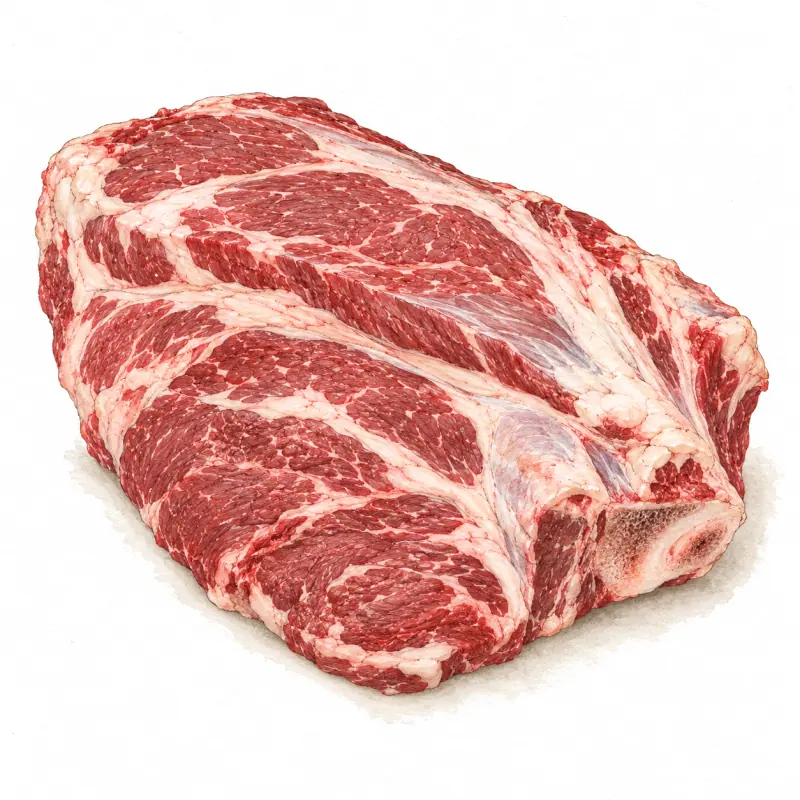
Put the pork into a large pan and render it over medium heat until golden and crisp, 8–10 minutes. Lift out the cracklings with a slotted spoon and keep the fat in the pan.
Why Burnt cracklings must be thrown away: watch the heat.
Timer · 10 min10:00Meanwhile cook the pasta in salted boiling water until al dente, 7–8 minutes. Drain.
Timer · 8 min8:00Toss the pasta in the hot fat until every piece is slippery; you can let the edges crisp a little over medium-high heat.
Turn the heat to low, add the sour cream, túró and a generous pinch of salt and fold everything together.
Serve hot with the cracklings scattered on top.
To drink & serve with
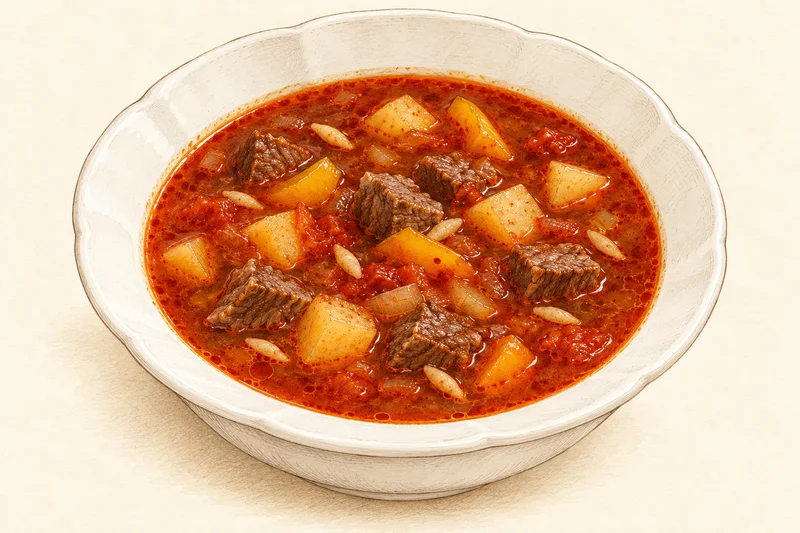
- Bogrács gulyás
Another Hungarian classic for the same table.
Substitutions
- Túró → Dry farmer's cheese or a crumbly cottage cheese, drained.
- Smoked pork belly → Bacon, as the source allows.
Common mistakes
- Heating the túró and sour cream hard: they split. Keep the heat low.
Storage & reheating
Best at once. Leftovers keep 2 days in the fridge; reheat gently.
Safety
Contains gluten, egg (Hungarian dried pasta is usually made with egg) and milk.
Allergens
Gluten · Egg · Milk
Check labels: stock, bacon and sauces can contain further allergens.
Slippery noodles
Offbeat Budapest's Tas Tóbiás calls túrós csusza a late-medieval Hungarian dish that has stayed popular ever since, often eaten as a second course after fisherman's soup. He describes it as slippery egg noodles smothered in sour cream and túró. The medieval date is his statement; the atlas has not seen the historical cookbooks he worked from.
Fat first, cheese off the heat
The pork is rendered until crisp and lifted out; its fat coats the hot pasta so the cheese cannot clump. Túró and sour cream go in over low heat only to warm, and the cracklings go on top at the end so they stay crunchy.
How it connects
Place
- origin Hungary In preparation
Recipe
- related Bogrács gulyás
- similar Käsespätzle