Rice · Recipe · Jeonju · Reference page
Jeonju bibimbap
전주비빔밥
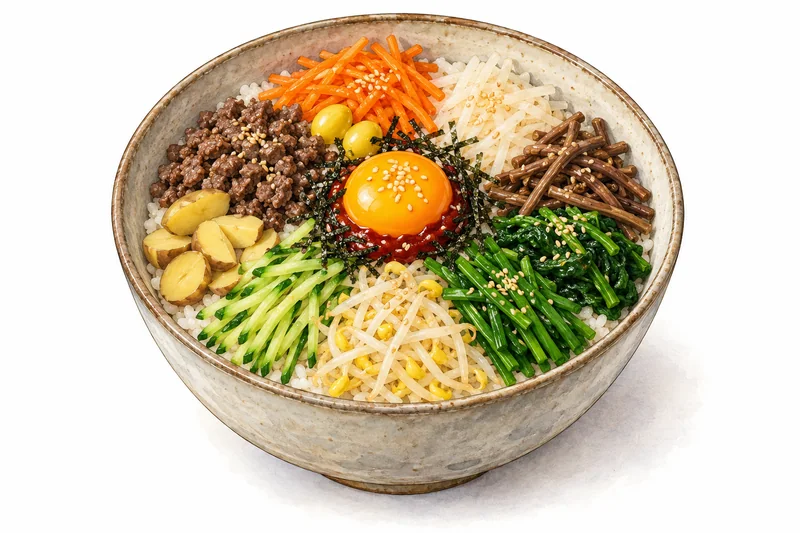
Steamed rice in a bowl, arranged with blanched vegetables, bracken, bean sprouts, seasoned raw beef and an egg yolk, with a gochujang sauce to mix through. Gary Mehigan's Jeonju-style recipe for SBS Food serves four.
- Servings
- 4
- Preparation
- 25 min
- Cooking
- 15 min
- Total
- 40 min
- Difficulty
- Moderate
Equipment
- Saucepan for blanching; bowl of iced water
- Frying pan or wok
- Four serving bowls
Ingredients
Vegetables
Beef and egg
Sauce
Oils, rice and laver
Method
Blanch the carrot, daikon, bracken, greens and garlic chives one at a time in salted boiling water, about 1 minute each. Refresh in iced water, drain and dress lightly with sesame oil.
Why Blanching each vegetable separately keeps its colour and texture; the bowl is arranged in colour blocks.
Timer · 1 min1:00Fry the chestnut slices in peanut oil over medium heat until golden; drain. Fry the garlic slices the same way.
Wipe out the pan and stir-fry the bean sprouts in a little sesame oil over high heat for about 1 minute. Let them cool.
Timer · 1 min1:00Season the diced beef with sesame oil, salt, pepper and sesame seeds.
Mix the gochujang, vinegar, a little sesame oil, ginger and sugar into a sauce, thinning with water if needed.
Put a cup of rice in each bowl. Arrange the vegetables, cucumber and sprouts around it in neat blocks of colour, the beef in the centre and an egg yolk on top. Add ginkgo nuts beside the beef, about 2 tablespoons of sauce alongside, and sprinkle the yolk with sesame seeds.
Scatter the fried chestnut and garlic over the centre. Pass each laver sheet over a flame to crisp it, break into thirds and tuck into the bowl. Mix everything together at the table.
Why Bibimbap means mixed rice: the diner stirs rice, vegetables, yolk and sauce together before eating.
Substitutions
- Raw beef → Stir-fry the seasoned beef until just cooked, and use a fried egg in place of the raw yolk, as many home cooks do.
- Bracken and ginkgo → Shiitake mushrooms and extra greens if you cannot find them; the dish is less Jeonju-style.
Common mistakes
- Overcooking the vegetables: they lose their colour and the bowl turns grey.
- Making the sauce too thick to mix; thin it with a little water.
Storage & reheating
Assemble and eat at once. The blanched vegetables keep 1 day in the fridge.
Safety
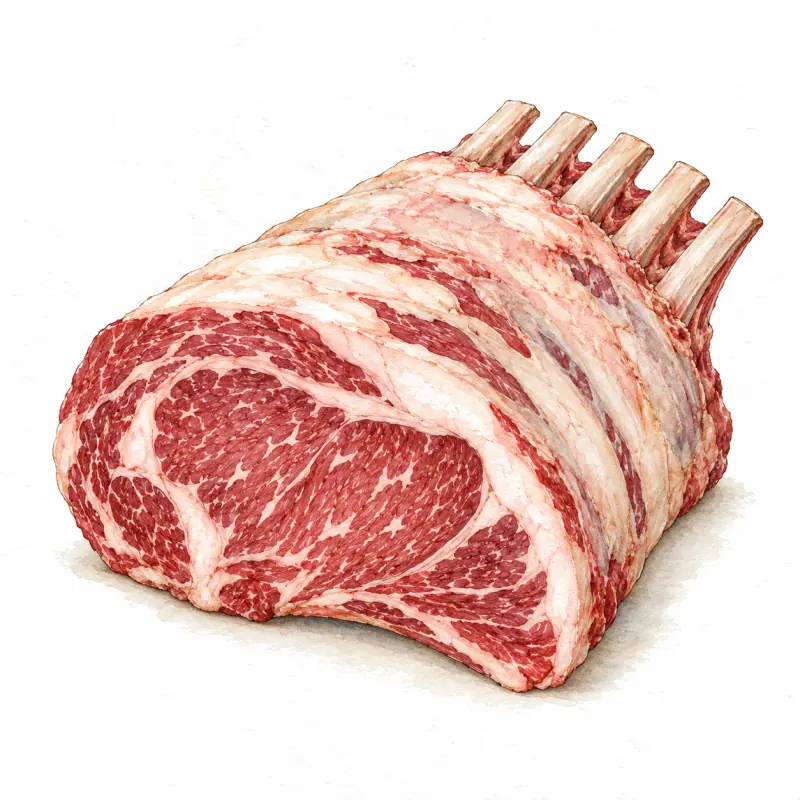
The beef and egg yolk are served raw. Use very fresh beef fillet from a trusted butcher and pasteurised or very fresh eggs; pregnant women, young children, older people and anyone with weak immunity should cook both. Raw ginkgo nuts are toxic in quantity: always cook them and eat only a few. Allergens: egg, sesame, soy and gluten (gochujang often contains wheat), peanuts (peanut oil).
Allergens
Egg · Sesame · Soy · Gluten · Peanuts
Check labels: stock, bacon and sauces can contain further allergens.
Jeonju and its bibimbap
Gary Mehigan wrote this recipe after visiting Jeonju's annual bibimbap festival. His headnote describes bibimbap as a rice dish that farmers first made to use up leftovers, served hot in iron pots or cold in brass or metal bowls; Jeonju usually serves the cold style, topped with beef, an egg yolk, sesame and a house chilli sauce. The leftovers story is widely told but not documented here, so the atlas treats it as tradition.
Colour blocks, then mix
Each vegetable is blanched on its own for about a minute, refreshed in iced water and dressed with sesame oil. The bowl is built like a wheel: rice in the middle, vegetables in blocks of colour, raw seasoned beef and an egg yolk at the centre, the gochujang sauce at the side.
At the table the diner mixes everything together. The yolk and sauce coat the rice; fried chestnut, garlic and toasted laver add crunch.
How it connects
Place
- origin Jeonju In preparation
Recipe
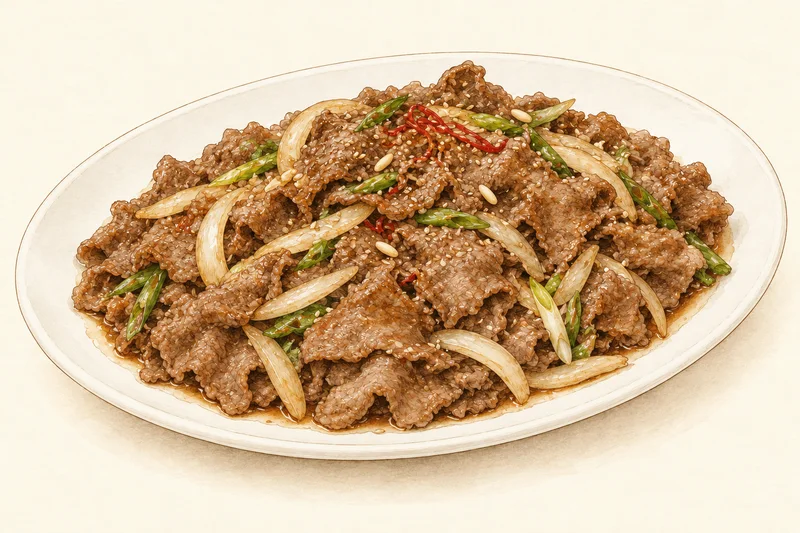
- related Bulgogi
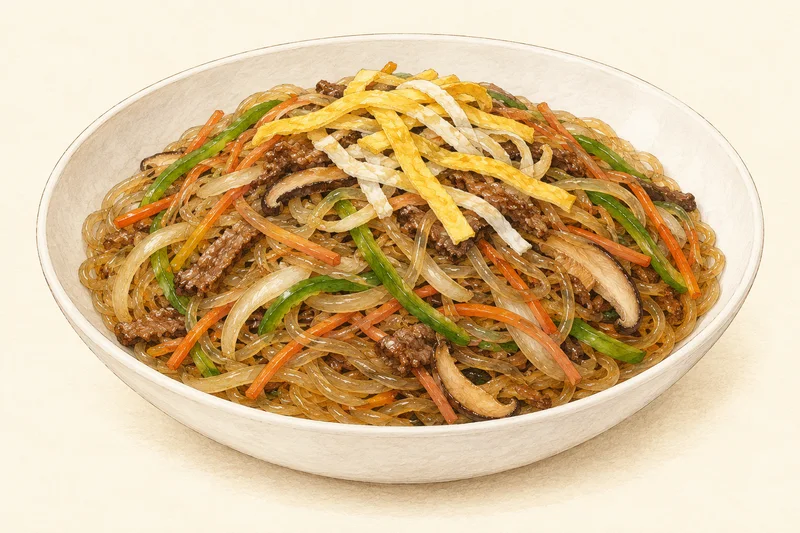
- related Japchae
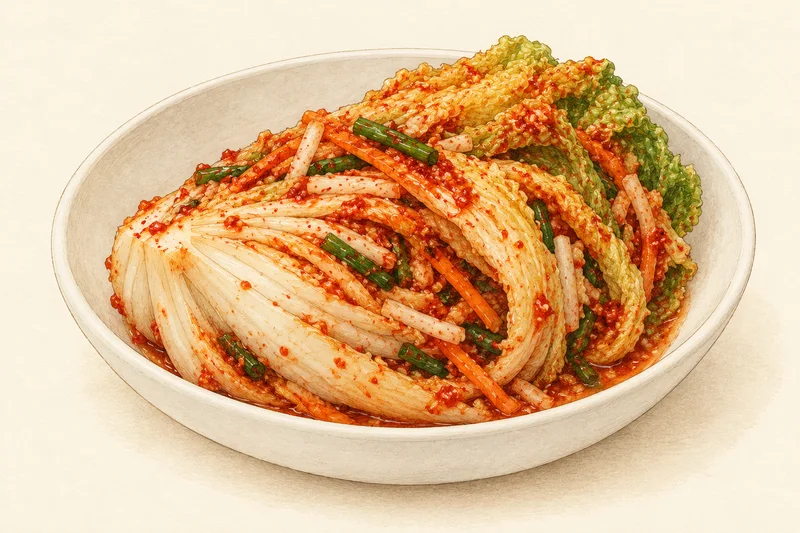
- pairs with Napa cabbage kimchi