Explore the world · Recipe · England · Reference page
Fish and chips
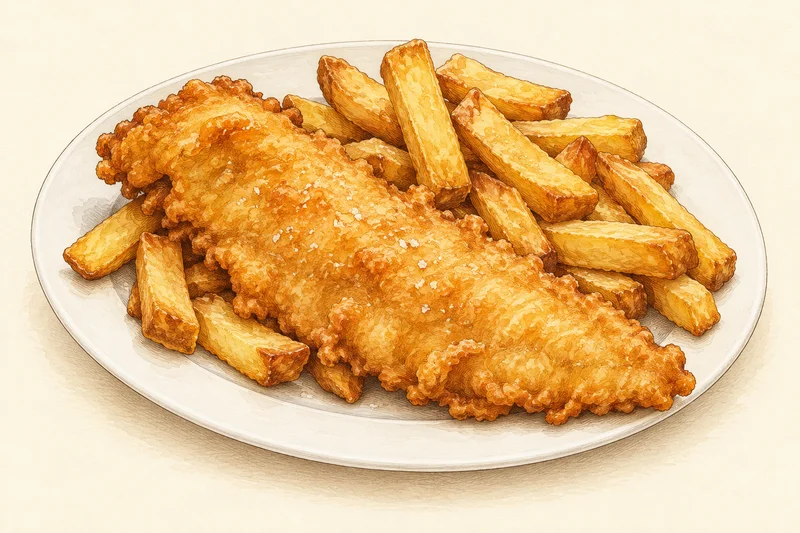
White fish in a light ale batter, deep-fried with chips that have been parboiled and fried twice. The recipe here is the Norwegian Seafood Council's, with haddock, a self-raising flour and cornflour batter lightened with egg white, and chips at 160 °C then 190 °C.
- Servings
- 4
- Preparation
- 25 min
- Cooking
- 35 min
- Total
- 1 h
- Difficulty
- Moderate
Equipment
- Deep fryer, or a large heavy pan no more than two-thirds full of oil, with a thermometer
- Slotted spoon or basket; kitchen paper
Ingredients
Chips
Fish and batter
To serve
Method
Rinse the chips to remove excess starch. Put them in cold salted water, bring to the boil and cook 2–3 minutes. Drain, return to the pan and toss lightly to rough up the edges.
Why Rough, parboiled surfaces turn into a crisp crust in the oil.
Timer · 3 min3:00Heat the oil to 160 °C. Fry the chips for 6–7 minutes without colouring much, then lift out and drain on kitchen paper in a single layer.
Why The first, cooler frying cooks the inside; the second, hotter one makes the crust.
Timer · 7 min7:00Make the batter: sift the flour, cornflour and salt into a bowl, make a well, add the ale and stir until smooth. Beat the egg white until just foaming and fold it in.
Heat the oil to 190 °C. Fry the chips again for 4–5 minutes until golden and crisp. Drain, salt and keep warm.
Timer · 5 min5:00Dust the fish in flour, dip in the batter and fry in batches for 6–8 minutes until golden and crisp. Drain on paper and serve with the chips.
Why Dry flour helps the wet batter grip the fish.
Timer · 7 min7:00
Substitutions
- Haddock → Cod, hake or pollock fillet of similar thickness.
- Light ale → Sparkling water gives a lighter batter without alcohol or barley (but the flour still contains gluten).
Common mistakes
- Skipping the first, lower-temperature fry: the chips brown before they are cooked through.
- Making the batter far ahead: the bubbles from the ale and egg white fade.
Storage & reheating
Eat at once; fried fish and chips do not reheat well. Let the oil cool completely before straining and storing it.
Safety
Hot oil is the main hazard: never leave it unattended, keep the pan less than two-thirds full, lower food in gently, and never put water on an oil fire. Contains fish, gluten (flour, ale) and egg.
Allergens
Fish · Gluten · Egg
Check labels: stock, bacon and sauces can contain further allergens.
Dietary
dairy-free
Who put them together?
Fried fish and fried potatoes were sold separately in England before anyone sold them together, and the first to combine them is disputed. A 2023 report in the Tameside Correspondent sums up the claims: Joseph Malin opened a fried-fish shop in Bow, London, in 1860; Oldham's Tommyfield Market claims the first fried chips, also in 1860; and research by the local historian Rita Vaughan credits John Lees with selling the two together in Mossley in 1863. None of these has been settled.
Two temperatures, one batter
The chips are parboiled, fried at 160 °C until tender and then at 190 °C until crisp. The batter combines self-raising flour (raising agent), cornflour (crispness) and cold ale (bubbles and flavour), lightened with whipped egg white. A dusting of flour on the fish helps it stick.
How it connects
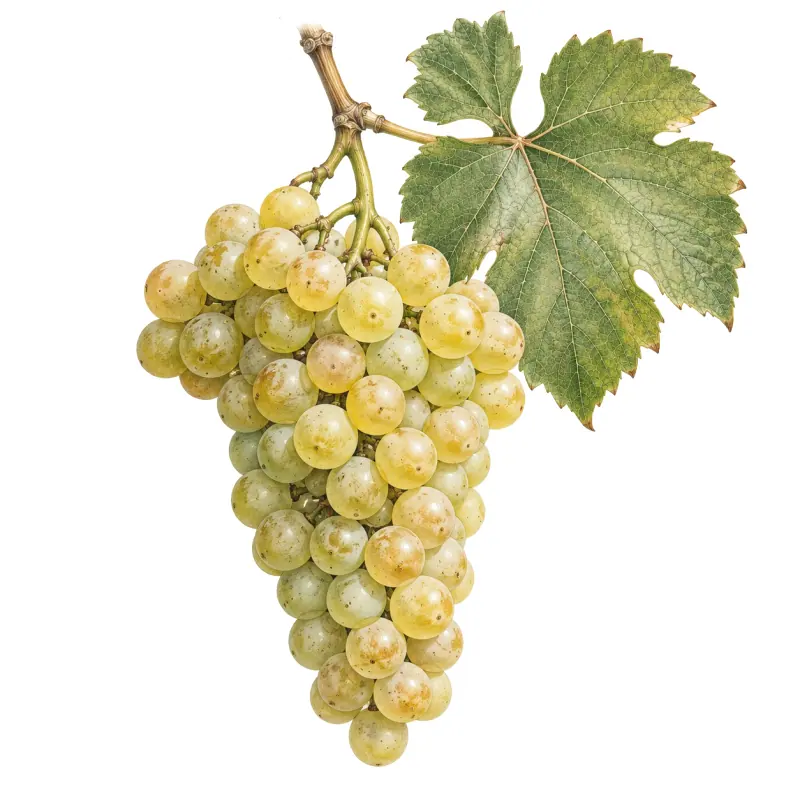
Wine region
- origin England
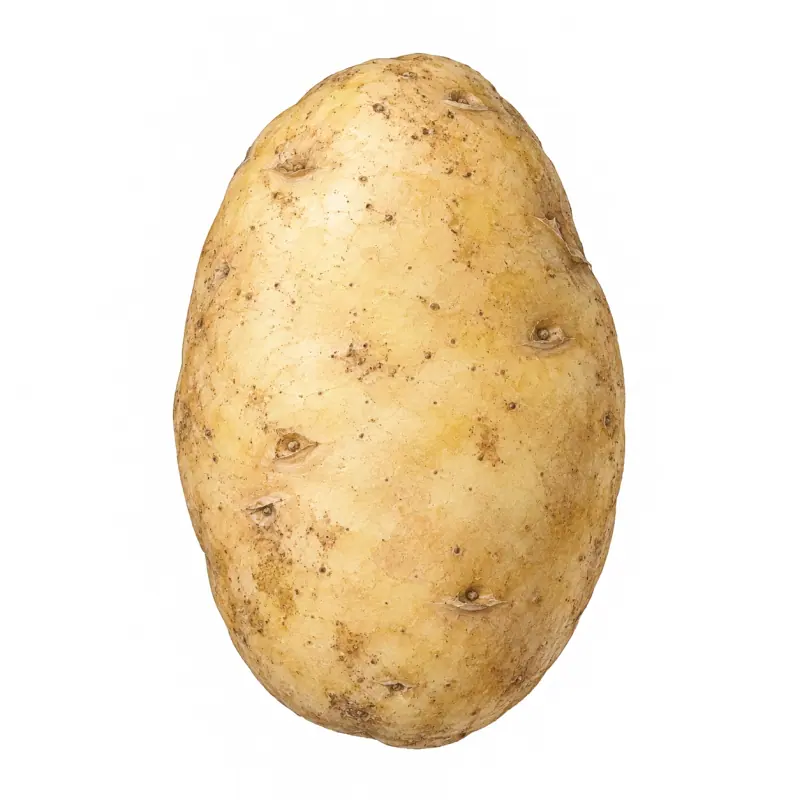
Potato
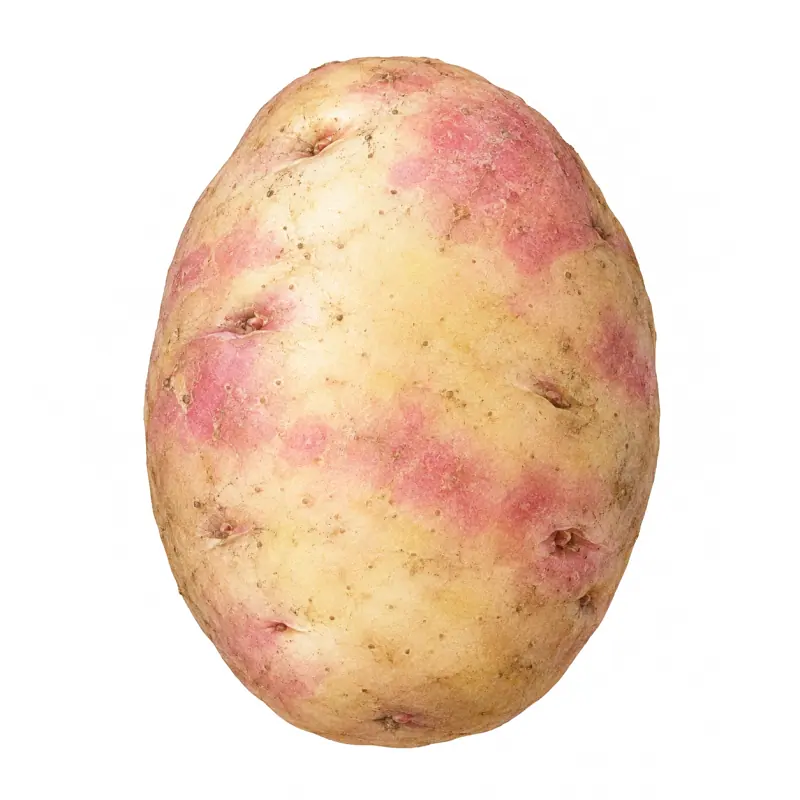
- made with Maris Piper