Wine · How wine is ranked · Reference page
The 1855 Bordeaux classification
A ranking drawn up in two weeks by Bordeaux wine brokers for a Paris exhibition still sorts the châteaux of the Médoc and Sauternes. It was based on prices, not tastings, and in 170 years it has officially changed only twice.
Two weeks in April
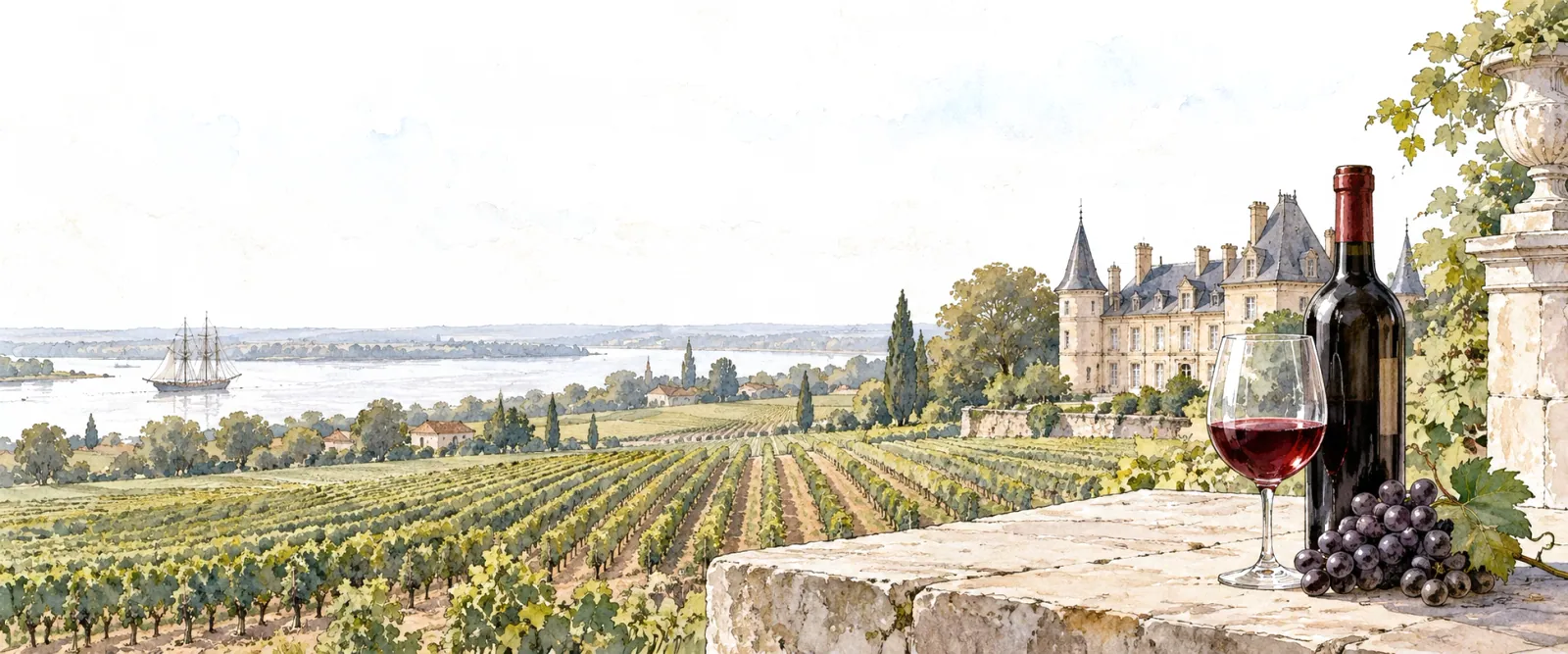
In 1855 Paris held a Universal Exhibition, and Emperor Napoleon III wanted the wines of the Gironde shown there. The display would be small: only six bottles of each wine were to be sent, with a wine map of the region commissioned to go with them. The organisers needed a way to make sense of hundreds of estates.
On 5 April 1855 the Bordeaux Chamber of Commerce wrote to the Brokers' Union, the courtiers, asking for "a list of all the red classed growths in the department, as exact and complete as possible", with each property's class and commune. The exhibition was less than a month away. The brokers returned their list on 18 April. They were the obvious choice: through visits to the vineyards and daily trade they alone saw the whole market.
Two centuries of prices
The brokers did not invent a hierarchy; they wrote down one the market had built. Bordeaux, on the Garonne, had shipped wine since it was a Roman outpost, but distance and taxes kept its wine from dominating Paris, where Burgundy and Champagne were cheaper. In the seventeenth century Bordeaux had two main foreign buyers. The Dutch bought cheap wine, often for long voyages, and burned sulphur in barrels before filling them, a practice that helped the wine keep. The British drank what they bought and paid for quality. In the 1640s it was enough for them to ask for a wine of the Médoc. Then buyers began to name communes such as Pessac, and by the end of the century, estates. Early in the 1600s the Graves had led demand; the Médoc rose later and took the higher prices.
Arnaud de Pontac, owner of Haut-Brion, was a pioneer of the producer's name as a brand. After the Great Fire of London in 1666 he sent his son to open a tavern there, Pontac's Head, and by the end of the century British buyers asked for Haut-Brion by name. Margaux, Latour and Lafite joined it as a separate commercial category: the first growths. By the mid-eighteenth century about a dozen estates were recognised as second growths, priced close together. Thomas Jefferson found a third level when he arrived in Bordeaux in the spring of 1787; price lists of the 1820s show a fourth. By the early 1850s there were five classes and some sixty producers, and the ranking had been printed in books by André Jullien (1816), Alexander Henderson (1824) and Cyrus Redding (1833), in Charles Cocks's guide of 1846, later Bordeaux et ses vins, and in a French ministry survey of the 1847 and 1848 harvests. Each spring it gave buyers and sellers a starting price for the new vintage. It was never exact: in the first half of the nineteenth century some wines regularly sold at the prices of a higher class than their own.
A ranking by price
The 1855 list did not come from a tasting. Most of the listed properties sent no samples to Paris; the original document marks them point, "none". Their place did not depend on it. A château's rank followed the price its wine had fetched over a long period, not one exceptional vintage such as 1854.
The list fixed the ladder in five classes. Four estates formed the first class: Lafite, Latour, Margaux and Haut-Brion. Haut-Brion was the only one outside the Médoc, in the Graves, because by then no other red district matched Médoc prices. The sweet white wines of Sauternes and Barsac received their own list in two tiers, with Château d'Yquem set above all the rest as the single "Superior First Growth".
Two changes in 170 years
The Council of the 1855 classified growths counts only two official changes. On 16 September 1855, five months after the list was written, Château Cantemerle was added to the fifth growths. In June 1973 Château Mouton Rothschild was promoted, so that the four first growths of 1855 became the five of today.
Today the Council lists 61 red growths (5 first, 14 second, 14 third, 10 fourth and 18 fifth) and 27 sweet whites (1 Superior First, 11 first and 15 second).
Not every Bordeaux district is in it. The classification covers the Médoc, a single Graves estate, and Sauternes and Barsac; the rest of Bordeaux stood outside it.
Is the list still right?
The Council itself calls the brokers' judgments "remarkably accurate", but accepts that the list no longer precisely reflects relative quality and now serves mainly as "a promotional tool" for the châteaux and for Bordeaux. Prices, it argues, have always moved with current quality. Economists have tested that claim. Gary Thompson and Stephen Mutkoski analysed more than 3,100 critics' scores for the classified growths, vintages 1970 to 2005, from three widely read critics; their model explained about 65 % of the variation in scores. On those ratings, more than half of the 61 classified growths would be misclassified, some by as many as three tiers up or down. The authors themselves thought a revision unlikely.
Two lessons follow. The 1855 list is a historical document of the Bordeaux market in the mid-nineteenth century, and it remains a powerful brand. It is not a guide to what is in a given bottle from a given year. Much of the later history of wine judging, including the Paris tasting of 1976, is an argument with that kind of ranking.
How it connects
Wine region
- origin Bordeaux
Story
Continue exploring
- CountryFrance162 entries in the atlas so far
 StoryThe Judgment of Paris, 1976Paris, France
- Wine regionBordeauxBordeaux, France
 RecipeCèpes à la bordelaiseBordeaux, France
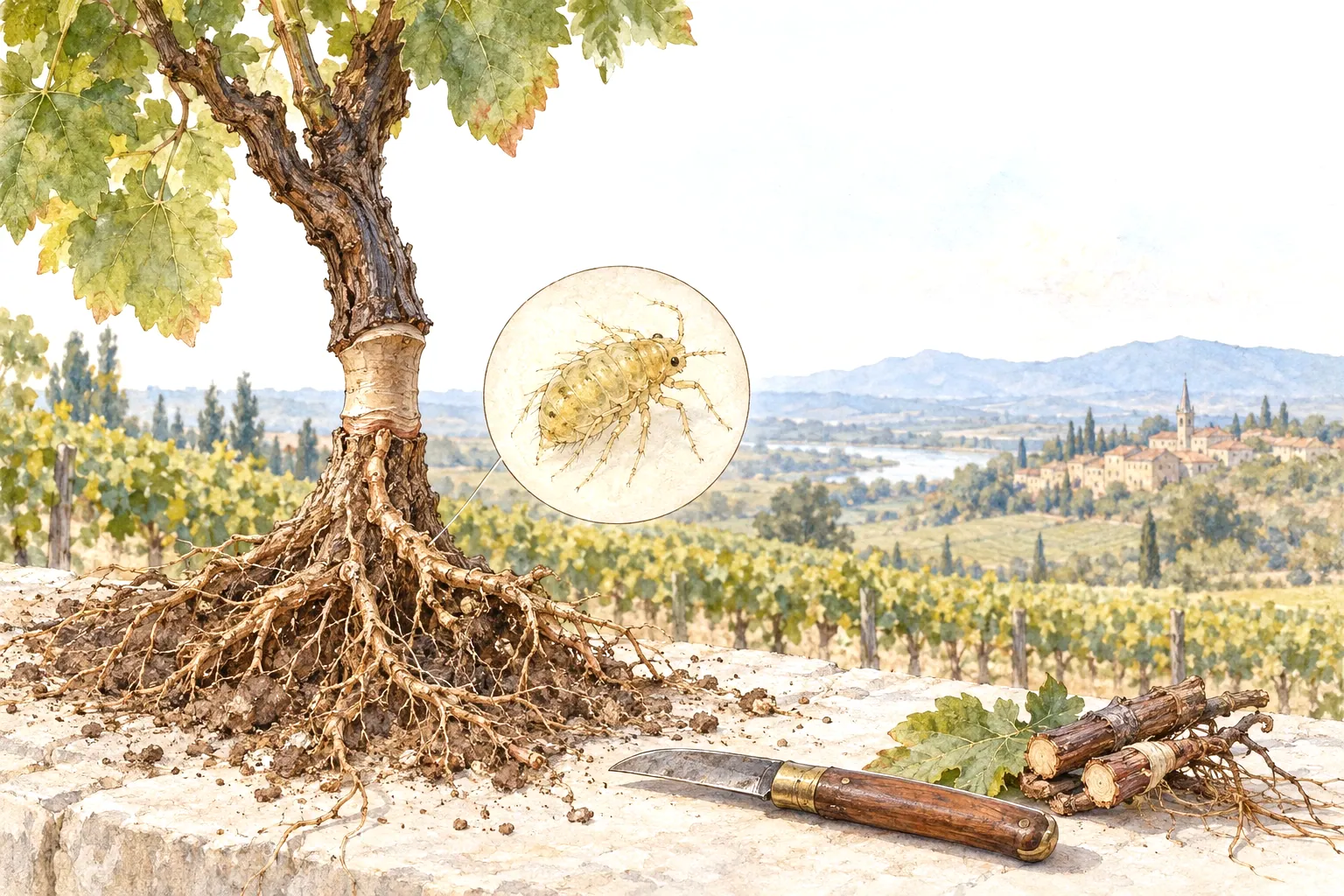 StoryPhylloxera: the insect that remade the vineyards of the worldFrance
- Wine regionBurgundyBeaune, France
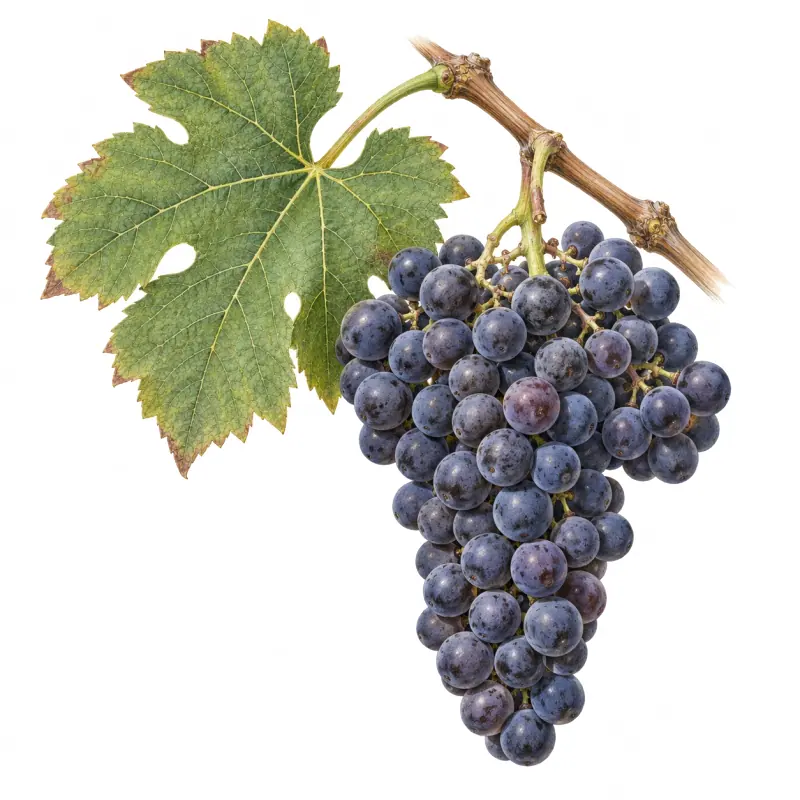 Grape varietyCabernet Franc
- Grape varietyCabernet Sauvignon
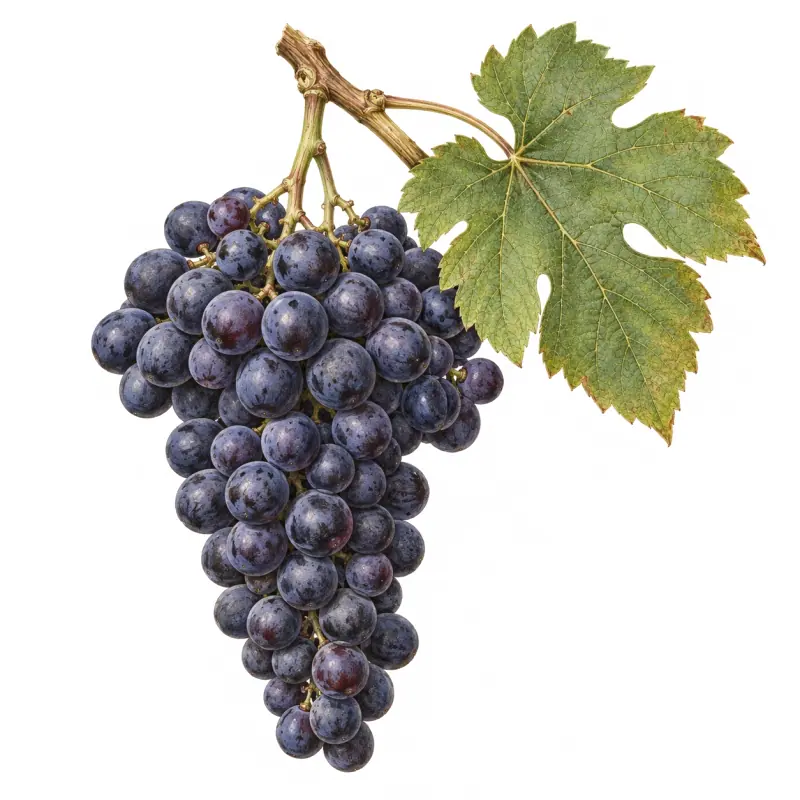 Grape varietyCarmenère
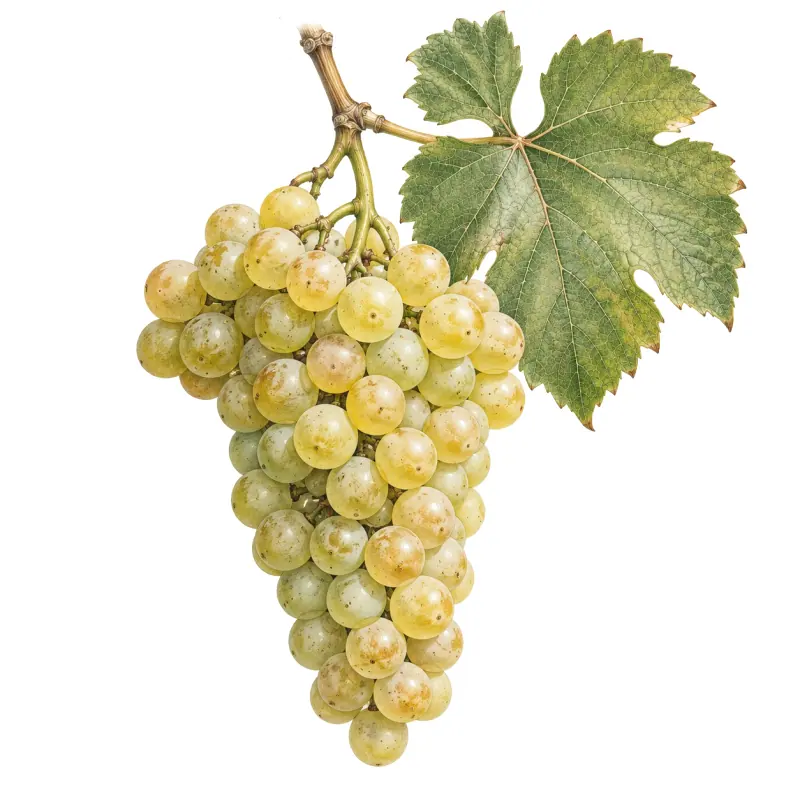 Grape varietyChardonnay