
Rice · Rice · Short entry
IRRI-6
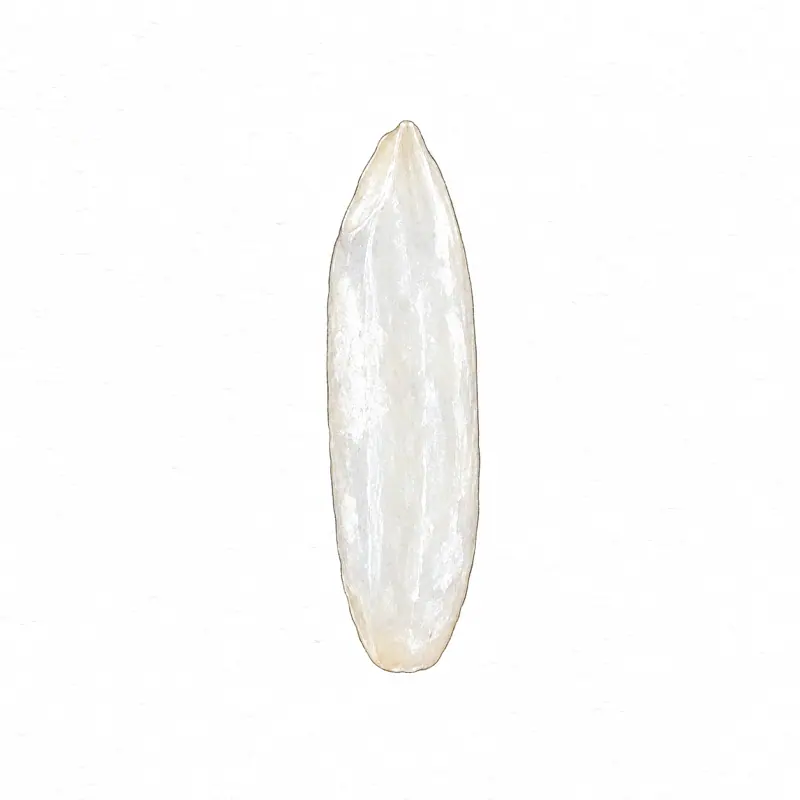
A short-statured indica rice introduced to Pakistan from the International Rice Research Institute that became the country's main coarse, non-Basmati variety, especially in Sindh. Its grain falls in the long class but is coarse and chalky, which lowers milling recovery and market price.
From the Green Revolution to Sindh
Pakistan imported short-statured varieties from the International Rice Research Institute in the Philippines from 1967. The first, IRRI-8, was soon dropped because its chalky grain broke in milling; more than 300 IRRI lines were then tested and IRRI-6 was selected. It has a short, strong stem, responds well to fertiliser and is ready 110 to 120 days after transplanting. By the early 2000s it was reported on about 75 to 80 % of Sindh's rice area.
A 1982 paper from the Nuclear Institute for Agriculture and Biology called it the predominant IRRI variety in Pakistan, where IRRI varieties then covered half of the rice area. The same paper names its weaknesses: a coarse, chalky grain, poor milling recovery and a low market price. The institute irradiated IR-6 seed to select a fine, translucent mutant.