Pasta · Recipe · Liguria · Reference page
Trofie al pesto genovese
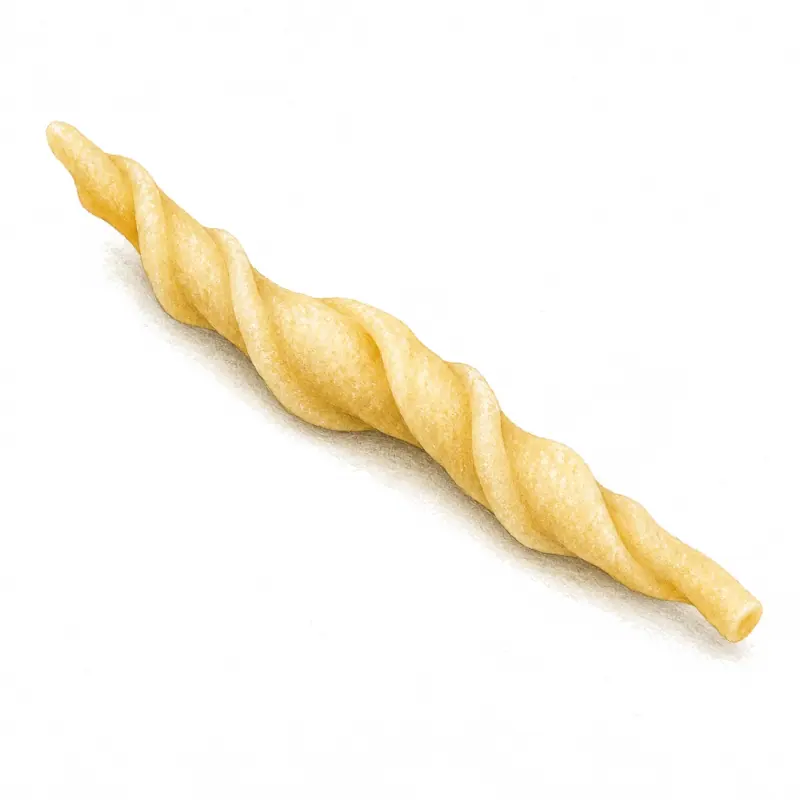
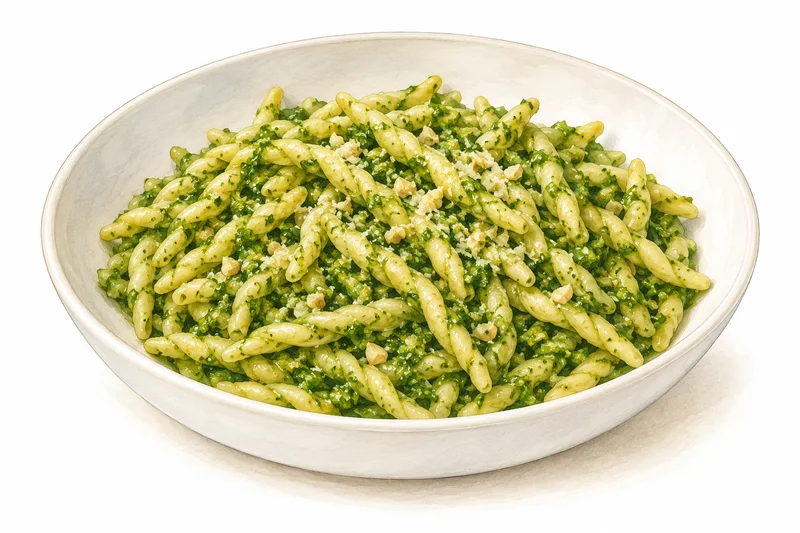
Small twisted trofie dressed with pesto pounded in a marble mortar from Genoese basil, garlic, coarse salt, pine nuts, Parmigiano Reggiano, Pecorino Sardo and Ligurian olive oil. The recipe for 600 g of pasta is the one supplied by the Pesto Genovese Consortium.
- Servings
- 6
- Preparation
- 25 min
- Cooking
- 15 min
- Total
- 40 min
- Difficulty
- Moderate
Equipment
- Marble mortar with a wooden pestle (or a blender, with a different result)
- Large pan for the pasta
Ingredients
Pesto
Pasta
Method
Wash the basil in cold water and dry it on a cloth.
Why Wet leaves dilute the pesto and darken faster.
In the mortar, crush the garlic (about one clove for every 30 basil leaves) with the salt to a cream.
Add the pine nuts and crush them in.
Add the basil a little at a time and work it with a gentle circular movement of the pestle against the sides, so the leaves are torn rather than cut.
Why Tearing releases the aromatic oils without the heat and oxidation of a blade; work quickly at room temperature.
Mix in the grated cheeses, then drizzle in the olive oil.
Cook the trofie in boiling salted water until al dente. If the pesto is too thick, thin it with a little of the hot cooking water, then dress the drained pasta.
Substitutions
- Mortar → A blender is acceptable, the consortium says, but the flavour and colour will differ. Pulse briefly and keep everything cool.
- Trofie → Trofiette, trenette or mandilli de saea, all suggested by the consortium.
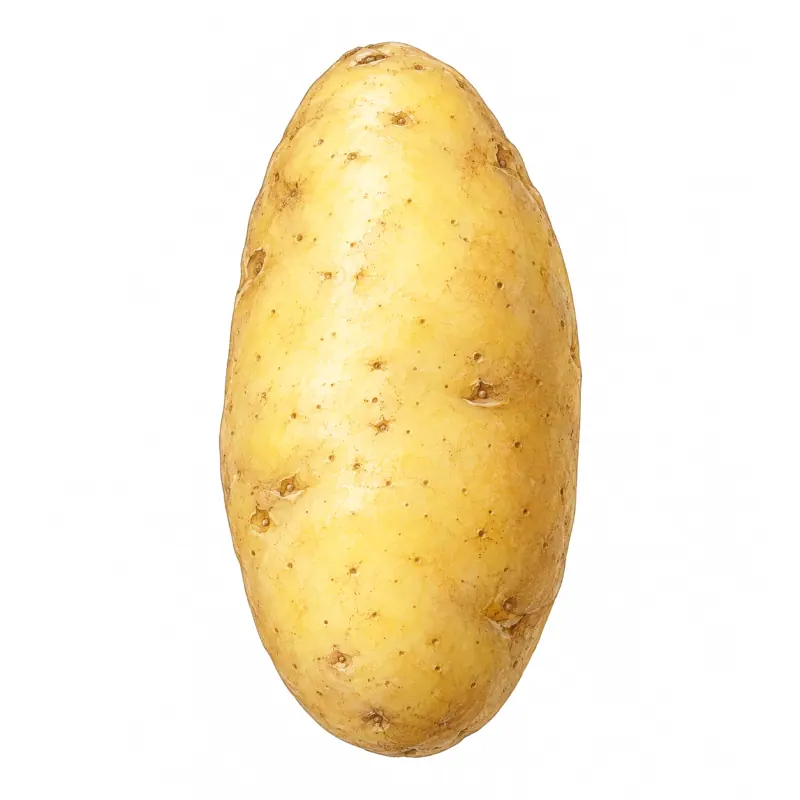
- Plain pasta → An old Genoese custom, not part of the official recipe, cooks pieces of potato and green beans in the water with the pasta; the potato starch makes the dish creamier.
Common mistakes
- Adding all the basil at once: it turns to a wet mass instead of a paste.
- Leaving the pesto to stand: it oxidises and darkens. Make it just before cooking the pasta.
- Heating the pesto in a pan: it loses its fresh aroma. Toss it with the drained pasta only.
Storage & reheating
Pesto keeps 2–3 days in the fridge in a jar, covered with a layer of olive oil.
Safety
Pine nuts are seeds, not among the EU's 14 listed tree nuts, but some people with nut allergies react to them. Traditional Parmigiano Reggiano and Pecorino Sardo are made with animal rennet. Allergens: milk, gluten (pasta).
Allergens
Milk · Gluten
Check labels: stock, bacon and sauces can contain further allergens.
Pesto and the world
The recipe here is the one credited to the Consorzio del Pesto Genovese, a consortium with offices in Genoa, and published on a Ligurian food guide. The consortium's history notes chart pesto's spread abroad: it was shown at the New York Fancy Food Show in the early 1980s as "Pesto Sanremo", featured by the Sunday Times in 1989, and in December 1991 a jarred "Pesto à la Frank" was launched under Frank Sinatra's name, without much success.
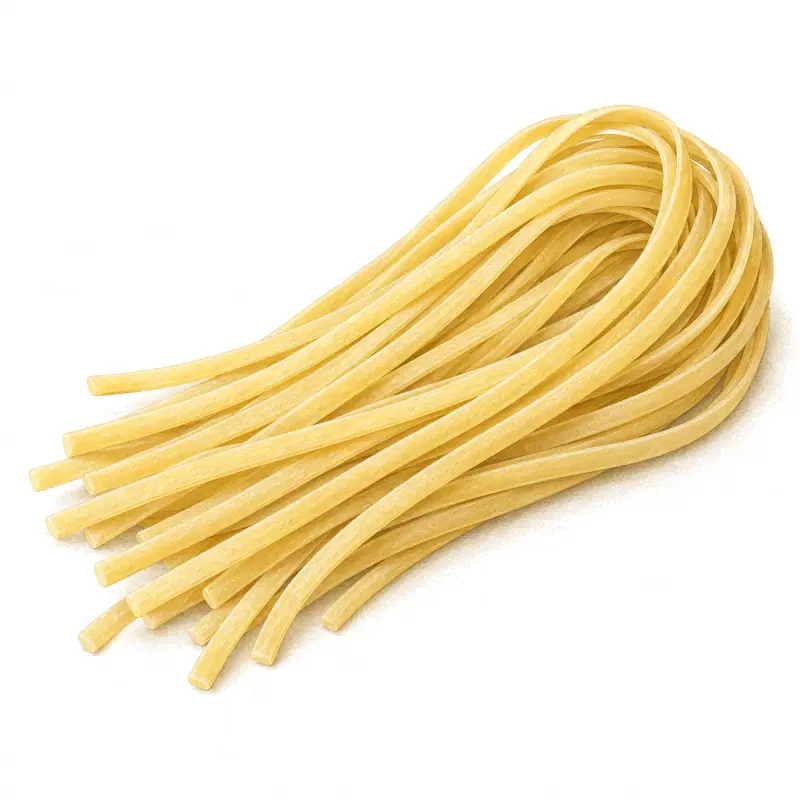
For pasta the consortium suggests trofie, trofiette, trenette or mandilli de saea, silk-handkerchief sheets of pasta.
Tear, do not cut
The method is written for a marble mortar and wooden pestle. Garlic and coarse salt are crushed to a cream (about one clove for every 30 basil leaves), then the pine nuts, then the basil a few leaves at a time with a gentle circular movement that tears the leaves. The grated cheeses follow, then the oil in a thin stream.
The consortium asks for room temperature and speed to limit oxidation, and allows a blender with the warning that flavour and colour will differ.
How it connects
Place
- origin Liguria In preparation
Pasta shape
- made with Trofie