Explore the world · Recipe · Mexico · Reference page
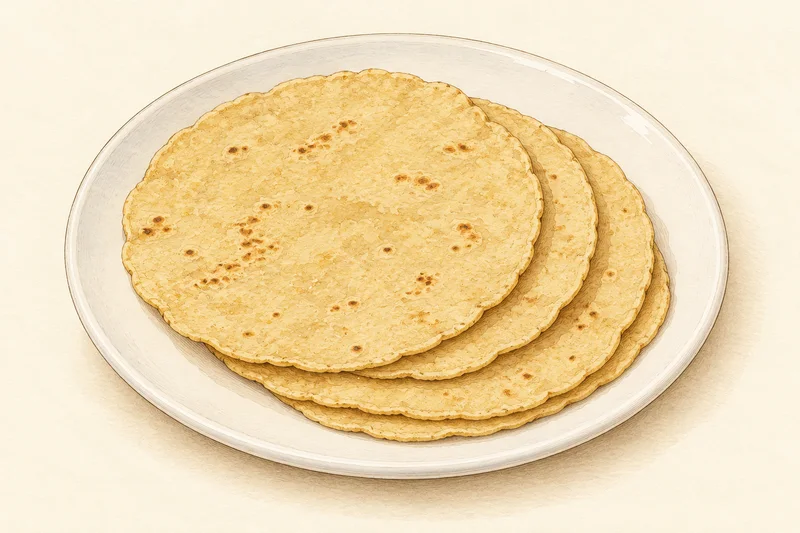
Corn tortillas from nixtamal (tortillas de maíz)
tortillas de maíz / tortillas de nixtamal
Dried corn simmered and soaked with cal (slaked lime), rubbed clean, ground to masa, pressed thin and cooked on a hot comal. Nixtamalisation is the Mesoamerican technique that makes corn more nutritious and gives tortillas their flavour. Method by Luz Calvo, with notes from Zarela Martínez.
- Servings
- 12
- Preparation
- 1 h
- Cooking
- 1 h 10
- Resting
- 24 h
- Total
- 26 h 10
- Difficulty
- Involved
Equipment
- Large non-reactive pot (stainless steel, glass or clay)
- Colander and a deep bowl
- Corn grinder (hand mill) or a mill service
- Tortilla press and two sheets of thin plastic
- Comal or heavy griddle; clean tea towel
Ingredients
Method
Put the cool water in a non-reactive pot and stir in the cal to a slurry. Add the rinsed corn.
Why Calvo asks for a non-reactive pot (stainless steel, glass or clay) because the limewater is strongly alkaline.
Cook over a medium heat for 45 minutes, adjusting the heat so that the water only just begins to boil at the end. Turn off the heat, cover and leave to soak overnight, preferably about 24 hours.
Why The alkali loosens the hull and changes the corn: some nutrients become more available and the kernels gain their distinctive taste (Zarela Martínez).
Timer · 45 min45:00Rinse the corn well, then put it in a deep bowl of cool water and rub it vigorously between your palms to loosen the skins. Pour off the water with the floating skins and repeat about 10 times, until the water is almost clear. Drain.
Grind the corn, twice for a softer masa. Add the salt and work in water a tablespoon at a time until you have a smooth ball that holds together but is not pasty.
Why Too much water makes a sticky mess; masa for tortillas should be fine and stiff.
Heat the comal well, then turn it down to medium-high. Shape golf-ball pieces and press each between two sheets of plastic in the tortilla press.
Peel off the plastic and lay the tortilla on the hot comal. Turn it when the edges start to lift, cook a few minutes, turning a few times, until done.
Timer · 3 min3:00Stack the tortillas in a folded clean towel; they finish cooking inside as they rest.
To drink & serve with
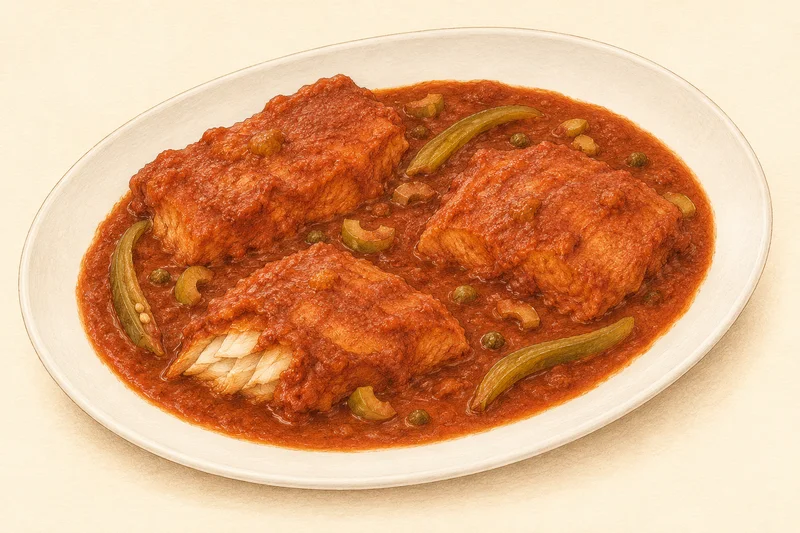
- Fish Veracruz style (pescado a la veracruzana)
Editorial suggestion: warm tortillas with Veracruz-style fish.
Substitutions
- Home-ground nixtamal → Fresh masa from a tortilleria, or masa harina (dehydrated nixtamalised corn flour) mixed to a stiff paste with warm water; never ordinary cornmeal (Zarela Martínez).
- Corn grinder → Martínez found food processors gave a poor texture; a hand-cranked corn mill or a mill service works best.
Common mistakes
- Rubbing each kernel separately: massage them by the handful.
- Adding the water to the masa all at once.
- Using a cool comal: the tortillas dry and crack instead of puffing.
Storage & reheating
Nixtamal keeps 2–3 days and masa up to 2 days in the fridge, tightly covered; freeze any surplus (Martínez). Cooked tortillas keep a few days wrapped in the fridge; reheat on a hot comal.
Safety
Gluten-free and free of the 14 EU allergens. Use only food-grade cal and rinse the corn thoroughly as the method describes. Keep the alkaline soaking water away from eyes and skin and out of reach of children.
Allergens
None
Check labels: stock, bacon and sauces can contain further allergens.
Dietary
vegan · vegetarian · gluten-free · dairy-free
Nixtamal: corn transformed
Zarela Martínez writes that, many centuries ago, Mexican cooks found that corn takes on a new identity when treated with an alkali: wood ash, burnt seashells or, today, cal, calcium hydroxide. The process, nixtamalización, makes some important nutrients more available and gives the corn a flavour and aroma she calls haunting, which is missing from corn dishes of countries that do not use it. For centuries the resulting nixtamal was ground at home on a volcanic-stone metate; most cooks in Oaxaca now take it to a local mill.
Luz Calvo, co-author of Decolonize Your Diet, describes the whole process for home cooks, from a 45-minute simmer in limewater and a day's soak to the tortilla press and the comal.
How it connects
Place
- origin Mexico In preparation