Rice · Recipe · Saint-Louis, Senegal · Reference page
Thieboudienne
ceebu jën
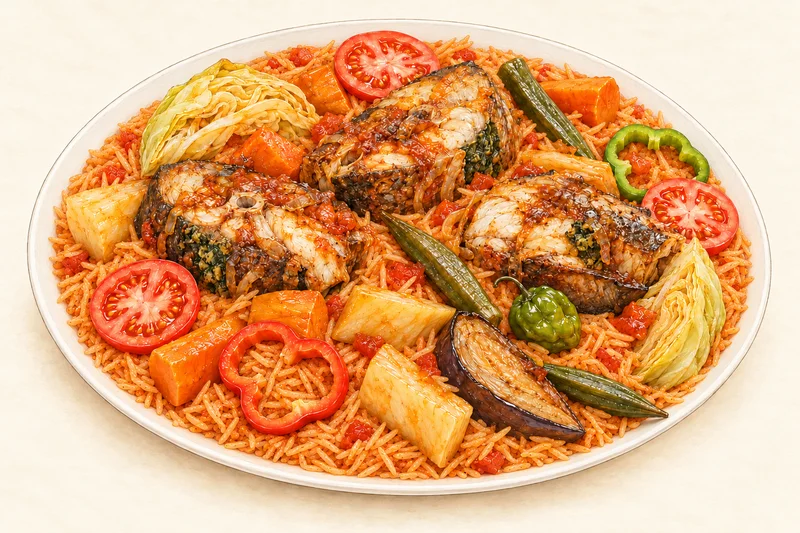
Senegal's national dish of fish and rice: stuffed fish fried and then simmered with vegetables in a tomato sauce, and broken rice cooked in the same rich sauce. UNESCO inscribed ceebu jën as intangible cultural heritage in 2021. This recipe for twelve is by Aissatou Ba of Tastes of Senegal, for SBS's Food Safari.
- Servings
- 12
- Preparation
- 50 min
- Cooking
- 1 h 30
- Total
- 2 h 20
- Difficulty
- Involved
Equipment
- Food processor or mortar and pestle
- Large, deep frying pan or wide stew pot
- Steamer for the rice
- Slotted spoon; large serving platter
Ingredients
Fish
Stuffing
Nokkos (seasoning paste)
Sauce and vegetables
Rice
To serve
Method
Blend the stuffing ingredients to a smooth paste. Cut the fish into thick cutlets, keeping the heads. Make a few deep slits in each piece and push the stuffing in.
Blend the nokkos ingredients to a smooth paste.
Heat the oil in a deep frying pan over high heat and fry the fish in batches, 6–7 minutes a side. Set aside.
Timer · 13 min13:00Fry three-quarters of the nokkos in the same oil for 5 minutes. Add the sea snail if using, the tomato paste and 250 ml water; cover and simmer 10 minutes.
Timer · 15 min15:00Add 1.5–2 litres water with the carrots, sweet potatoes, cassava, eggplant, cabbage and bay leaves. Simmer for 20 minutes, until just tender.
Timer · 20 min20:00Meanwhile wash the rice three times, drain well and steam it for 10–15 minutes until half cooked.
Why Half-steaming first lets the rice finish in the sauce without breaking down.
Timer · 15 min15:00Return the fried fish and the heads to the pot with the okra and whole chillies. Cover and simmer 15 minutes more. Lift out the fish and vegetables with a slotted spoon.
Timer · 15 min15:00Stir the tamarind into 1 cup of the sauce in a small bowl. Pour another cup of sauce over the fish.
Mix the rest of the nokkos into the sauce in the pot. Season generously with salt and add the fish sauce: it should taste a little saltier than you think.
Why The rice absorbs the sauce and its salt; a sauce seasoned only to taste makes bland rice.
Gently stir in the steamed rice and cook over low heat for 10–15 minutes until just cooked.
Timer · 15 min15:00Tip the rice onto a large platter, arrange the vegetables and fish on top, drizzle with the tamarind sauce and garnish with tomato and capsicum.
Substitutions
- Thiof → Any lean, firm white fish listed by the source: barramundi, grouper, sea bream, bass, hake, tilapia or snapper.
- Netetou → Leave it out, or use a small piece of fermented fish or a little more fish sauce (editorial).
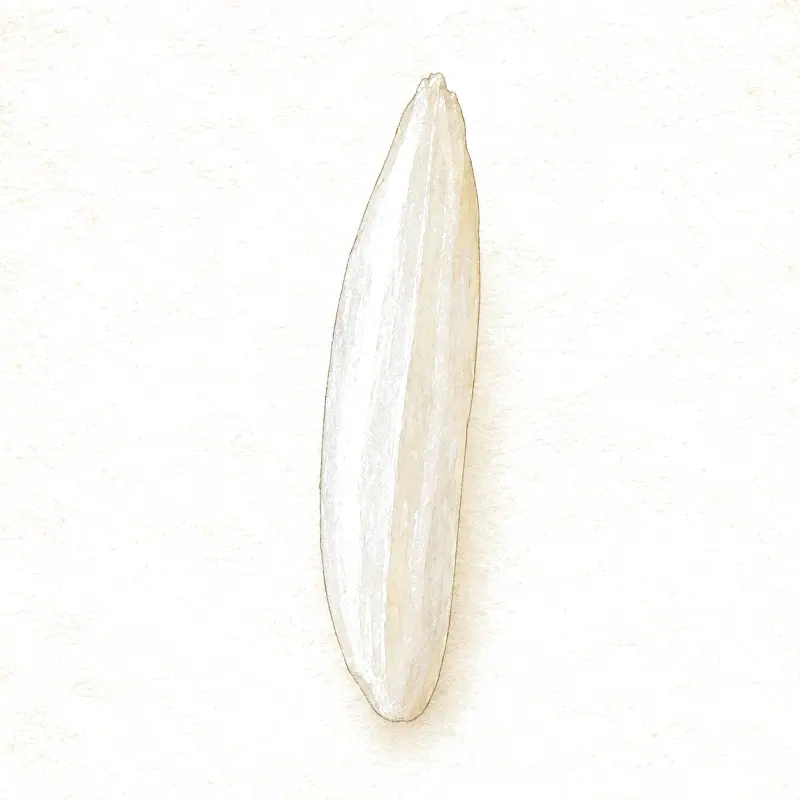
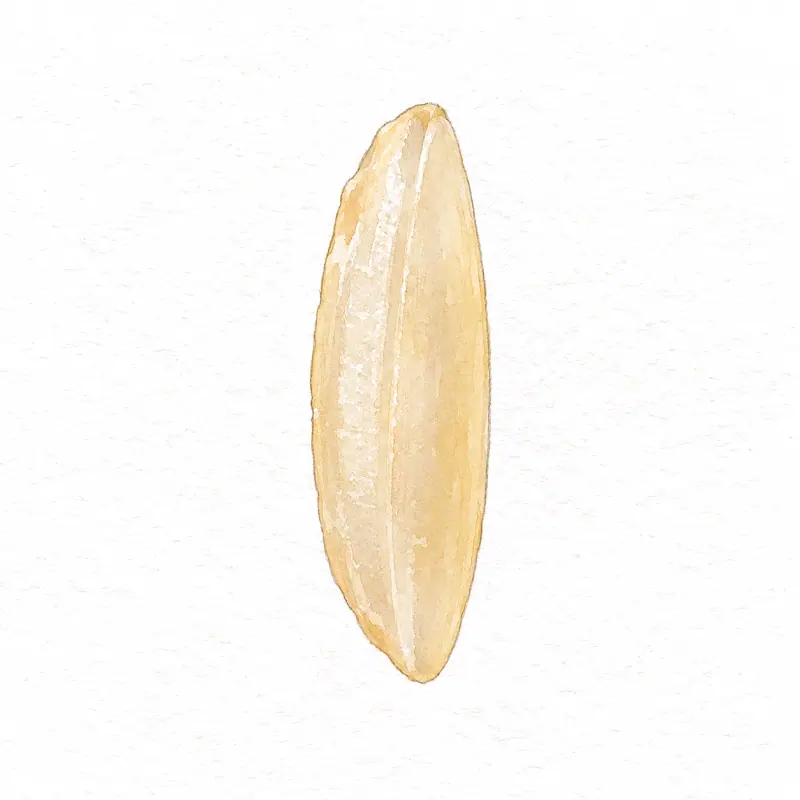
- Broken rice → Jasmine rice, as the source allows.
Common mistakes
- Under-salting the sauce before the rice goes in.
- Stirring hard once the rice is in: the grains break and turn mushy.
- Overcooking the vegetables: lift them out as soon as they are tender and keep them warm.
Storage & reheating
Cool within an hour (rice) and refrigerate fish and rice; eat within a day and reheat once, until steaming hot (UK FSA).
Safety
Contains fish (fish, fish sauce) and molluscs if sea snail is used. Stock cubes often contain celery: check the label. Habanero chillies are very hot; wash hands after handling. Hot oil: fry in batches and never leave the pan.
Allergens
Fish · Molluscs · Celery
Check labels: stock, bacon and sauces can contain further allergens.
Dietary
dairy-free
Rice and fish from Saint-Louis
Ceebu jën means "rice and fish" in Wolof. UNESCO inscribed "Ceebu jën, a culinary art of Senegal" on its Representative List of the Intangible Cultural Heritage of Humanity in 2021. The inscription says the dish originated in the fishing communities of the island of Saint-Louis and is typically made with fish steaks, broken rice, dried fish, molluscs and seasonal vegetables. The recipe is passed from mother to daughter, and in most families it is eaten with the hands from a shared bowl, held with the left hand, with no raised knee and no grain of rice dropped.
Aissatou Ba, who runs Tastes of Senegal in Melbourne, told Food Safari that it is eaten at least once a week and is a must at every celebration.
Everything cooks in the same sauce
The fish is stuffed with a green paste of parsley, garlic, chilli and capsicum, then fried. The same oil fries the nokkos, a red seasoning paste of onion, garlic and capsicum with fermented locust bean, before tomato paste and water make the sauce. The vegetables simmer in it, then the fish returns. The rice is steamed until half done and finished in the seasoned sauce, so it takes on its colour and flavour. Tamarind sauce, sharp and dark, is spooned over at the end.
How it connects
Place
- origin Saint-Louis, Senegal In preparation
Recipe
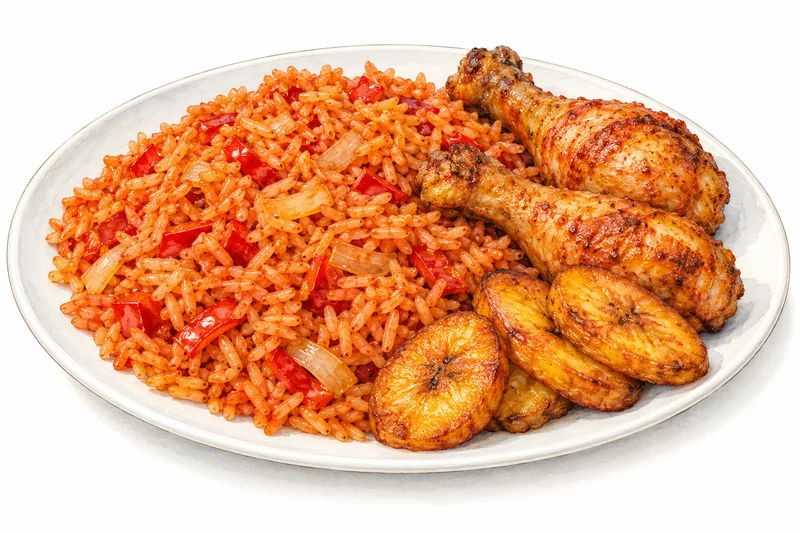
- related Jollof rice with chicken