
Explore the world · Recipe · Sweden · Reference page
Gravlax
gravad lax
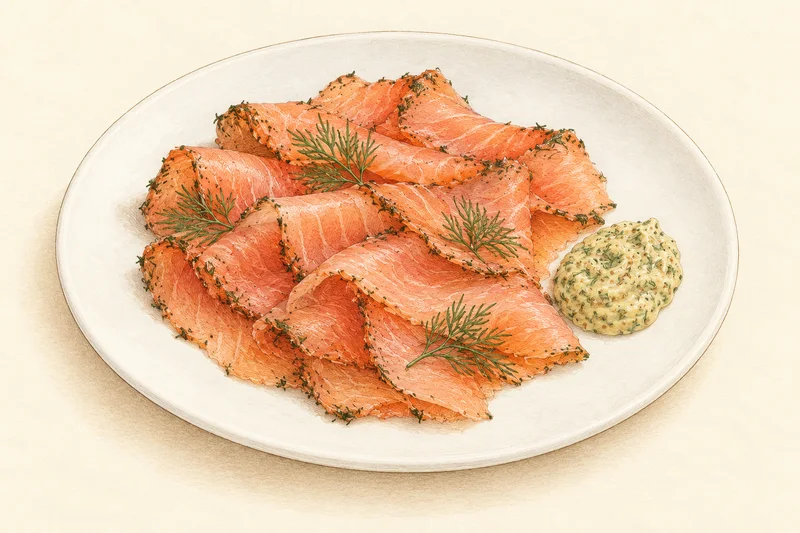
Salmon cured for two days under salt, sugar, white pepper and plenty of dill, then sliced thin and served with a sweet mustard and dill sauce. John Duxbury's Swedish recipe uses 75 g salt and 100 g sugar per kilo of fish. The fish is never cooked, so it must be frozen first unless it is very fresh.
- Servings
- 12
- Preparation
- 20 min
- Cooking
- 0 min
- Resting
- 48 h
- Total
- 48 h 20
- Difficulty
- Easy
Equipment
- Aluminium foil; a dish and a second dish or board to press the fish
- Weights (bottles of water or tins); long sharp knife
Ingredients
Cure
Mustard and dill sauce
Method
Rinse the salmon, pat dry and feel for pin bones; pull out any with tweezers.
Mix the salt, sugar and crushed pepper. Spread half over the skin side. Lay a third of the dill on a large sheet of foil and put the salmon on it, skin down.
Rub the rest of the cure into the flesh. Chop the remaining dill and cover the flesh with it. Wrap tightly in the foil.
Put the parcel in a dish, cover with a second dish and weigh it down. Refrigerate for 48 hours, turning it every 12 hours.
Why Salt draws water out and firms the flesh; the weight presses out liquid and gives a dense, sliceable texture. Duxbury suggests 24 hours for a milder, less salty result.
Timer · 48 h2880:00For the sauce, blend the mustard, sugar, vinegar, salt and pepper for 20 seconds, then add the oil in a thin stream with the motor running. Stir in the dill. It improves after a day.
Unwrap the salmon, discard the liquid and scrape off most of the dill. Slice thinly at a 45° angle, cutting each slice away from the skin. Serve with the sauce and rye bread.
Substitutions
- Swedish mustard → Dijon mustard, about 3 tbsp, with a little more sugar.
- Dill → No real substitute; some cooks add a splash of akvavit or vodka to the cure (NPR's Lynda Balslev does).
Common mistakes
- Using fish that has not been frozen or certified for raw use.
- Leaving the dill on when slicing: it tears the thin slices.
Storage & reheating
Wrapped and refrigerated, eat within a week. It freezes well for up to 2 months; part-thaw for about an hour before slicing. Do not freeze the sauce.
Safety
Cured salmon is raw. UK guidance (Food Standards Scotland) names gravlax among products that must be frozen before eating if the process does not kill parasites: at least –20 °C for 24 hours, or –35 °C for 15 hours; farmed salmon is considered low risk. Duxbury advises freezing for at least 24 hours unless the fish is really fresh, but home freezers may not reach –20 °C, so buy fish sold for raw use if unsure. The NHS advises pregnant women to eat cured fish only cooked until steaming hot (listeria).
Allergens
Fish · Mustard
Check labels: stock, bacon and sauces can contain further allergens.
Dietary
gluten-free · dairy-free
Salmon in a grave
The name means "buried salmon": grav is the grave, lax the salmon. Lynda Balslev, writing for NPR, repeats the common account that medieval fishermen salted salmon and let it ferment in a hole above the high-tide line. Today the fish is not fermented at all but cured in the fridge, where salt and sugar draw out water and form a brine.
John Duxbury, who writes about Swedish food, calls gravad lax one of Sweden's most famous dishes, served with mustard and dill sauce and often part of a smörgåsbord.
Salt, sugar, weight and time
Salt does the curing; sugar softens the salty edge and keeps the flesh supple; white pepper and dill flavour it. The weight on top presses out liquid so the salmon slices thinly without falling apart. Turning the parcel every 12 hours bastes both sides with the brine that forms.
How it connects
Place
- origin Sweden In preparation
Recipe
- related Janssons frestelse
Continue exploring
- CountrySweden3 entries in the atlas so far
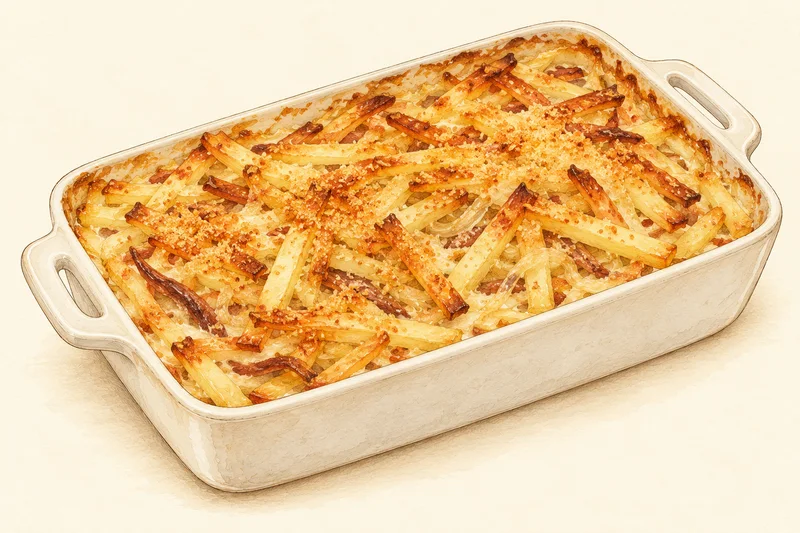 RecipeJanssons frestelseSweden
- StorySpices and salt: pepper, nutmeg and the taxed necessityIndonesia
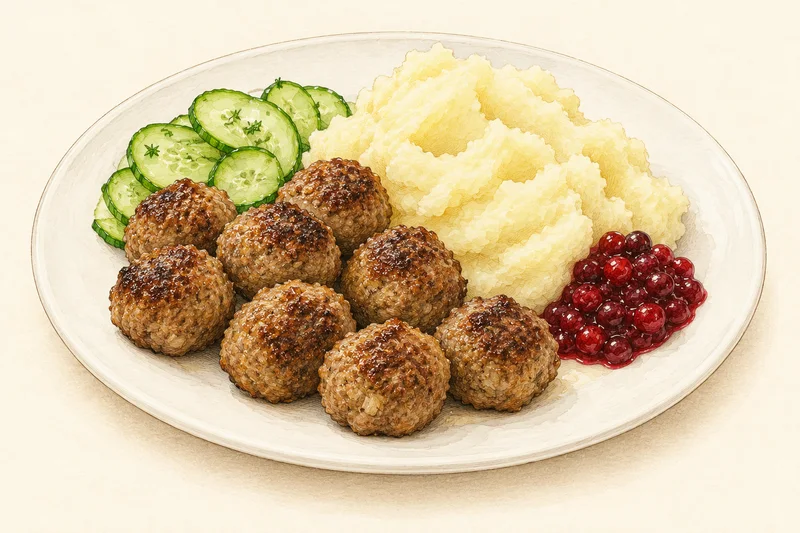 RecipeKöttbullarSweden
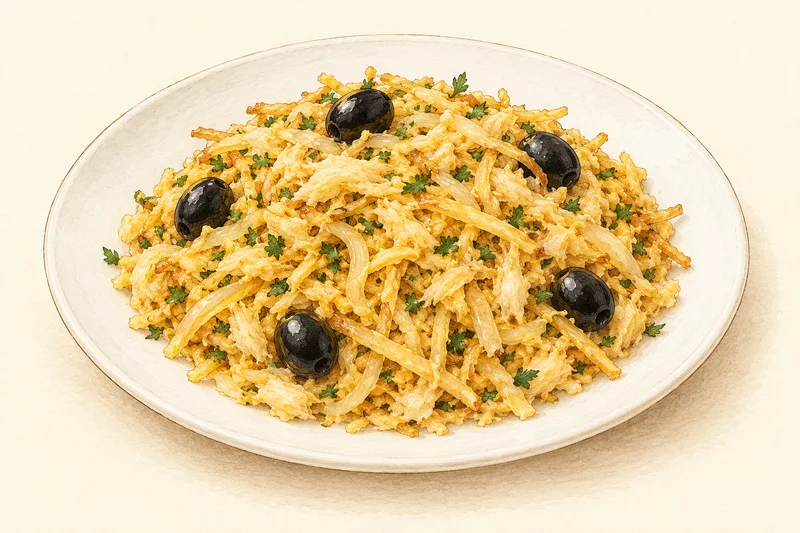 RecipeBacalhau à brásPortugal
 RecipeGoan fish curryGoa, India
 RecipeSpeculoosBelgium
- StoryCoffee: from Ethiopian forests to the world's cafésEthiopia
- StoryMeat and butchery: from the first herds to the packing houseUnited States of America
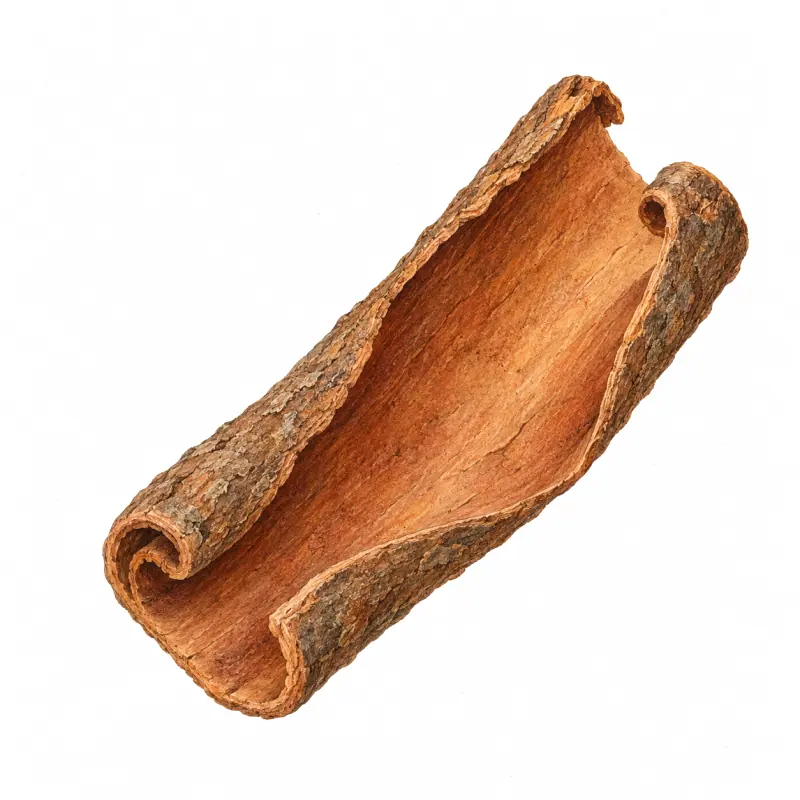 IngredientCassia barkCinnamomum cassia (bark), the species shown in the illustration; sources do not specify the species used by distillers