
Meat · Recipe · Castelnaudary · Reference page
Cassoulet
cassoulet de Castelnaudary
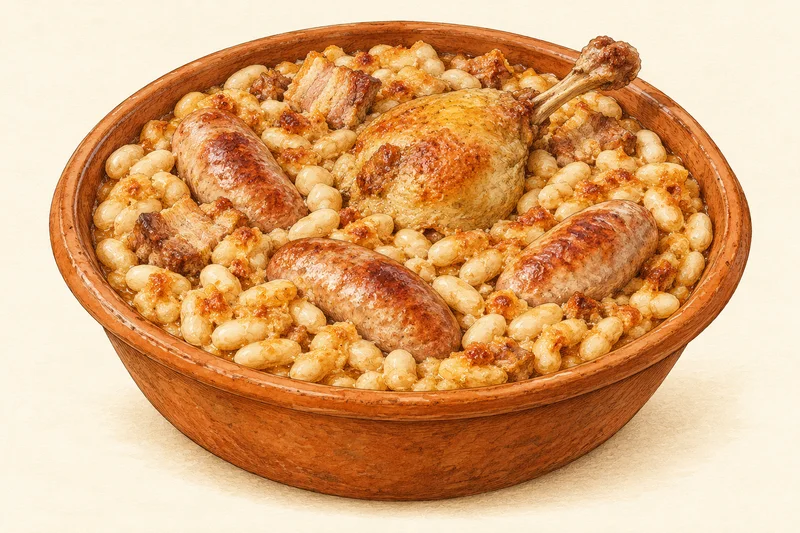
White lingot beans cooked in a broth of pork rind, then layered in an earthenware cassole with duck or goose confit, Toulouse sausage and pork, and baked slowly for two to three hours while the crust is pushed under again and again. The recipe is Castelnaudary's own, published by the Occitanie tourist board.
- Servings
- 4
- Preparation
- 30 min
- Cooking
- 4 h 30
- Resting
- 12 h
- Total
- 17 h
- Difficulty
- Involved
Equipment
- Earthenware cassole or deep ovenproof clay dish
- Large saucepan for the beans; second pan for the broth; sieve
- Large frying pan (sauteuse)
- Mortar or chopping board to pound the garlic and salt pork
Ingredients
Beans and broth
The meats
To finish
Method
The day before, soak the beans overnight in plenty of cold water.
Why Soaking shortens the cooking and helps the beans cook evenly without bursting.
Drain the beans, cover with 3 litres of fresh cold water, bring to the boil and boil for 5 minutes. Drain and set aside.
Timer · 5 min5:00Make the broth: 3 litres of water (soft water if possible), the rind strips, the carcass or bones and a little onion and carrot. Season generously and cook for 1 hour, then strain and keep the rind.
Timer · 1 h60:00Cook the beans in the strained broth at a boil until supple but still whole, about 1 hour.
Why Beans that break up now will turn to mush in the long bake.
Timer · 1 h60:00Meanwhile, warm the confit slowly in a large frying pan to release its fat, then lift it out. Brown the sausages in that fat, then the pork pieces until golden, and set all the meat aside.
Drain the beans and keep the broth hot. Pound the garlic with the salt pork and stir it into the beans.
Line the bottom of the cassole with pieces of rind. Add about a third of the beans, then the meats, then the rest of the beans. Push the sausages into the beans with their tops showing. Pour in hot broth just to cover, grind pepper over and add a tablespoon of the duck fat.
Bake for 2 to 3 hours. A golden-brown crust forms on top: push it down into the beans several times (the old rule says seven). When the top starts to dry, add a few spoons of broth.
Why Each crust that is pushed under thickens and flavours the beans, and a new one forms.
Timer · 2 h 30150:00Serve bubbling in the cassole, without stirring.
To drink & serve with
- Languedoc
Editorial suggestion: a robust red from the Languedoc.
Substitutions
- Lingot beans → Another dried white bean that holds its shape, such as coco or Tarbais; cooking time may change.
- Earthenware cassole → A deep clay or enamelled cast-iron oven dish.
Common mistakes
- Overcooking the beans in the broth: they collapse in the oven.
- Stirring the cassoulet in the dish: it turns to mash; serve it as it is.
- Letting the top dry out: add broth whenever it looks dry.
Storage & reheating
Better reheated. Cool quickly, refrigerate within 2 hours and eat within 2 days. Reheat once, in the oven, until bubbling.
Safety
No declarable allergens in the base recipe, but check the sausage labels for sulphites and other additives. Pork and sausages must be cooked right through; the long bake does this.
Allergens
None
Check labels: stock, bacon and sauces can contain further allergens.
Named after its dish
The Occitanie tourist board traces Castelnaudary's cassoulet to the Middle Ages and ties it to the town and the Languedoc around it. Its name comes from the pot: the deep earthenware dish once called cassolo, now cassole, in which it is baked and served.
The recipe it publishes, credited to Castelnaudary's tourist office, is precise about the parts. Lingot beans, preferably from the Lauragais, are soaked, blanched and then cooked in a broth made from pork rind and a poultry carcass or pork bones. The meats are duck or goose confit, pure-pork Toulouse sausage and pieces of pork, all browned in the confit fat. The beans are seasoned with garlic pounded with salt pork, and the dish bakes slowly for two to three hours.
Seven crusts
The skin that forms on top is the point of the long bake. It is pushed back into the beans again and again, "the elders said seven times", and broth is added whenever the surface starts to dry. A cassoulet is served bubbling in its cassole and is not stirred; it is just as good, the recipe says, reheated the next day.
How it connects
Place
- origin Castelnaudary In preparation
Wine region
- pairs with Languedoc
Continue exploring
- CountryFrance162 entries in the atlas so far
- Wine regionLanguedocNîmes, France
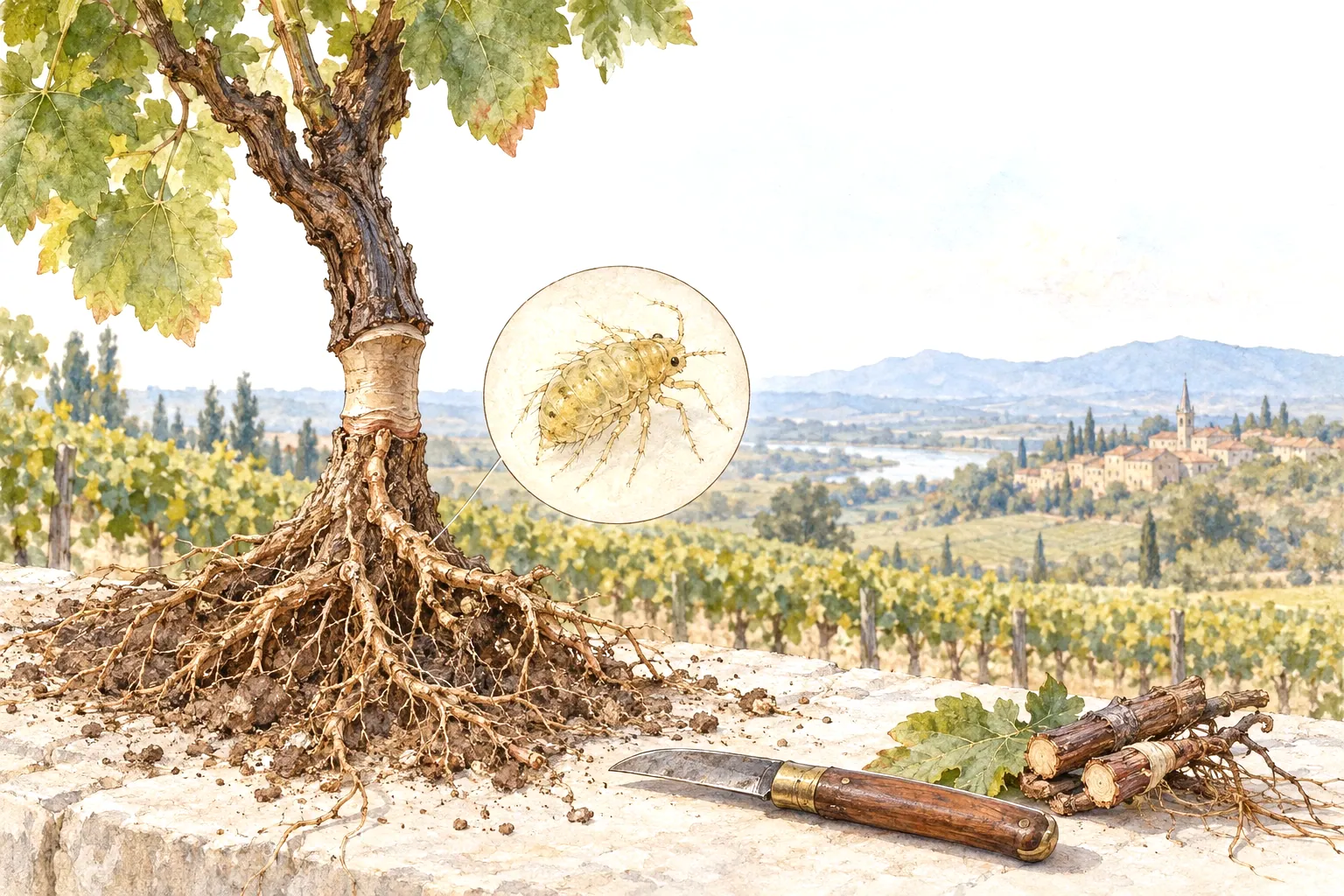 StoryPhylloxera: the insect that remade the vineyards of the worldFrance
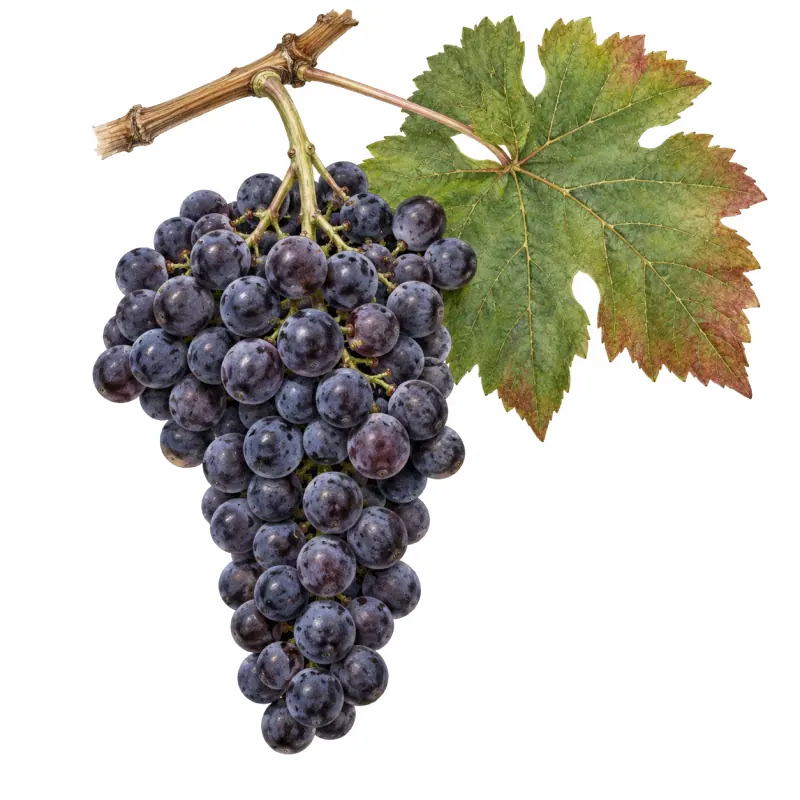 Grape varietyAlicante Bouschet
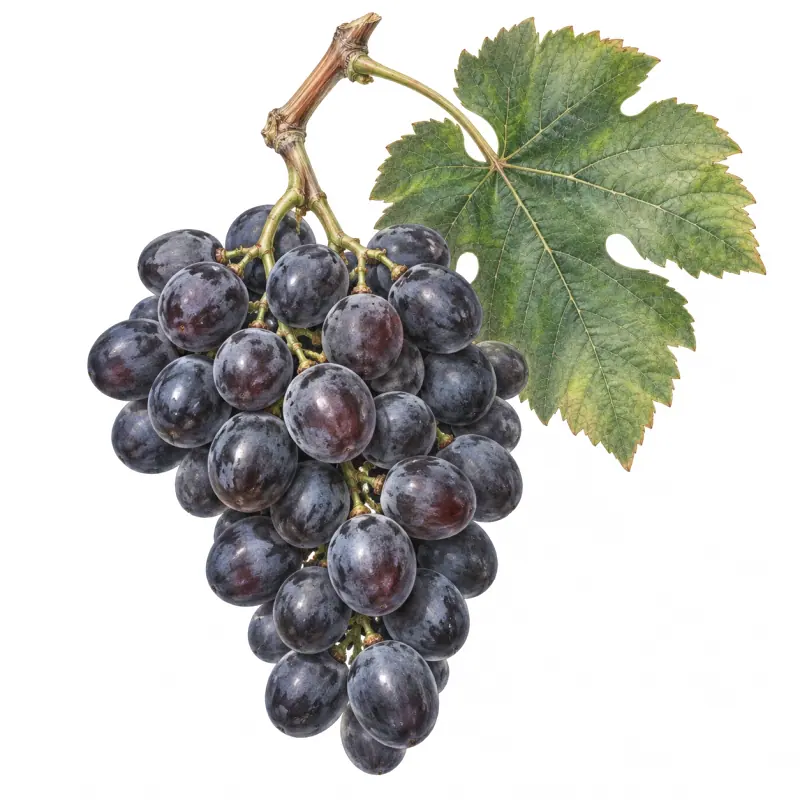 Grape varietyAramon
- Grape varietyBourboulencFrance
 Grape varietyCinsaut
- Grape varietyClairetteFrance
- Grape varietyGarnacha Tinta
- Grape varietyMarsanneFrance